




What's Happening?
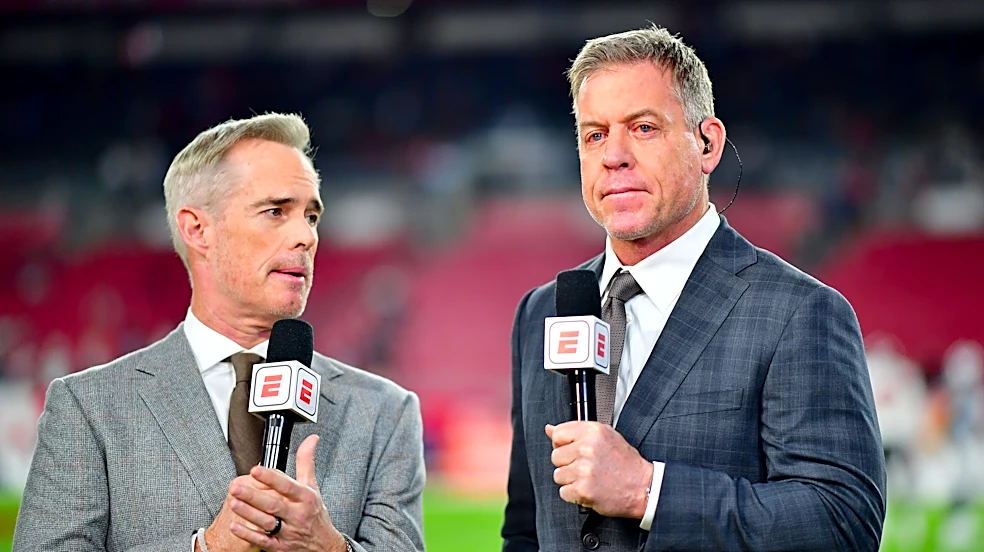
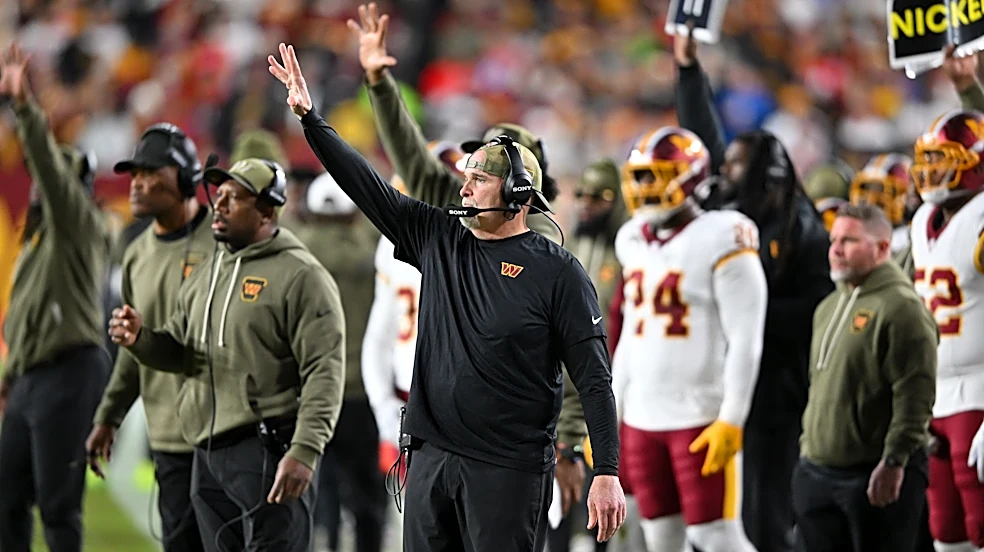
Former NFL quarterback and current commentator Troy Aikman has voiced strong criticism against the increasing reliance on analytics in football, stating that 'analytics is a good way to lose your job as a head coach.' Aikman's comments were made during
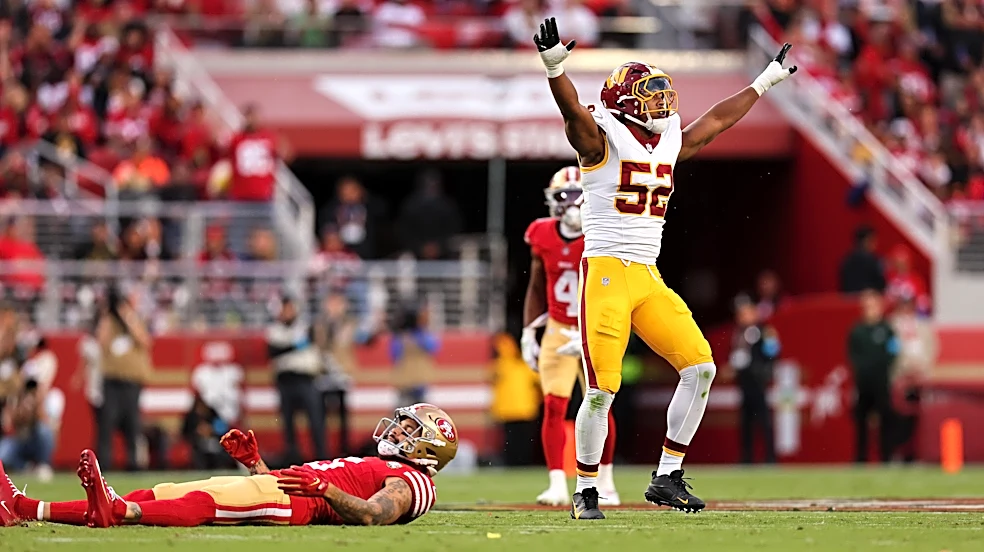
a broadcast of a game between the 49ers and the Commanders, specifically in response to a fourth-down decision by the Commanders early in the game. He expressed frustration with what he perceives as an overemphasis on data-driven decisions, suggesting that coaches should prioritize 'gut calls' and the flow of the game. Aikman's remarks highlight a growing divide in football philosophy between traditionalists who value instinct and experience, and those who embrace advanced statistical analysis to inform strategic choices.
Why It's Important?
Troy Aikman's outspoken criticism of analytics in football is significant because it comes from a highly respected figure with a Super Bowl-winning career, lending weight to the traditionalist viewpoint. His comments reflect a broader debate within the NFL and sports in general about the optimal balance between human intuition and data-driven strategies. For coaches, this debate directly impacts job security and decision-making, as adopting an analytics-heavy approach might be seen as progressive by some owners but as risky or even detrimental by others, including influential commentators like Aikman. This philosophical clash can affect team building, play-calling, and ultimately, game outcomes, influencing the careers of coaches and the performance of franchises. The ongoing tension between these two approaches shapes the strategic evolution of the sport and how it is perceived by fans and analysts alike.
What's Next?
The debate between traditional football wisdom and analytics is expected to continue, with figures like Troy Aikman likely to reiterate their views, especially when controversial in-game decisions occur. Coaches and general managers will continue to navigate this philosophical divide, attempting to find a balance that maximizes their team's chances of success while satisfying various stakeholders, including ownership, players, and the media. The NFL's strategic landscape will likely see further integration of analytics, but also a continued emphasis on the human element of coaching and player performance. Future game broadcasts may feature more discussions on specific analytical decisions, potentially leading to more nuanced conversations about their effectiveness and limitations. The ongoing dialogue will shape how teams approach strategy, player evaluation, and game management in the coming seasons.
Beyond the Headlines
Aikman's critique of analytics extends beyond mere football strategy; it touches upon a broader cultural tension between established expertise and disruptive innovation. In many fields, the introduction of data science has challenged long-held practices, often leading to resistance from those who built their careers on traditional methods. In football, this manifests as a clash between the 'eye test' and the 'numbers game.' The 'nerds in football' comment, as referenced in the source, highlights a perceived intellectual divide, where those who champion analytics are sometimes seen as detached from the visceral reality of the game. This dynamic can create friction within organizations and among fans, influencing how coaching decisions are judged and how the sport evolves. Ultimately, the most successful teams may be those that can effectively synthesize both approaches, leveraging data to inform, but not entirely dictate, the experienced judgment of their coaching staff.