




What's Happening?
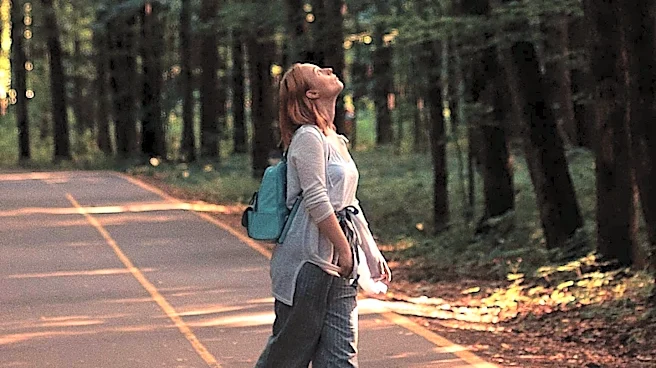
Mindful walking is presented as a short, body-centered meditation technique designed to reduce stress and improve focus. This practice involves walking slowly and deliberately, paying close attention to each step, breaking it down into lifting, moving,
and placing the foot. It can be performed in short sessions of 5 to 10 minutes, either indoors or outdoors, and does not require special equipment or clothing. The technique is particularly beneficial for individuals who find seated meditation challenging or have limited time. A randomized controlled trial indicated that a four-week mindful walking program led to a significant reduction in perceived stress, with an average decrease of 8.8 points on the Cohen’s Perceived Stress Scale. The practice emphasizes present-moment attention, non-judgment, and consistent, brief repetition, using the sensation of footfall as an anchor for attention. When the mind wanders, practitioners are encouraged to quietly acknowledge the distraction and gently redirect their focus back to the walking sequence.
Why It's Important?
This practice offers a practical and accessible method for stress management and cognitive enhancement, which is particularly relevant in today's fast-paced U.S. society. The ability to integrate mindfulness into daily routines without significant time commitment or specialized resources makes it a valuable tool for a broad demographic, including busy professionals and those new to meditation. The documented reduction in perceived stress can lead to improved mental well-being, potentially decreasing the prevalence of stress-related health issues and enhancing overall productivity. By sharpening attention and grounding individuals physically, mindful walking can counteract the effects of constant digital stimulation and multitasking, fostering greater clarity and emotional balance. Its adaptability to various settings, from a hallway to a sidewalk, ensures that it can be adopted by individuals across different lifestyles and environments, contributing to a more mindful and less stressed populace.
What's Next?
Individuals interested in adopting mindful walking can begin by choosing a short, straight path of 10 to 20 steps and setting a timer for 5 or 10 minutes. The practice involves standing still for a few breaths, then walking slowly, silently noting the 'lifting, moving, placing' of each foot. When reaching the end of the path, a slow and deliberate turn is part of the practice before walking back. Consistency is key, with daily practice being more beneficial than infrequent, longer sessions. Progress can be observed through increased session duration and a quicker return of attention after wandering. While no specific products are required, tools like short journals can help track progress and patterns of attention. The practice can be adapted for formal, focused sessions or integrated informally into daily activities like walking to a store or between meetings. Wheelchair users can also adapt the practice by focusing on handrim pressure and the rhythm of the chair's movement.
Beyond the Headlines
The widespread adoption of mindful walking could signify a broader cultural shift towards integrating accessible wellness practices into daily life, moving beyond traditional meditation settings. This approach democratizes mindfulness, making it less intimidating and more attainable for the general public. The emphasis on physical sensation as an anchor for attention highlights the interconnectedness of mind and body, reinforcing the idea that physical activity can be a powerful tool for mental well-being. Furthermore, the practice's ability to interrupt stress without external aids challenges the consumer-driven wellness industry, promoting self-reliance and intrinsic coping mechanisms. This could lead to a re-evaluation of how stress is managed in workplaces and educational institutions, potentially fostering environments that encourage short, mindful breaks to enhance focus and reduce burnout. The subtle nature of progress in mindful walking also encourages patience and self-compassion, valuable traits in a society often focused on immediate and dramatic results.