







What's Happening?
The Tom Dupree Show, featuring Tom Dupree, James Dupree, Michael Dawahare, and Mike Johnson of Dupree Financial Group, recently discussed the implications of the 2026 midterm elections and the performance of AI stocks on retirement income. The conversation
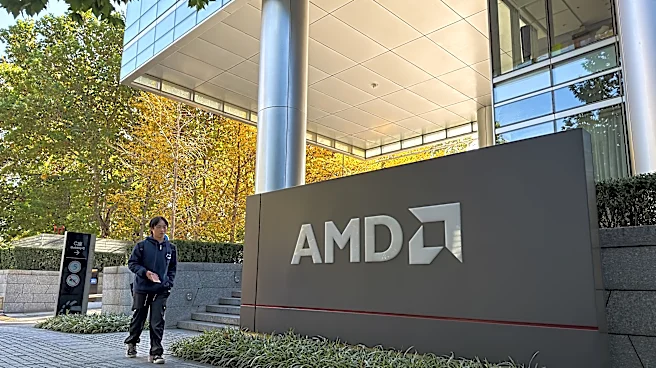
highlighted the unexpected outcomes of the elections and their potential effects on various sectors, particularly technology. James Dupree noted that a congresswoman from Arizona tweeted about pausing advanced AI development and regulating the industry, which immediately impacted AI infrastructure stocks. For instance, AMD, despite reporting strong earnings, saw its stock drop after initial gains following these political statements. The discussion also touched upon the broader market's reaction to financial statements from major AI companies like OpenAI and Anthropic, which have experienced significant valuation adjustments and stock volatility, independent of election results. The panel emphasized that while political shifts and market fluctuations are inevitable, a focus on stable, income-generating investments remains crucial for retirement planning.
Why It's Important?
This discussion is important for U.S. investors and retirees as it underscores the interconnectedness of political events, technological advancements, and personal financial stability. The volatility in AI stocks, partly triggered by political rhetoric, demonstrates how quickly market sentiment can shift and impact investment portfolios. For individuals relying on retirement income, understanding these dynamics is critical. The panel's emphasis on dividend-paying stocks and a long-term investment strategy provides a counter-narrative to the short-term market fluctuations. The potential for new regulations on AI, as suggested by political figures, could significantly alter the growth trajectory of a sector that has been a major market driver. This highlights the need for investors to be informed about policy changes and their potential ripple effects on their holdings, especially in rapidly evolving industries like artificial intelligence. The conversation also implicitly warns against overly speculative investments, advocating for a more measured approach to wealth preservation and growth.
What's Next?
Looking ahead, the financial landscape will likely continue to be shaped by the interplay of political decisions and technological developments. The potential for increased regulation on AI, as indicated by some political figures, could lead to further volatility or a re-evaluation of AI-related investments. Investors will need to monitor legislative actions closely, particularly those affecting the technology sector. Dupree Financial Group suggests that while market volatility is expected, especially after significant political events, a disciplined investment approach focused on income-generating assets can help mitigate risks. The firm anticipates that the market will eventually digest current uncertainties, and opportunities may arise for those with a long-term perspective. The ongoing debate about AI's future and its regulation will be a key factor influencing market performance and investment strategies in the coming months and years.
Beyond the Headlines
Beyond the immediate market reactions, the discussion touches upon deeper implications regarding the role of government in regulating emerging technologies and the resilience of investment strategies in the face of political and economic shifts. The call for a 'pause on advanced AI development' raises ethical and societal questions about control over technological progress and its potential impact on employment, privacy, and national security. For investors, this highlights the importance of diversification and not placing excessive reliance on any single sector, no matter how promising. The emphasis on fiduciary responsibility and transparent reporting by financial advisors, as championed by Dupree Financial Group, points to a growing need for trust and clear communication in financial planning, especially during periods of uncertainty. This broader context suggests a shift towards more cautious and value-driven investment philosophies, prioritizing long-term stability over speculative gains in an increasingly unpredictable world.