






What's Happening?
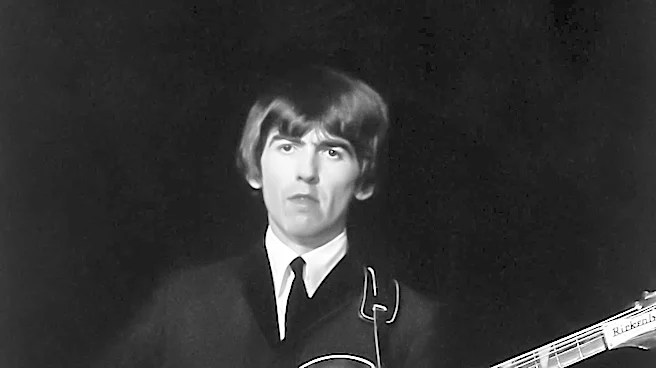
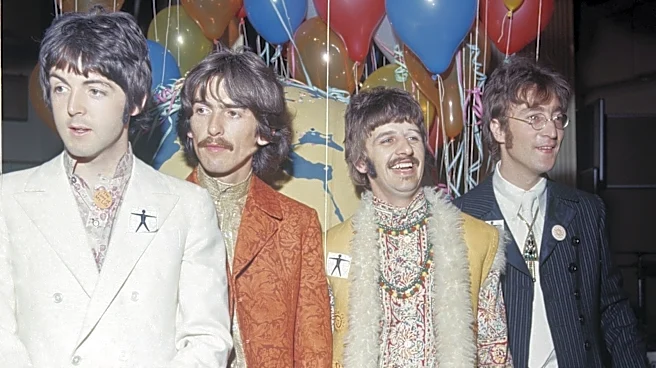
Todd Rundgren, a prominent musician, has publicly shared his disillusionment regarding his personal encounters with members of The Beatles. Rundgren, who grew up admiring the band, found that meeting John Lennon, Paul McCartney, and George Harrison diminished
his perception of them. He described Paul McCartney as "unusually dour" and John Lennon as "totally drunk and inanimate." His brief meeting with George Harrison occurred while producing a Badfinger album. Rundgren noted that these interactions shattered the mythos he had built around his former heroes, leading him to view their music and memory with less enthusiasm. He expected a "cleverness and a happy-go-lucky demeanour" based on their public image, which he did not find in person. The only Beatle he spoke positively about was Ringo Starr, whom he found to be approachable and seemingly unaffected by the pressures of fame, enjoying music for fun rather than as a burden.
Why It's Important?
This perspective from Todd Rundgren offers a unique and critical insight into the human aspect behind the iconic figures of The Beatles, challenging the often-mythologized image of the band. For fans and music historians, it provides a rare glimpse into the personal realities of these legends, suggesting that the public persona can significantly differ from private individuals, especially under the immense pressure of unprecedented fame. Rundgren's experience highlights the potential for disappointment when the reality of meeting idols clashes with idealized expectations. This narrative contributes to a broader understanding of celebrity culture and the psychological impact of fame on artists, demonstrating how the weight of public projection can affect personal demeanor and interactions. It also underscores the enduring power of The Beatles' musical legacy, which, despite Rundgren's personal let-downs, continues to grow and influence generations.
What's Next?
While Todd Rundgren's comments are retrospective, they contribute to the ongoing discourse surrounding The Beatles' legacy and the human element of their fame. Such revelations often spark renewed interest in biographical accounts, documentaries, and analyses of the band members' lives beyond their musical achievements. Future biographical works or critical essays about The Beatles may incorporate Rundgren's perspective, offering a more nuanced portrayal of the individuals behind the global phenomenon. This could lead to further discussions among fans and critics about the nature of celebrity, the impact of public image, and the personal struggles faced by artists of such immense stature. The enduring fascination with The Beatles ensures that any new personal insights, even decades later, will continue to be scrutinized and debated, potentially influencing how their story is told in future media.
Beyond the Headlines
Rundgren's account delves into the deeper psychological and cultural implications of idolization. It illustrates the inherent tension between the public's need to project hopes and dreams onto cultural icons and the often-uncomfortable reality of those icons as complex, flawed individuals. This phenomenon is not unique to The Beatles but is a recurring theme in celebrity culture, where the 'mythos' often overshadows the 'man.' The expectation of perpetual happiness and charm, as Rundgren noted, is an unsustainable burden for anyone, let alone those navigating unprecedented global fame. His observations implicitly raise questions about the ethics of public consumption of celebrity and the psychological toll it takes on individuals. It also highlights how different personalities cope with fame, contrasting Ringo's apparent resilience with the perceived dourness of McCartney and Lennon's struggles, suggesting varying coping mechanisms for the immense pressures of being a Beatle.