



What's Happening?
Post-Soviet sportswear, characterized by tracksuits, oversized windbreakers, and technical trainers, has undergone a significant cultural transformation. Originating as state-sponsored athletic wear in the Soviet Union, these garments were initially associated
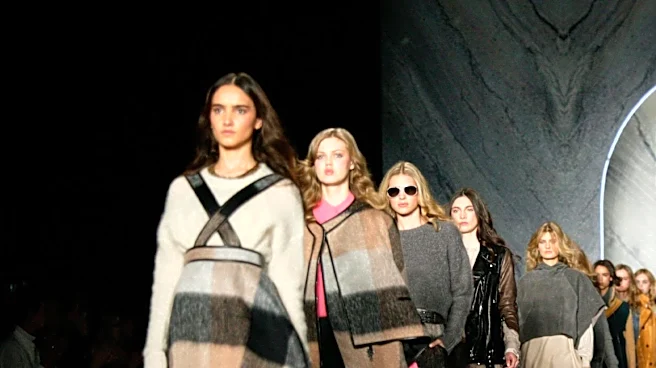
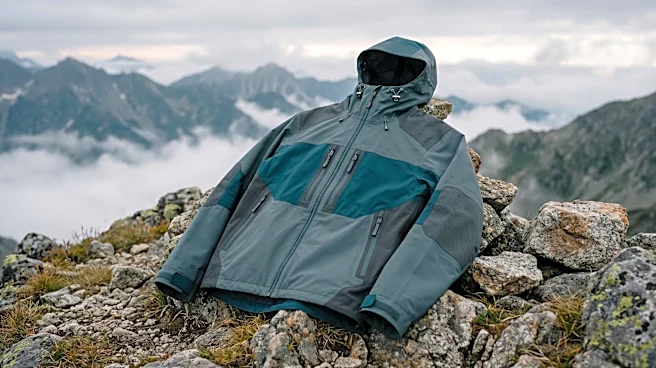
with collective identity, sporting ambition, and practical everyday use. Following the dissolution of the Soviet Union, their meaning shifted dramatically. They became prevalent in informal markets and youth subcultures, eventually influencing international fashion. This evolution highlights how historical memory and everyday necessity can be reinterpreted into sophisticated cultural expressions. The aesthetic is defined by athletic proportions, synthetic textures, graphic contrasts, and a blend of utilitarian construction with expressive styling. Key design elements include relaxed silhouettes, polyester or nylon fabrics, side stripes, color blocking, and a palette of saturated colors like red, cobalt, and emerald.
Why It's Important?
The journey of post-Soviet sportswear into international high fashion reflects a broader trend in the fashion industry: the increasing interest in street culture and the reinterpretation of everyday uniforms. This aesthetic challenges traditional distinctions between refinement and informality, offering an alternative to conventional formal dressing. For designers, it provides a rich visual vocabulary that can evoke nostalgia, irony, or a fascination with subcultures. The cultural specificity of this style, rooted in a unique historical experience, gives it depth beyond mere athletic clothing. It demonstrates how garments can acquire significant cultural value regardless of their initial cost, and how their associations can change dramatically across generations. This phenomenon also underscores the power of clothing to preserve visual traces of societal transitions and economic upheaval.
What's Next?
The influence of post-Soviet sportswear is expected to continue in contemporary fashion, with designers and consumers integrating its elements into modern wardrobes. The trend emphasizes intentional referencing rather than theatrical recreation, suggesting a future where individual vintage-inspired pieces or carefully chosen contemporary interpretations will be key. The focus will likely remain on the interplay between historical character and present-day functionality, with both authentic vintage items and modern technical garments finding their place. This ongoing reinterpretation will further solidify the aesthetic's role as a distinctive combination of historical memory, practical design, and adaptable visual codes, ensuring its continued relevance in the global fashion landscape.
Beyond the Headlines
The rise of post-Soviet sportswear in high fashion raises questions about cultural appropriation versus thoughtful interpretation. While some designers genuinely acknowledge the social context that produced the aesthetic, others may reduce it to exaggerated stereotypes. This dynamic highlights the ethical considerations in fashion, particularly when drawing inspiration from specific cultural histories. The phenomenon also illustrates how global economic and political shifts can profoundly impact cultural expressions, turning symbols of one era into fashion statements of another. It underscores the idea that fashion is not merely about clothing but also a powerful medium for storytelling, reflecting societal changes, youth movements, and the complex relationship between identity and consumer culture.