







What's Happening?
The market for home fragrance rituals is increasingly focusing on the purity and quality of essential oils and fragrance oils. Consumers are seeking products that are 100% pure and safe for daily self-care practices, moving beyond marketing jargon to
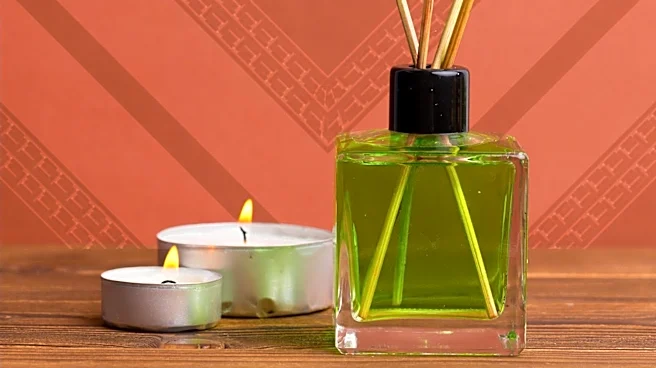
understand the integrity of ingredients. Essential oils, derived naturally from plants, are valued for their functional benefits and complex chemical profiles, making them ideal for diffusers and topical applications. In contrast, fragrance oils, which are lab-created aromatic compounds, are preferred for applications like candle making and large-scale home scenting due to their heat stability and cost-effectiveness. Brands like Rituals and The Ritual of Ayurveda are offering various fragrance sticks and diffusers to meet this demand, aiming to provide consistent and pleasant scents that enhance overall wellness. The emphasis is on creating a restorative sanctuary at home through carefully selected aromatic products.
Why It's Important?
This trend signifies a broader shift in consumer behavior towards holistic wellness and intentional self-care within the home environment. The demand for transparent sourcing and verifiable purity in essential oils, often confirmed through methods like Gas Chromatography/Mass Spectrometry (GC/MS) testing, indicates a more informed and discerning consumer base. This impacts the U.S. market by pushing manufacturers and retailers to prioritize ingredient quality, safety documentation (like Material Safety Data Sheets and IFRA certificates), and ethical sourcing. Companies that can demonstrate genuine purity and provide detailed product information are likely to gain a competitive edge. Conversely, brands relying solely on marketing claims without scientific backing may lose consumer trust. The rise of 'micro-spa rituals' using products like shower steamers, which incorporate essential oils for stress relief and mood support, further illustrates the integration of aromatherapy into daily routines, creating new market opportunities for wellness product providers.
What's Next?
The industry is expected to see continued innovation in product development, with a focus on sustainable and ethically sourced ingredients. There will likely be an increase in educational initiatives from reputable brands to inform consumers about the differences between essential and fragrance oils, safe usage practices, and the importance of third-party testing for purity. Retailers may expand their offerings of home fragrance products that cater to specific wellness goals, such as sleep enhancement, stress reduction, or energy boosting. Furthermore, the integration of aromatherapy into other self-care categories, such as bath and body products, will likely grow. Consumers can anticipate more personalized and customizable fragrance options, allowing them to tailor their home environments to their individual needs and preferences, further solidifying the role of home fragrance in daily wellness routines.
Beyond the Headlines
The growing emphasis on purity and quality in home fragrance rituals reflects a deeper cultural shift towards mindful consumption and a desire for authentic, natural experiences. This movement extends beyond mere scent to encompass the psychological and physiological impacts of aromas on well-being. The distinction between natural essential oils and synthetic fragrance oils highlights an ethical dimension, as consumers increasingly seek products that align with their values regarding environmental impact and personal health. This trend could lead to a re-evaluation of industry standards and a greater demand for regulatory oversight to ensure product claims are accurate and transparent. Ultimately, it underscores a collective aspiration to transform living spaces into havens of tranquility and health, using scent as a powerful tool for emotional and physical balance.