



What's Happening?
Catherine Zeta-Jones, the Oscar-winning actor, has publicly cautioned fellow performers against entering into deals that license their likenesses for artificial intelligence (AI) use. She expressed a strong preference for 'real people' on stage and screen,
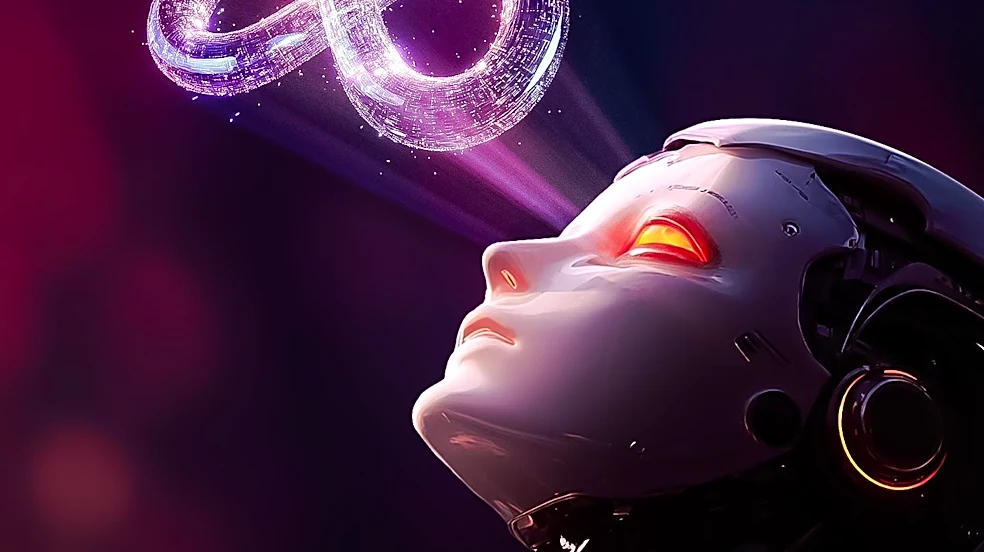
arguing that the authentic human element is crucial to the pleasure of film and theater. Zeta-Jones believes that encountering a character without preconceptions, free from celebrity culture or synthetic substitutes, allows for a more genuine audience experience. While acknowledging that licensing their likenesses is a personal choice for other performers, she emphasized her own desire to be transported by a role rather than distracted by AI-generated or digitally replicated faces. Her comments come at a time of increasing industry and regulatory scrutiny regarding AI's role in entertainment, with ongoing debates among studios, unions, and lawmakers about the implications for creative authenticity, job security, and compensation.
Why It's Important?
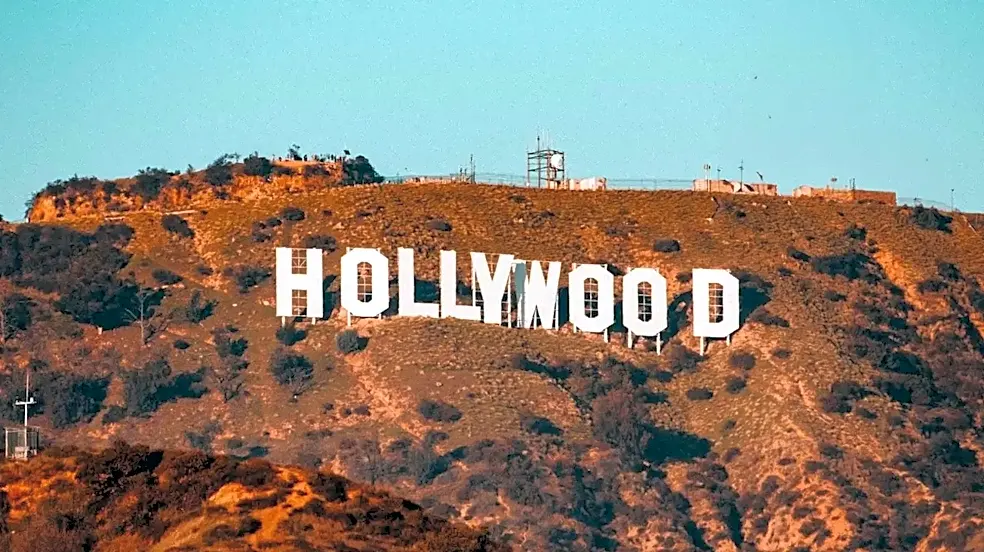
Zeta-Jones's stance highlights a growing tension within the entertainment industry concerning the rapid advancement and adoption of AI technologies. Her advocacy for human performers underscores concerns about the potential displacement of actors and the erosion of creative authenticity. If AI likeness deals become widespread, it could significantly alter the landscape of acting, potentially reducing opportunities for human talent and changing how audiences connect with characters. This debate extends beyond individual actors to broader questions of labor rights, intellectual property, and fair compensation in an AI-driven future. The industry is grappling with how to establish ethical guidelines and regulatory frameworks to manage digital replicas of actors, ensuring that human creators are credited and compensated appropriately, and that jobs are not entirely erased by synthetic alternatives. The outcome of these discussions will have profound implications for the future of artistic expression and employment in Hollywood and beyond.
What's Next?
The entertainment industry is expected to continue its intensive discussions and negotiations regarding AI's role, particularly concerning digital replicas and likeness rights. Studios, unions, and legislative bodies will likely work towards establishing clearer contractual agreements, updated copyright laws, and technical standards for AI model training and deployment. California's recent executive order to accelerate oversight of frontier AI models indicates a growing state-level urgency to implement safeguards, which could influence federal policy. However, a mixed response at the federal level, with some political leaders downplaying risks, suggests a fragmented policy environment may emerge as technology evolves. For audiences, the ongoing debate will shape whether future film and television experiences continue to feature the work of living actors or increasingly rely on engineered performances. For industry workers, securing rights, fair pay, and protections against unauthorized digital replication will remain a primary focus.
Beyond the Headlines
The implications of AI in entertainment extend beyond immediate job concerns, touching upon deeper ethical and cultural dimensions. Zeta-Jones's preference for 'unfamiliar, living performers' speaks to a fundamental human desire for authentic connection and the unique, often unpredictable, qualities that human performance brings to storytelling. The rise of AI likenesses challenges the very definition of performance and artistry, raising questions about what constitutes 'original' creative work and the value placed on human imperfection and spontaneity. Furthermore, the debate about AI's unchecked development carries broader societal warnings, with experts flagging potential catastrophic consequences if controls fail. This highlights a critical need for comprehensive regulatory oversight that considers not only economic impacts but also the long-term ethical implications for human creativity, labor, and the potential for misuse of advanced AI models across various sectors.