


What's Happening?
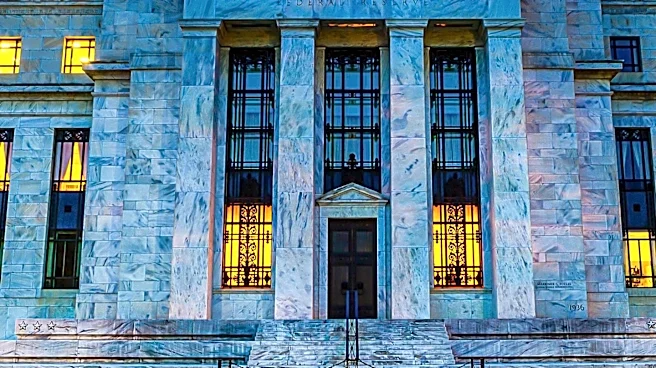
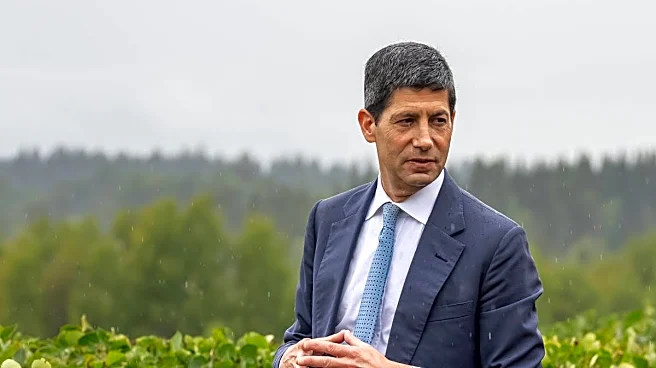
Federal Reserve Chairman Kevin Warsh delivered a hawkish keynote address at the Jackson Hole Economic Policy Symposium, indicating that the central bank's fight against inflation is far from over. Warsh emphasized that inflation remains above the Fed's
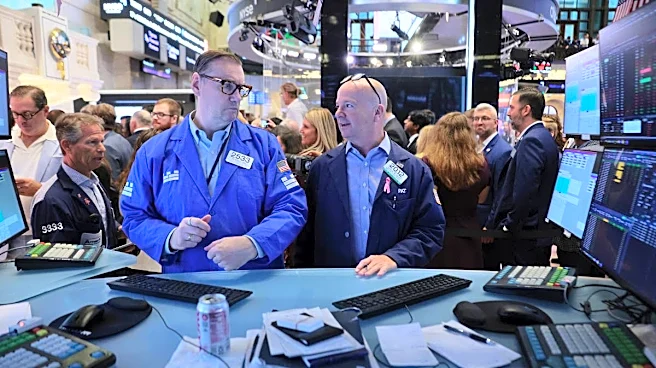
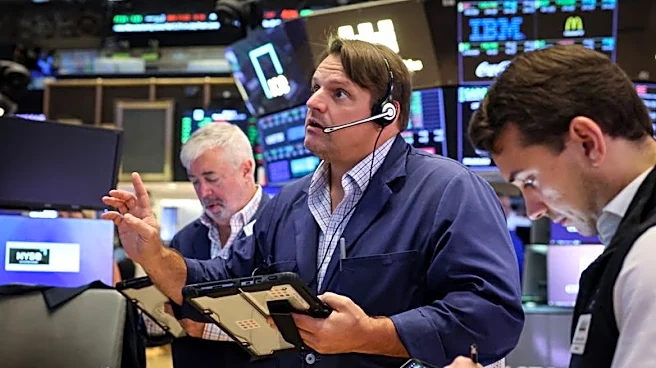
2% target and that underlying inflation trends have not significantly improved, suggesting that the Fed still has 'work to do.' His comments led to a modest decline in all three major U.S. stock indexes, as investors had hoped for hints of an interest rate cut or a softer stance on inflation. Instead, Warsh's focus on maintaining the 2% inflation target and implications that financial conditions might not be restrictive enough pushed Treasury yields higher. Traders subsequently priced in a nearly 61% probability of an interest rate hike at the upcoming September FOMC meeting. This marks a shift in perception for the stock market, which will now need to contend with the prospect of higher rates.
Why It's Important?
The hawkish stance adopted by Fed Chairman Kevin Warsh is significant because it directly impacts market expectations for future interest rate policy. Higher interest rates generally increase borrowing costs for businesses and consumers, which can slow economic growth and reduce corporate profits. This creates a 'sentiment headwind' for stocks, as noted by Citigroup U.S. equity strategist Scott Chronert, potentially leading to lower valuation multiples for companies. For everyday Americans, higher rates translate to more expensive mortgages, car loans, and credit card debt, making it harder to manage household budgets, especially with persistent inflation. The Fed's commitment to its 2% inflation target, even at the risk of higher rates, underscores its priority in achieving price stability, which could have long-term implications for economic planning and investment strategies across various sectors.
What's Next?
Following Chairman Warsh's remarks, markets are now anticipating a higher probability of an interest rate hike at the upcoming September FOMC meeting. Investors will closely monitor economic data, particularly inflation figures and labor market trends, for further clues on the Fed's next moves. The Federal Reserve's task forces, established to reevaluate how inflation is measured, may also influence future policy decisions, although Warsh indicated that policymakers would not wait for their recommendations before acting. Businesses and consumers should prepare for a continued environment of potentially higher borrowing costs. The focus will remain on whether underlying inflation trends show meaningful improvement, which Warsh has stated is necessary for any shift in the Fed's hawkish posture. The ongoing debate within the Fed regarding inflation measurement and policy tools will also be a key area to watch.
Beyond the Headlines
The current situation highlights a deeper tension between the Federal Reserve's mandate for price stability and the market's desire for accommodative monetary policy. Chairman Warsh's firm stance on the 2% inflation target, despite pressure for rate cuts, underscores the central bank's independence and its commitment to long-term economic health over short-term market boosts. This approach could lead to a re-evaluation of risk and return expectations across financial markets, potentially shifting investment away from speculative assets towards more stable, yield-bearing instruments. Furthermore, the emphasis on 'underlying inflation' suggests a nuanced approach to economic data, moving beyond headline figures to assess persistent price pressures. This could influence how businesses make pricing decisions and how consumers manage their debt, fostering a more disciplined financial environment in the face of sustained inflation.