






What's Happening?
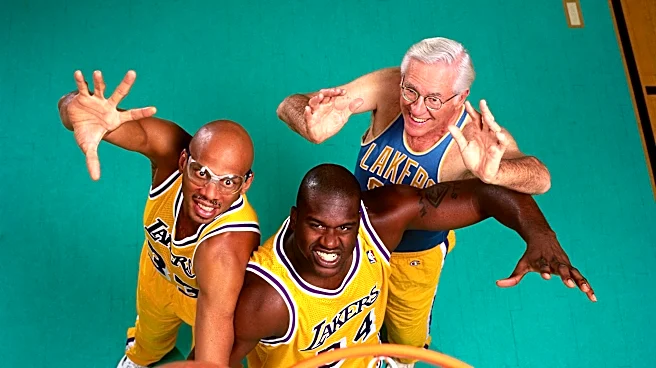
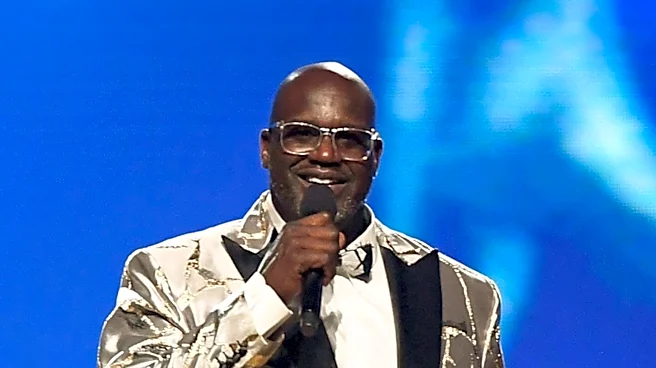
Shaquille O'Neal, the former NBA star and Los Angeles Lakers legend, has expressed his disdain for celebrity culture, stating that he considers himself a 'regular person' rather than a celebrity. In an interview, O'Neal described celebrities as 'weird,
rude, and obnoxious,' distancing himself from the label despite his fame. Beyond his sports career, O'Neal has ventured into various fields, including music and television. His latest project is a true crime series titled 'Game Day Murders,' which he is executive producing. The series focuses on crimes within the sports world, aiming to honor the victims' legacies without sensationalizing their stories. O'Neal emphasizes the importance of respect in storytelling and aims to show how communities can unite during challenging times.
Why It's Important?
Shaquille O'Neal's comments on celebrity culture highlight a broader critique of the entertainment industry, where public figures often face scrutiny and are expected to maintain a certain image. His perspective as a high-profile athlete who rejects the celebrity label may resonate with audiences who are disillusioned with celebrity culture. Additionally, O'Neal's involvement in a true crime series reflects the growing popularity of the genre, which captivates audiences with its real-life drama and mystery. By focusing on sports-related crimes, the series could attract both sports fans and true crime enthusiasts, potentially influencing how sports narratives are portrayed in media. This project also underscores the intersection of sports and societal issues, offering a platform to discuss broader themes of justice and community resilience.
What's Next?
As 'Game Day Murders' premieres, it will be interesting to see how audiences respond to the series and its approach to sensitive topics. The show's reception could influence future projects that blend sports and true crime, potentially leading to more content that explores the darker side of sports culture. Additionally, O'Neal's critique of celebrity culture may spark discussions about the pressures faced by public figures and the authenticity of celebrity personas. This could lead to a broader conversation about the role of celebrities in society and how they are perceived by the public. O'Neal's continued involvement in media projects suggests that he will remain a prominent figure in both sports and entertainment, potentially using his platform to address other societal issues.