






What's Happening?
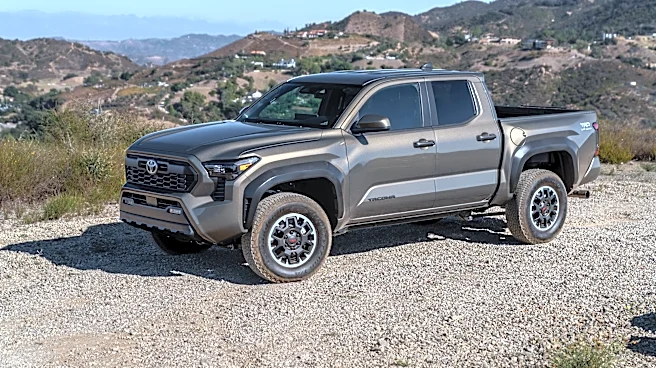
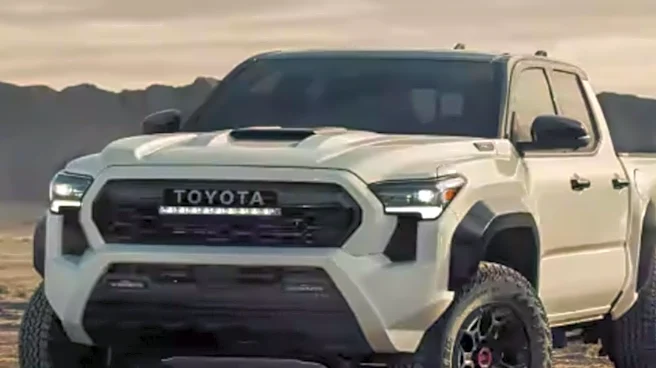
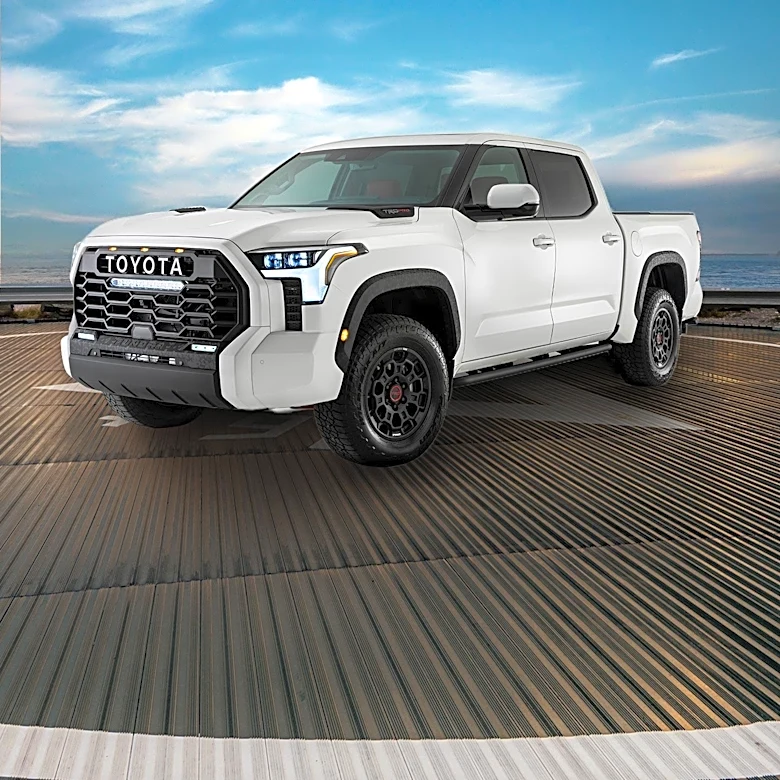
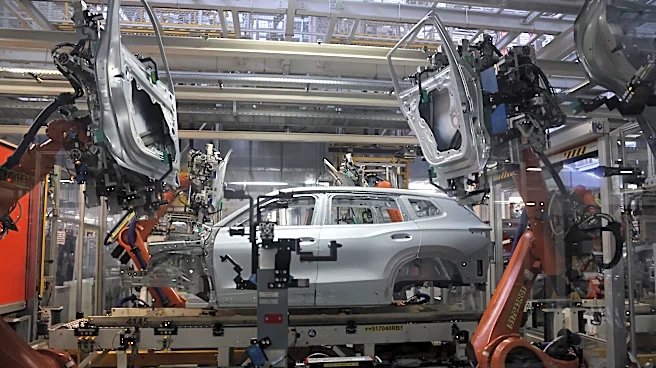
Toyota has announced a significant investment of $3.6 billion to expand its truck manufacturing plant in Texas. This expansion will include the addition of a second assembly line, which is set to facilitate the production of 150,000 Tacoma pickups annually.
The move is part of Toyota's strategy to shift the production of these vehicles from Mexico to the United States, with the transition expected to begin in 2030. This decision aligns with broader trends in the automotive industry where manufacturers are increasingly localizing production to meet regional demand and navigate trade complexities.
Why It's Important?
The investment by Toyota is a substantial boost to the U.S. automotive manufacturing sector, potentially creating numerous jobs and stimulating economic activity in Texas. By relocating production from Mexico to the U.S., Toyota is responding to economic and political pressures to increase domestic manufacturing. This move could influence other automakers to consider similar shifts, impacting the competitive landscape of the automotive industry. Additionally, it reflects ongoing adjustments in global supply chains, as companies seek to mitigate risks associated with international trade tensions and tariffs.
What's Next?
As Toyota prepares for this transition, the company will likely engage in extensive planning and development to ensure the new assembly line is operational by 2030. This will involve collaboration with local government and workforce development agencies to train and hire the necessary workforce. The shift may also prompt discussions among policymakers and industry leaders about the future of automotive manufacturing in North America, potentially influencing trade policies and economic strategies.