
What's Happening?
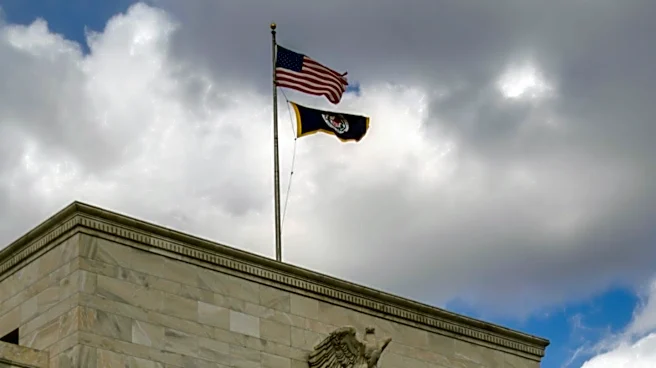
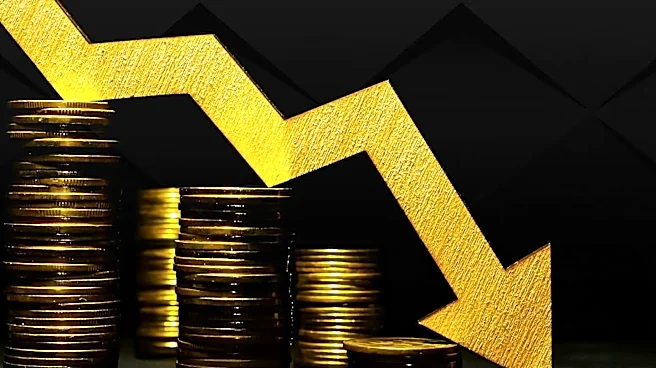
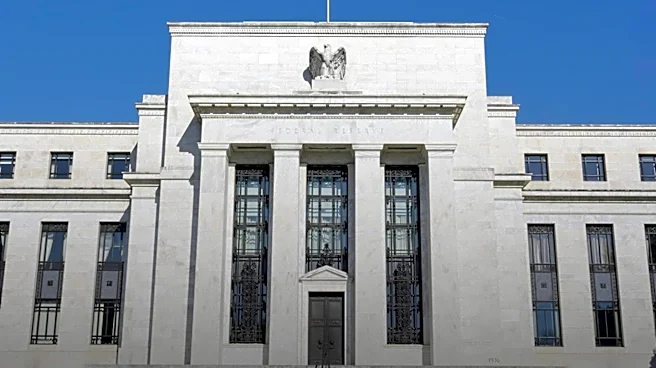
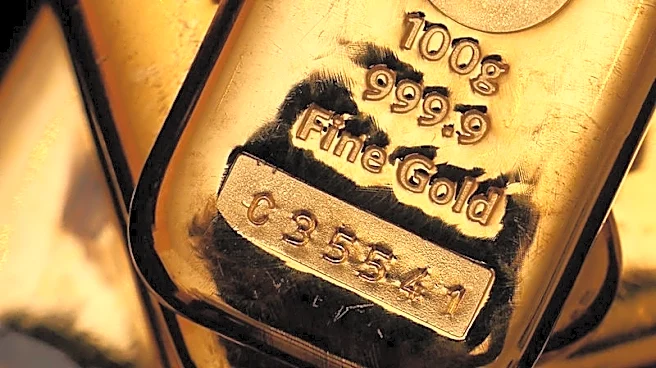
Gold prices have fallen to a 14-month low, with XAU/USD dropping below $3,700. This decline is attributed to hawkish rhetoric from the Federal Reserve, which has led to a stronger U.S. dollar and rising
Treasury yields. Minutes from the October Federal Open Market Committee (FOMC) meeting indicated a strong consensus among Fed officials for further interest rate hikes. The market is currently pricing in a 93% probability of a 25-basis-point hike in the upcoming month and a 10% probability of a 50-basis-point hike. Additionally, three interest rate hikes are anticipated between now and March of next year. The 10-year U.S. Treasury yield has surpassed 5%, showing strong technical signals for continued upward movement, while the U.S. dollar has reached a 19-month high. These factors collectively diminish the appeal of non-yielding, dollar-denominated gold, pushing its price down significantly. The technical analysis indicates a bearish trend, with gold trading in a descending channel and below its 50 and 200 Exponential Moving Averages (EMAs).
Why It's Important?
The significant drop in gold prices has several implications for U.S. investors and the broader economy. Gold is often seen as a safe-haven asset, and its decline suggests that investors are moving away from such assets in favor of higher-yielding alternatives like U.S. Treasuries, driven by expectations of continued interest rate hikes. This shift indicates a market belief in the Federal Reserve's commitment to controlling inflation, even if it means tighter monetary policy. For investors holding gold, the current trend represents a loss in value, while those looking to buy may see this as an opportunity if they believe prices will rebound. The strengthening U.S. dollar also impacts international trade, making U.S. exports more expensive and imports cheaper, which could affect various U.S. industries. The sustained rise in Treasury yields can increase borrowing costs for businesses and consumers, potentially slowing economic growth. The Federal Reserve's hawkish stance signals its priority on price stability, which could lead to a period of higher interest rates and a stronger dollar, influencing investment strategies across different asset classes.
What's Next?
The immediate future for gold prices appears to be tied to the Federal Reserve's monetary policy decisions. Market participants will closely watch upcoming FOMC meetings for further indications of rate hikes. If the Fed continues its hawkish stance and implements the anticipated rate increases, gold prices could face further downward pressure. A sustained break below the $3,700 support level could open the door for prices to fall towards $3,500. Conversely, a more dovish stance from the Federal Reserve, perhaps towards the end of the hiking cycle, would likely be necessary for gold to recover. Buyers would need to reclaim key resistance levels, starting with $3,880, to improve the technical outlook. The trajectory of U.S. Treasury yields and the strength of the U.S. dollar will also be critical factors influencing gold's performance. Any signs of a slowdown in inflation or a shift in the Fed's outlook could trigger a rebound in gold prices, as investors might seek its safe-haven properties once again.
Beyond the Headlines
The current decline in gold prices reflects a broader shift in global financial markets driven by central bank policies. Beyond the immediate impact on investors, this trend highlights the ongoing debate about the effectiveness of monetary policy in managing inflation without triggering a significant economic downturn. The Federal Reserve's aggressive stance, while aimed at price stability, carries the risk of over-tightening, which could lead to a recession. The diminishing appeal of gold as a safe haven also suggests a degree of confidence in the stability of traditional financial assets, at least for now. However, prolonged periods of high interest rates can have long-term implications for government debt, corporate profitability, and consumer spending. The interplay between inflation, interest rates, and currency strength creates a complex economic environment where different asset classes react in varied ways. This situation underscores the importance of diversification and careful risk management for investors navigating these volatile market conditions, as the long-term economic consequences of current monetary policies continue to unfold.