


What's Happening?
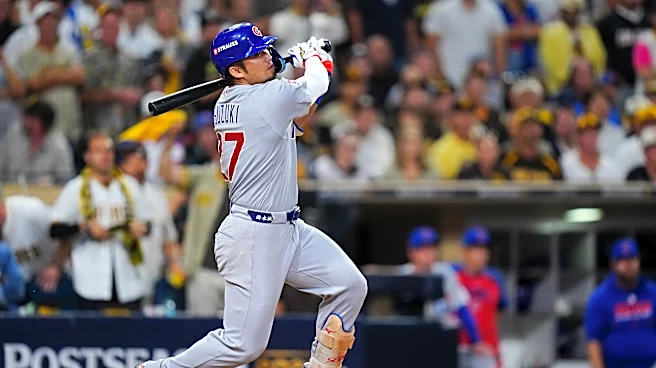
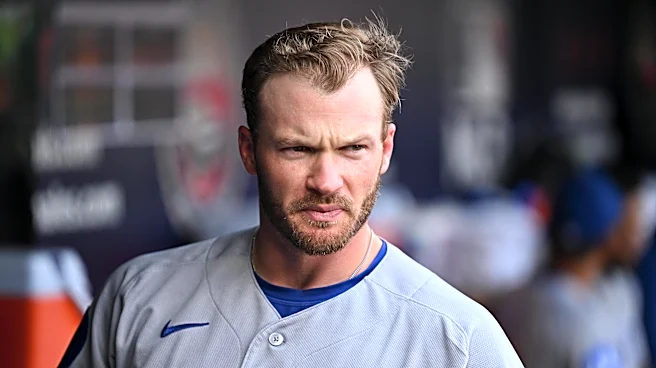
The Chicago Cubs have decided not to extend a qualifying offer to outfielder Ian Happ, marking a significant step towards his potential departure after 11 years with the team. This decision allows Happ to enter free agency without the draft-compensation
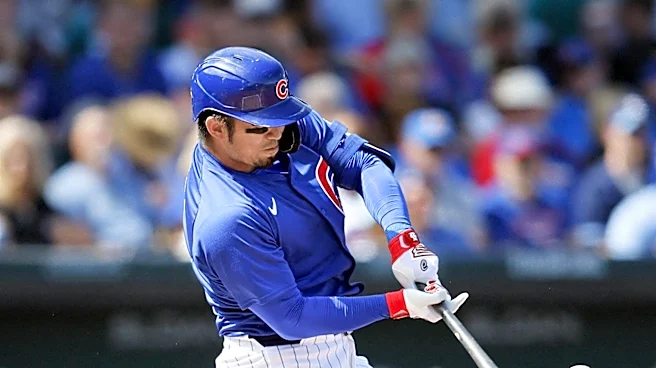
baggage typically associated with a qualifying offer, making him a more attractive option for other teams. While a reunion with the Cubs is still possible, especially if the free-agent market is cooler than expected, the team's prioritization of Seiya Suzuki, who did receive a qualifying offer, suggests a shift in their outfield strategy. The Cubs are now actively considering replacements for Happ in left field, exploring both free agency and trade options, as well as evaluating in-house prospects like Kevin Alcantara, Justin Dean, Matt Shaw, and Pedro Ramirez.
Why It's Important?
The Cubs' decision regarding Ian Happ signals a strategic pivot in their roster construction and financial allocation. By not extending a qualifying offer, the team gains financial flexibility, which can be redirected towards other areas of need, particularly starting pitching. This move also indicates a potential shift in the team's long-term vision for its outfield, possibly paving the way for younger talent or new acquisitions. The focus on Seiya Suzuki suggests the Cubs are building around him as a key corner outfielder. For Happ, entering free agency without the qualifying offer attached could broaden his market, allowing him to secure a more favorable contract. This situation highlights the complex balance teams must strike between retaining established players, managing payroll, and developing future talent, all while aiming for competitive success.
What's Next?
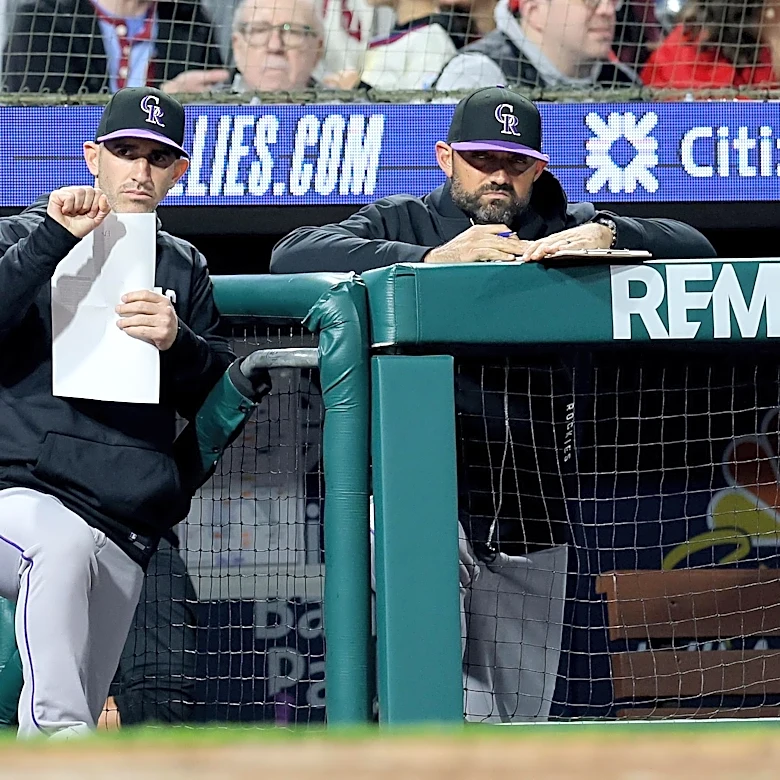
With Ian Happ entering free agency, the Chicago Cubs will intensify their search for a new left fielder. This will involve actively scouting and negotiating with potential free-agent targets, as well as exploring trade opportunities for players who could fill the role. One name being considered is Jake McCarthy from the Rockies, who could be a cost-effective option. The Cubs will also continue to assess their internal prospects to determine if any are ready to step into a starting role. Simultaneously, the team will be focused on allocating resources to acquire quality starting pitching, which is a stated priority for the offseason. The coming weeks and months will be critical for the Cubs to reshape their roster and address key positional needs ahead of the next season.
Beyond the Headlines
The Cubs' decision to move on from a long-tenured player like Ian Happ reflects the often-impersonal nature of professional sports, where business decisions frequently outweigh sentimental attachments. This move could be interpreted as a strategic shift towards a more analytical, value-driven approach to roster management, prioritizing future flexibility and potential over past contributions. The discussion around potential replacements like Jake McCarthy, who offers a blend of performance and cost-effectiveness, underscores the increasing importance of advanced analytics in player evaluation. Furthermore, the emphasis on acquiring controllable pitching assets suggests a long-term strategy to build a sustainable competitive team, rather than relying solely on high-priced free agents. This approach could lead to a more dynamic and evolving roster, with continuous adjustments based on performance and market value.