






What's Happening?
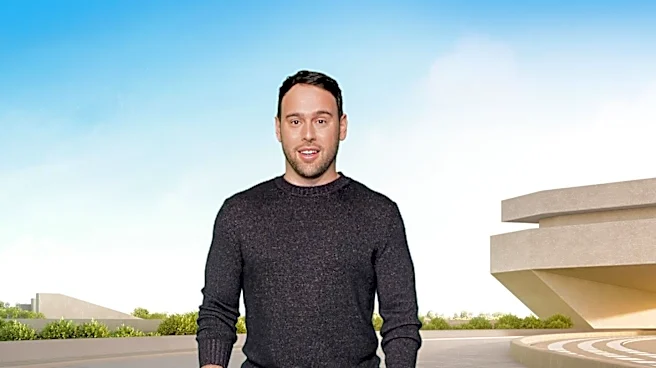
Scooter Braun, a prominent figure in the music industry, has significantly shifted his career focus from artist management to entrepreneurship and investment. In 2026, Braun is operating primarily through Ithaka Management Group and TQ Ventures, focusing
on equity, venture investing, and strategic relationships. This transition follows his retirement from artist management in June 2024, stepping down as HYBE America CEO in July 2025, and his resignation from HYBE's board effective March 30, 2026. While he no longer holds operational or board positions at HYBE, he maintains an advisory relationship with the company. This strategic pivot was preceded by notable changes in 2023, when artists like Demi Lovato and Ariana Grande ended their management relationships with his organization, and J Balvin moved to Roc Nation. Braun's career has evolved from discovering artists like Justin Bieber on YouTube and building Ariana Grande into a global star, to engaging in multi-million and billion-dollar transactions, including the controversial acquisition and subsequent sale of Taylor Swift's masters.
Why It's Important?
Scooter Braun's career trajectory reflects a significant evolution within the music and entertainment industries, moving from traditional artist management to a more diversified role in investment and corporate strategy. This shift highlights the increasing financialization of music assets, where intellectual property and catalogs are viewed as valuable investment opportunities for private equity and venture capital. His involvement in the HYBE acquisition and other deals underscores the growing integration of global entertainment companies and the strategic importance of cross-border partnerships. For artists, this trend means that their careers are increasingly intertwined with complex financial structures and corporate ownership, potentially impacting creative control and revenue streams. Braun's move away from daily management also signals a broader industry trend where seasoned executives transition to roles focused on long-term asset growth and strategic partnerships, rather than hands-on talent development. The controversies surrounding his acquisition of Taylor Swift's masters also brought to light critical discussions about artist ownership, intellectual property rights, and the power dynamics between artists and their management/labels.
What's Next?
Scooter Braun is expected to continue expanding his influence in the investment and venture capital sectors through Ithaka Management Group and TQ Ventures. His advisory role with HYBE suggests ongoing strategic involvement in the global entertainment landscape, potentially facilitating new acquisitions or partnerships. The focus will likely be on identifying and investing in emerging technologies and consumer businesses, diversifying his portfolio beyond traditional music. For the music industry, his continued presence as an investor means that his strategic decisions could still indirectly shape the careers of artists and the structure of labels. The impact of his past management style and business dealings, particularly the Taylor Swift masters controversy, will likely remain a point of reference for discussions on artist rights and industry practices. His personal life, including his relationship with Sydney Sweeney, may also continue to draw public attention, though his professional focus is now firmly on investment.
Beyond the Headlines
Braun's transition from a hands-on artist manager to a venture capitalist and strategic investor reveals a deeper transformation in the entertainment industry: the increasing convergence of creative industries with finance. This shift signifies that success in music is no longer solely about artistic talent or traditional management, but also about understanding and leveraging complex financial instruments, intellectual property, and global market dynamics. The 'Taylor's Version' phenomenon, born from the controversy over Swift's masters, exemplifies how financial transactions can ignite cultural movements and empower artists to reclaim ownership, setting a precedent for future generations. Braun's career also highlights the evolving definition of a 'music mogul,' moving from a focus on individual artists to building and owning entire ecosystems of talent, technology, and assets. This trajectory raises ethical questions about the balance of power between creators and capital, and the long-term implications for artistic freedom and the distribution of wealth within the creative economy. His story is a microcosm of how Wall Street-style financing has become deeply embedded in pop culture.