





What's Happening?
OpenAI has committed to covering the full cost of powering its data centers and will cease using non-disclosure agreements (NDAs) with public officials regarding these projects. These commitments were announced as part of a new policy blueprint, a 'National
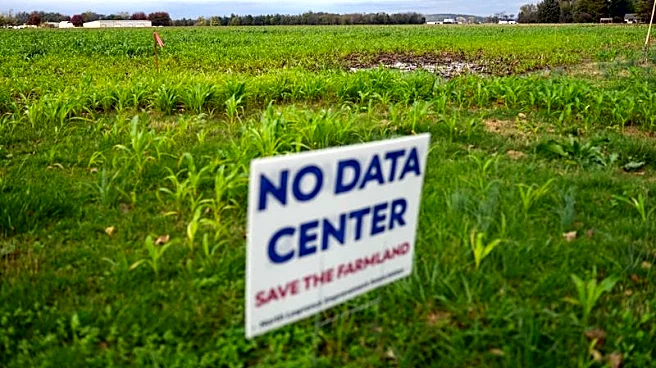
Community Compact,' published by the company. The initiative follows widespread public opposition to the rapid expansion of AI data centers, which was evident in recent election results where voters largely rejected pro-development measures. OpenAI's new framework also includes pledges to solicit community input, publish construction plans, provide clear data on potential community impacts (noise, water, energy), reduce power usage during peak times, and set local hiring goals. The company aims to send electricity back to the grid and publicly report on its progress. OpenAI's Chief Global Affairs Officer, Chris Lehane, stated that this blueprint has been in development since August and builds upon previous initiatives, with discussions held with numerous lawmakers and candidates.
Why It's Important?
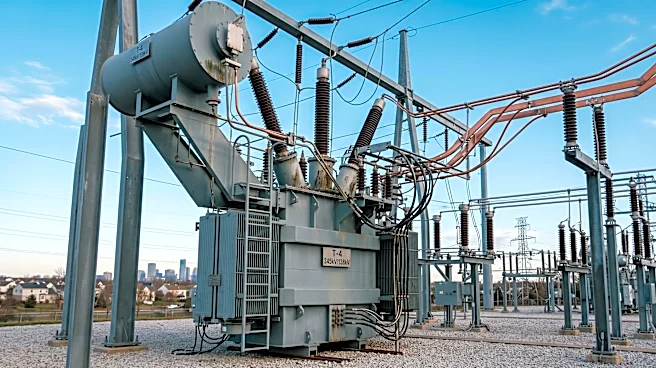
This move by OpenAI signifies a direct response to growing public anxiety and political pushback against the environmental and economic impacts of AI data centers. The rejection of data center expansion in recent local ballot measures across ten states highlights a significant shift in public sentiment, making it crucial for AI companies to address community concerns. By committing to pay full power costs and eliminating NDAs, OpenAI aims to build trust and mitigate fears that these facilities will raise utility bills, exacerbate environmental harms, or lead to job losses. This proactive approach could set a precedent for other tech companies, including Meta, Microsoft, Google, and Anthropic, which have outlined similar commitments. The policy blueprint also encourages lawmakers to adopt these commitments into law, potentially shaping future regulations for AI infrastructure development across the U.S. The financial implications are substantial, as OpenAI targets $600 billion in compute spend by 2030, with massive data center projects already underway in states like Georgia and Ohio.
What's Next?
OpenAI plans to continue engaging with policymakers and communities to advance its new policy blueprint. Chris Lehane indicated that ongoing conversations are intended to build momentum for legislative action when the new Congress convenes in late January. The company will proceed with its data center projects in states like Georgia and Ohio, now under the new commitments, and will publicly report on its adherence to these pledges. The recent election results, which saw candidates supporting data center curbs win in states like Texas, Georgia, Ohio, and Pennsylvania, suggest that AI data center developers will face increased scrutiny and potential regulatory challenges. Other tech companies may follow OpenAI's lead in adopting similar community-focused policies to navigate this evolving landscape. The success of OpenAI's new approach will likely influence future public perception and regulatory frameworks for AI infrastructure development across the United States.
Beyond the Headlines
The broader implications of OpenAI's new commitments extend to the evolving relationship between technological advancement and community welfare. The public's strong rejection of data center expansion reflects a growing demand for greater transparency and accountability from large tech corporations. This situation highlights a potential shift in how major infrastructure projects, particularly those related to emerging technologies like AI, are planned and implemented. The emphasis on community input, environmental impact mitigation, and local economic benefits suggests a move towards more socially responsible corporate practices. Ethically, the elimination of NDAs with public officials promotes transparency and allows for more open dialogue between corporations and the communities they impact. Legally, if policymakers adopt OpenAI's blueprint into law, it could establish new regulatory standards for the AI industry, potentially influencing how other sectors manage their environmental and social responsibilities. This development could signal a long-term trend where public sentiment increasingly dictates the pace and manner of technological expansion.