





What's Happening?
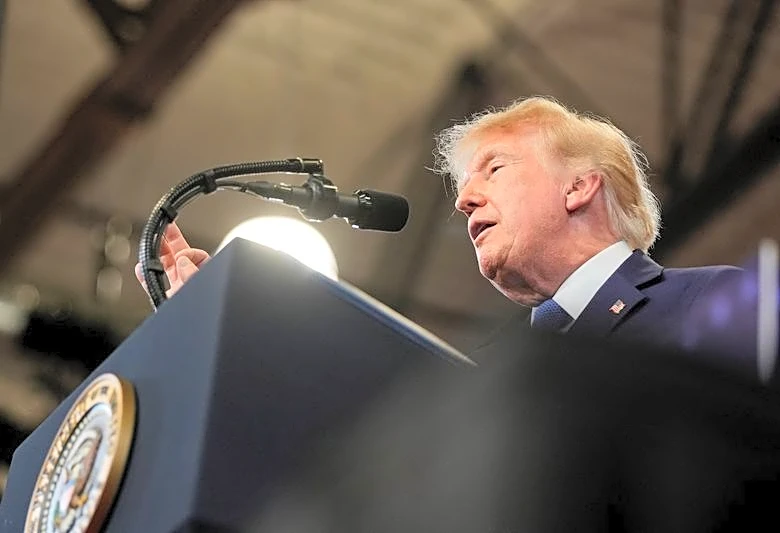
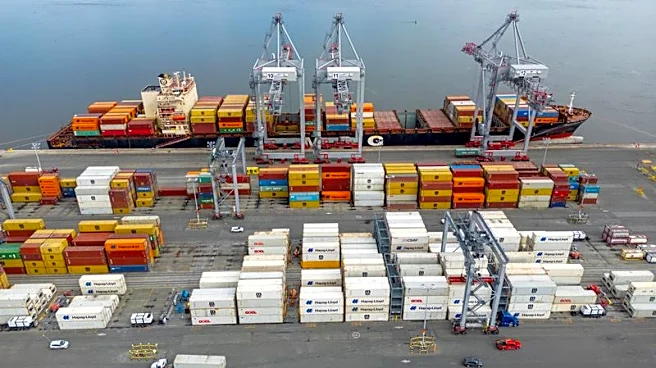
President Donald Trump announced a 90-day initiative to allow up to 300,000 metric tons of ground beef to be imported into the United States without tariffs. This beef is committed to be sold at 25% below current market prices. President Trump stated
that this measure aims to "substantially lower" ground beef prices for American families, attributing current high prices to the Biden administration and a shrinking domestic cattle supply. The announcement was made via a Truth Social post, where President Trump emphasized that the deal would reduce prices for consumers while allowing the American beef herd to recover. This move comes as U.S. ranchers are dealing with the smallest domestic cattle herd in 75 years, and Tyson Foods recently announced the closure of beef facilities in Illinois and Utah.
Why It's Important?
This policy is significant as it directly intervenes in the U.S. beef market, aiming to alleviate consumer costs but potentially disrupting domestic cattle producers. The National Cattlemen's Beef Association (NCBA) and the American Farm Bureau Federation have expressed strong disapproval, arguing that introducing below-market beef could negatively impact American ranchers who are already facing challenges. NCBA CEO Colin Woodall stated that such interventions overlook strong consumer demand for U.S. beef and could harm producers. The American Farm Bureau Federation warned that "short-term measures could have long-term negative effects" for both consumers and ranchers. U.S. Cattlemen's Association President Justin Tupper also criticized the plan, asserting it would weaken markets and potentially compromise food safety. Several Republican senators, including Sen. Tim Sheehy, R-Mont., echoed these concerns, highlighting the potential harm to ranching families.
What's Next?
The tariff-free import period for ground beef is set for 90 days. During this time, the U.S. market will see an influx of imported beef sold at a reduced price. President Trump did not specify the origin countries for the beef, only stating that they would be "a few" and would supply "highest quality beef." The reaction from cattle industry groups and Republican lawmakers suggests ongoing debate and potential political pressure regarding the long-term implications of such policies. It remains to be seen how this measure will affect domestic beef prices, the profitability of American ranchers, and consumer purchasing habits over the next three months. The industry will likely monitor the impact on market stability and the recovery of the domestic cattle herd.
Beyond the Headlines
The policy highlights a tension between immediate consumer relief and the long-term stability of domestic agricultural industries. While the stated goal is to lower food prices for American families, the backlash from ranching associations underscores concerns about the economic viability of U.S. cattle producers. This situation could set a precedent for future government interventions in agricultural markets, potentially leading to debates about food security, trade policies, and the balance between import reliance and domestic production. The ethical implications of potentially undermining local industries for short-term price reductions, as well as the practical challenges of ensuring food safety with increased imports, are also deeper considerations. This move could also influence future agricultural policy discussions, particularly concerning support for domestic farmers and ranchers in times of supply chain disruptions or economic pressures.