




What's Happening?
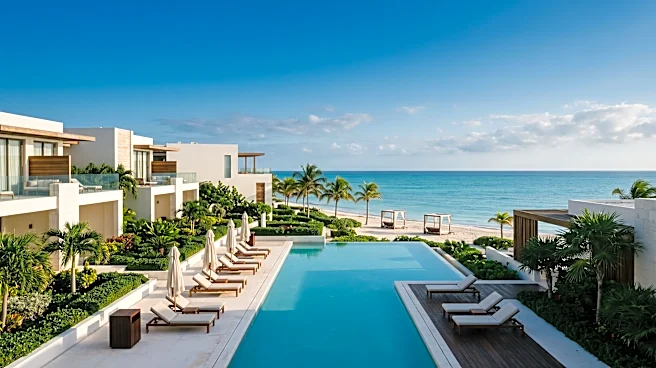
Park Hyatt is launching its first all-inclusive property, the Park Hyatt Riviera Maya, located south of Cancun, with reservations available for stays starting in early December. This move signifies a broader trend of luxury brands entering the all-inclusive market,
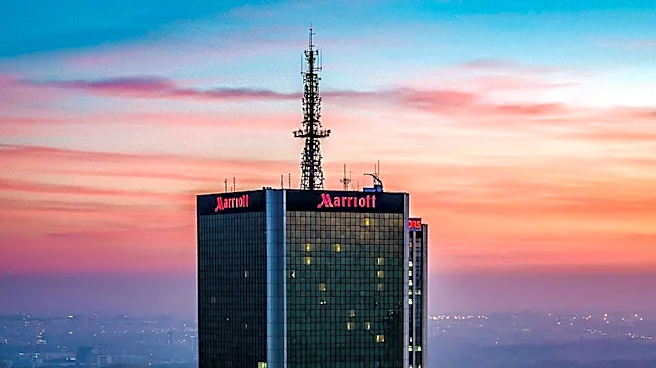
aiming to redefine the concept beyond its traditional association with abundance over quality. According to Sam Kirby, the general manager, the resort will maintain Park Hyatt's luxury standards, offering 148 ocean-view rooms and suites, a 'resort ambassador' for personalized service, multiple dining options, the Velara Spa, and various activities. The approach focuses on individualizing the experience, with included amenities like top-shelf spirits and a la carte dining, while removing transactional elements to enhance guest relaxation. Other major luxury brands, including Marriott's The Luxury Collection and W-branded resorts, and Hilton's Waldorf Astoria Riviera Maya and Conrad Tulum Riviera Maya, are also expanding into the all-inclusive segment, indicating a significant shift in the hospitality industry.
Why It's Important?
The entry of luxury brands like Park Hyatt, Marriott, and Hilton into the all-inclusive market is a pivotal development for the U.S. hospitality industry and travelers. This trend challenges the long-held perception of all-inclusive resorts as budget-oriented or sacrificing quality for convenience. For consumers, it means a wider array of high-end vacation options where the cost of premium services, dining, and amenities is bundled upfront, potentially offering a more predictable and stress-free travel experience. For the industry, it represents a strategic move to capture a segment of the luxury travel market that values ease and comprehensive service. This shift could lead to increased competition among luxury hotel chains, driving innovation in all-inclusive offerings and potentially elevating service standards across the board. It also suggests a recognition by these brands that modern travelers, including those willing to spend significantly, are increasingly seeking the simplicity and value proposition of an all-inclusive model, provided it meets their expectations for quality and personalization.
What's Next?
The success of Park Hyatt Riviera Maya and similar luxury all-inclusive ventures will likely influence further expansion within the high-end hospitality sector. Other luxury brands may follow suit, leading to a more diverse and competitive all-inclusive market. Travelers can anticipate more sophisticated and personalized all-inclusive packages, with an emphasis on bespoke experiences rather than standardized offerings. The industry will likely continue to refine what 'all-inclusive' means, moving away from a one-size-fits-all model to cater to specific luxury niches. This could involve more tailored culinary experiences, exclusive access to amenities, and enhanced personalization services. The focus will remain on removing the 'friction' of traditional luxury travel, allowing guests to enjoy their vacations without constant financial considerations. The ongoing evolution of this segment will be closely watched by both consumers and competitors, as it reshapes expectations for luxury travel.
Beyond the Headlines
This trend reflects a deeper cultural shift in consumer preferences, where convenience and predictability are becoming as valuable as luxury itself. In an increasingly complex world, the idea of a 'mental freedom' vacation, where financial decisions are minimized, holds significant appeal, even for affluent travelers. This move by luxury brands also highlights a strategic adaptation to market demands, recognizing that the all-inclusive model, when executed with high standards, can attract a broader demographic. It challenges the traditional separation between luxury and all-inclusive, suggesting that these two concepts are not mutually exclusive but can be integrated to create a superior guest experience. The emphasis on personalization, even within an all-inclusive framework, indicates a move towards more bespoke travel, where individual preferences are catered to from the outset. This could set a new benchmark for luxury hospitality, influencing how hotels design their offerings and engage with their clientele in the long term.