




What's Happening?
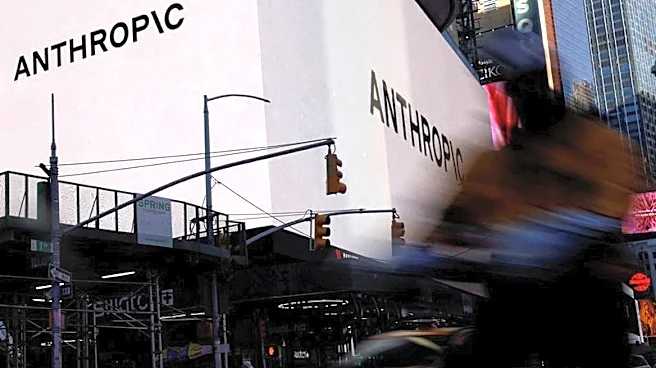
Anthropic, an AI company, made its trading debut on Nasdaq on November 19, becoming the largest IPO ever. This event propelled its seven co-founders to billionaire status, with each seeing their net worths rise to approximately $20 billion. The co-founders have
made a nonbinding pledge to dedicate 80% of their personal equity in Anthropic to philanthropic causes, a commitment valued at $112 billion based on the IPO price. However, the company's share price has since fallen by nearly 28%, reducing the value of this commitment. The pledge allows for various means of fulfillment, including donations to charitable organizations, donor-advised funds, or private foundations, and is described as a 'voluntary, revocable expression' of philanthropic intent, not a legally binding obligation.
Why It's Important?
This development has significant implications for the philanthropic landscape and the broader discussion around wealth generated by the tech industry, particularly AI. The potential $112 billion commitment, if fully realized and directed to working charities, could be transformative for numerous causes. However, the nonbinding nature of the pledge and the option to use wealth-warehousing vehicles like donor-advised funds raise questions about the immediate impact on charitable organizations. The market volatility affecting Anthropic's share price also highlights the fragility of such large-scale philanthropic commitments tied to fluctuating stock values. This event sets a precedent for how new AI wealth might be channeled, influencing future philanthropic trends among tech billionaires and potentially sparking debate on the effectiveness and transparency of large-scale giving.
What's Next?
The actualization of the co-founders' philanthropic pledge will depend on several factors, including market conditions, their individual circumstances, and their chosen methods of giving. There is a possibility that initial proceeds could be directed to donor-advised funds, delaying direct support to working nonprofits. Anthropic itself has already committed 5% of its public benefit corporation shares to an LLC called the Anthropic Public Benefit Fund, focusing on the economic impacts of AI, and has committed $50 million to a DAF at the San Francisco Foundation for Bay Area organizations. Future actions by the co-founders, particularly regarding the transparency and directness of their donations, will be closely watched by the philanthropic sector and the public. The performance of other AI companies like OpenAI, which may go public next year, could also influence the broader AI-driven philanthropic gold rush.
Beyond the Headlines
The Anthropic IPO and its founders' philanthropic pledge bring to the forefront the ethical responsibilities associated with immense wealth creation, especially from technologies like AI that carry both immense promise and potential risks. The co-founders' stated concerns about AI's societal impacts, including labor market disruption and existential risks, suggest a potential focus on AI safety and related social issues in their giving. This could lead to a new wave of philanthropy specifically targeting the challenges posed by advanced AI. The debate over whether to give to 'working charities' versus 'wealth-warehousing vehicles' also underscores a long-standing tension in philanthropy regarding immediate impact versus long-term strategic giving. This situation could catalyze a re-evaluation of philanthropic practices and accountability in the tech sector.