






What's Happening?
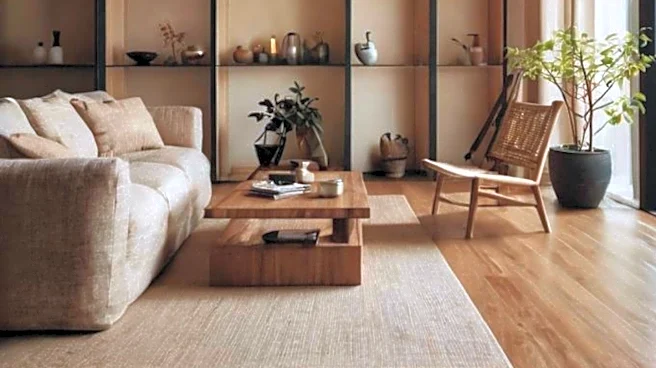
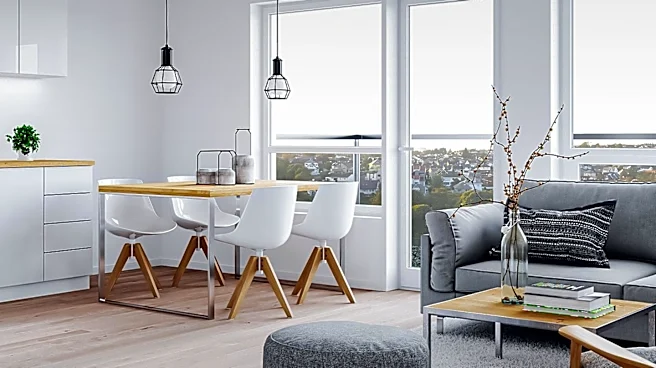
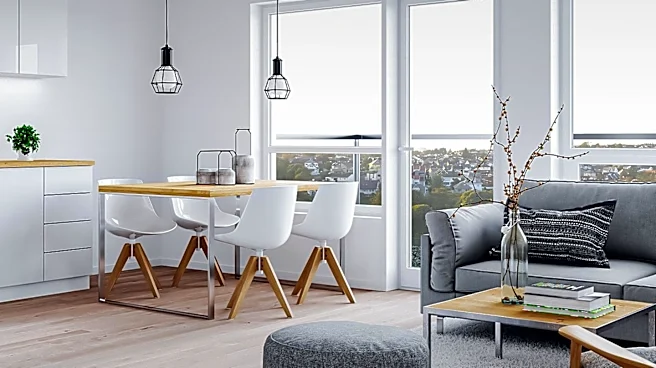
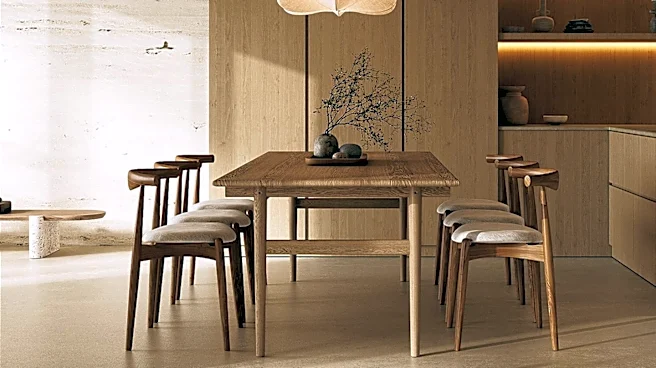
Scandinavian minimalism is a design philosophy that prioritizes simplicity, functionality, and the incorporation of natural materials. This aesthetic is evident in various applications, including kitchen design, where it allows for the display of everyday
items while also providing practical storage solutions. Open shelving can be used to showcase frequently used objects, though closed storage remains essential for packaging and spare supplies. Appliances can be integrated visibly if their placement enhances the room's overall design, or they can be concealed to improve the space without hindering daily use. This design approach also extends to fashion, with companies like Spoke offering custom-finished menswear that aligns with the Scandinavian minimalist aesthetic. The core principle is to create uncluttered, efficient, and aesthetically pleasing environments.
Why It's Important?
The emphasis on Scandinavian minimalism reflects a broader cultural shift towards intentional living and sustainable design practices. By focusing on functionality and natural materials, this design philosophy promotes durability and reduces waste, which is increasingly important in an era of environmental consciousness. Its influence on menswear, for instance, suggests a consumer demand for timeless, well-made garments over fast fashion. In interior design, the preference for visible everyday items and thoughtful storage solutions can lead to more organized and less stressful living spaces. This approach can also impact manufacturing and retail sectors, encouraging the production and sale of high-quality, versatile products that align with minimalist principles, potentially influencing consumer spending habits and market trends towards more sustainable and practical goods.
What's Next?
The continued adoption of Scandinavian minimalism is likely to drive further innovation in product design and manufacturing, with a focus on multi-functional items and sustainable sourcing. We may see an increase in demand for modular furniture and adaptable living solutions that cater to smaller living spaces and a desire for less clutter. Retailers might expand their offerings of minimalist-inspired products across various categories, from home goods to apparel, to meet evolving consumer preferences. Additionally, the design principles of Scandinavian minimalism could influence urban planning and architectural trends, promoting the creation of more efficient, aesthetically pleasing, and environmentally friendly public and private spaces. This trend could also lead to a greater appreciation for craftsmanship and natural materials, fostering a market for artisanal and locally sourced products.
Beyond the Headlines
Beyond its aesthetic appeal, Scandinavian minimalism embodies a philosophy that can foster mental well-being by reducing visual noise and promoting a sense of calm and order. The deliberate choice of natural materials connects inhabitants with the environment, potentially enhancing comfort and reducing exposure to synthetic chemicals. Culturally, this movement challenges consumerism by advocating for fewer, higher-quality possessions, encouraging a more mindful approach to consumption. Ethically, the focus on sustainability and durability in design can contribute to a reduction in environmental impact, aligning with global efforts to combat climate change. This design philosophy, therefore, transcends mere aesthetics, offering a holistic approach to living that prioritizes well-being, environmental responsibility, and a thoughtful engagement with one's surroundings.