





What's Happening?
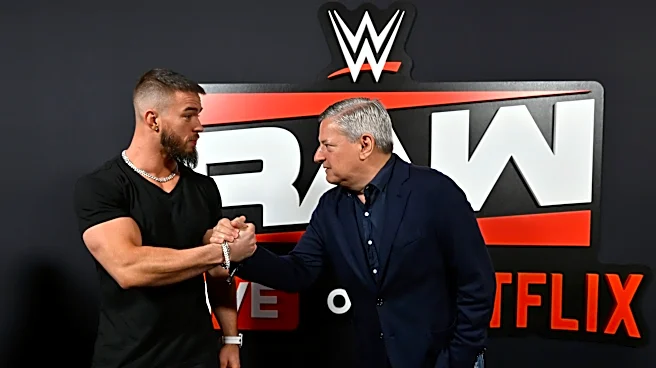
Gabe Spitzer, VP/Global Live Sports & Entertainment for Netflix, has provided insights into the streaming giant's global live sports strategy, including its expanded NFL presence and ambitious plans for the Women's World Cup. Netflix has increased its NFL relationship
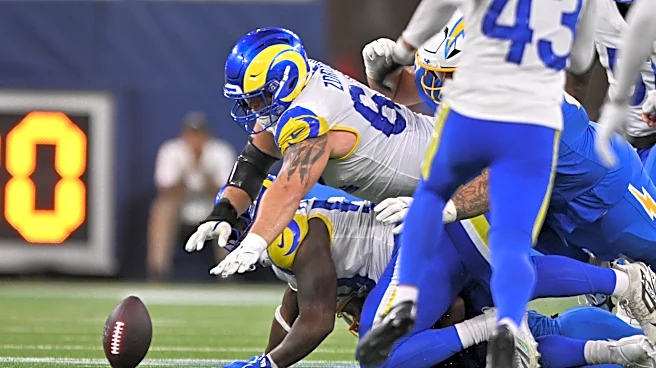
to five games for the upcoming season, a significant jump from two games last year, with a focus on international matchups like the Week 1 game in Melbourne, Australia. Spitzer emphasized Netflix's global reach, noting that while the U.S. is a major market, the company considers other markets for sports rights, citing its previous World Baseball Classic rights in Japan only. Netflix holds exclusive U.S. and Puerto Rico broadcast rights for the 2027 and 2031 Women's World Cups in English and Spanish, and also has English and French rights in Canada for the same tournaments. Spitzer described the Women's World Cup as Netflix's most ambitious live project to date, involving 30 days of programming and 64 matches.
Why It's Important?
Netflix's aggressive push into live sports, particularly with the NFL and the Women's World Cup, signifies a major shift in the streaming landscape. This strategy aims to diversify Netflix's content offerings beyond its traditional on-demand model, attracting new subscribers and retaining existing ones in an increasingly competitive market. By securing exclusive rights for major sporting events, Netflix is positioning itself as a key player in sports broadcasting, challenging traditional networks. The focus on international NFL games and global rights for the Women's World Cup highlights the company's ambition to cater to its vast global subscriber base. This move could also influence how other streaming services approach live sports, potentially leading to more exclusive deals and a further fragmentation of sports viewing options for consumers. The investment in live sports is a high-stakes gamble, but one that could yield significant returns in terms of subscriber growth and market share.
What's Next?
Netflix will continue to build out its live sports infrastructure and talent, as evidenced by its NFL talent hires for 2026, including Pro Football Hall of Famer Luke Kuechly as an analyst. The company is also preparing extensively for the 2027 Women's World Cup, which Spitzer calls their most ambitious live project. Discussions are also anticipated with FIFA regarding the 2030 men's World Cup, indicating Netflix's long-term interest in major global sporting events. The success of these ventures will likely dictate the pace and scale of Netflix's future investments in live sports. The company will need to demonstrate its ability to deliver high-quality live broadcasts and attract substantial viewership to justify the significant financial outlays for these rights. The evolving landscape of sports media rights will see Netflix as a more prominent bidder, potentially driving up costs for other broadcasters.
Beyond the Headlines
Netflix's foray into live sports has broader implications for the media industry, signaling a potential paradigm shift in how major sporting events are distributed and consumed. The company's global approach to acquiring rights, as seen with the World Baseball Classic in Japan and the Women's World Cup, suggests a strategy to tailor content to specific regional markets while also pursuing global tentpole events. This could lead to a more fragmented international sports broadcasting landscape, where different streaming services hold rights in various territories. Furthermore, Netflix's emphasis on storytelling and appealing to both hardcore and casual fans, as described by Spitzer for the Women's World Cup, indicates a sophisticated approach to sports content that goes beyond just live game broadcasts. This could redefine how sports are presented and consumed, blending traditional live action with documentary-style narratives and interactive features to engage a wider audience.