
What's Happening?
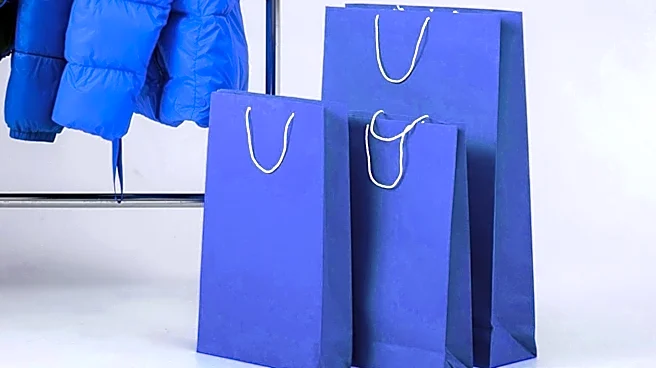
Trend forecaster WGSN and its color partner Coloro have named Luminous Blue as the 2027 Color of the Year. This deep, saturated blue, reminiscent of cobalt and lapis, has already made its presence felt
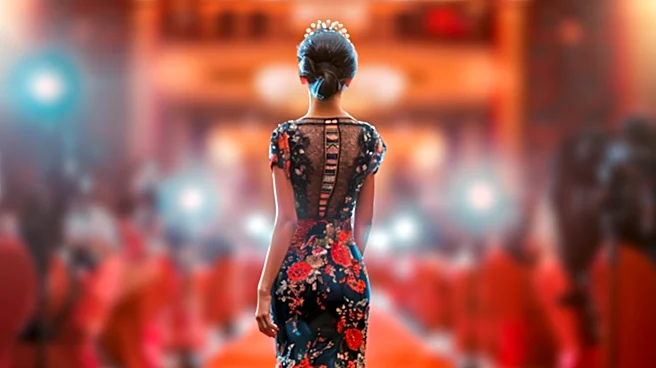
in Spring 2027 fashion collections. According to Pham Fashion House, cobalt was a prominent color on the Spring 2027 runways in New York, with designers like Area, Sergio Hudson, Proenza Schouler, Simkhai, and Calvin Klein incorporating it into their lines. Paris and Copenhagen also featured blue looks, with the latter leaning towards turquoise and aqua. WGSN's senior color strategist, Clare Smith, describes the shade as 'mysterious and eccentric,' linking it to both historical pigments like lapis lazuli and modern technology through cobalt. This selection leads WGSN and Coloro's five key colors for Spring/Summer 2027, which also include Energy Orange, Pop Pink, Meadowland Green, and Clay. The color is positioned as gender-inclusive and transseasonal, suitable for various styles from occasionwear to activewear, and appears well on different fabrics such as satin, knitwear, and technical materials.
Why It's Important?
The announcement of a Color of the Year by influential trend forecasting agencies like WGSN and Coloro significantly impacts the fashion and retail industries in the U.S. and globally. This designation guides designers, manufacturers, and retailers in their product development, material sourcing, and marketing strategies for upcoming seasons. The widespread adoption of Luminous Blue, as evidenced by its early appearance in Spring 2027 collections, suggests a coordinated industry shift towards this specific hue. For consumers, this means an increased prevalence of Luminous Blue in clothing, accessories, and potentially home goods, influencing purchasing decisions and aesthetic preferences. The emphasis on a 'brighter color story' for 2027, moving away from 'quiet luxury' towards 'maximalism with intentional craftsmanship,' signals a broader shift in fashion trends that will affect product offerings across various price points in the U.S. market. The transseasonal nature of Luminous Blue also implies a longer shelf-life for products featuring this color, potentially impacting inventory management and sales cycles for businesses.
What's Next?
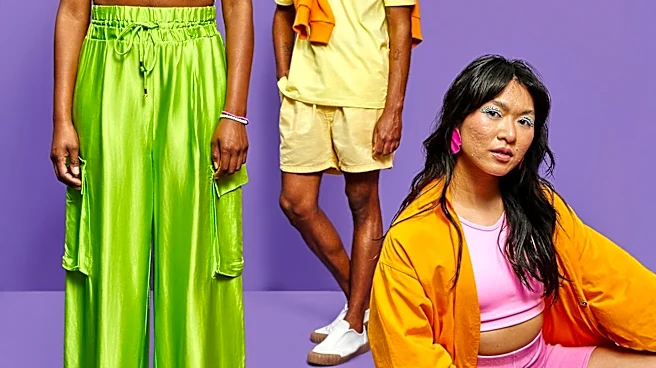
The fashion industry will continue to integrate Luminous Blue into upcoming collections, extending beyond Spring 2027 into Autumn/Winter 2027/28, where it will be paired with warmer, earthier shades like Russet, Peaceful Lilac, Maize, and Deep Green. Manufacturers will focus on ensuring color consistency across different fabrics and components, a complex process involving precise color standards, lab dips, and bulk approvals. Brands will need to finalize tech packs and fabric orders well in advance, especially considering events like Tet in February 2027, which can impact production timelines. Pantone, another major color authority, is expected to announce its own 2027 Color of the Year in early December 2026, which may either reinforce or diverge from WGSN and Coloro's selection, potentially creating further trends or variations in the market. Consumers can anticipate seeing Luminous Blue prominently featured in retail stores and fashion campaigns throughout 2027, styled in various ways, including monochromatic looks or paired with contrasting colors like red and warm browns.
Beyond the Headlines
The selection of Luminous Blue as the Color of the Year reflects broader cultural and societal themes, with WGSN linking it to 'interconnectedness' and the blend of craft heritage and technology. This suggests a desire for colors that evoke both tradition and innovation, potentially resonating with consumers seeking products that embody these values. The shift towards 'maximalism' and 'intentional craftsmanship' after years of 'quiet luxury' could indicate a post-pandemic desire for more expressive and thoughtfully designed items, moving away from understated aesthetics. This trend might also influence other design-led industries, such as interior design, graphic design, and even technology, as color trends often cross over into various sectors. The meticulous process of ensuring color accuracy across different materials and suppliers highlights the intricate global supply chains within the fashion industry and the technical challenges involved in translating a conceptual color trend into tangible products for the U.S. market.