




What's Happening?
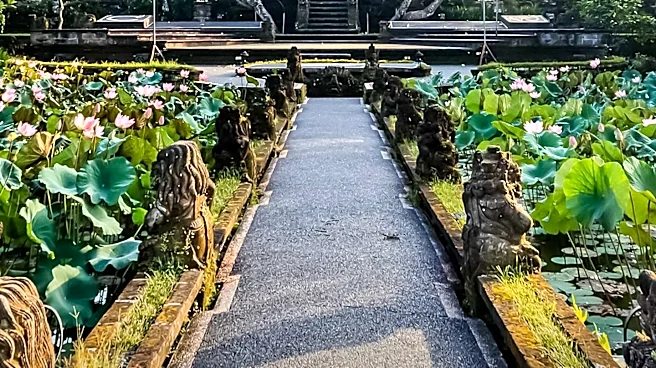
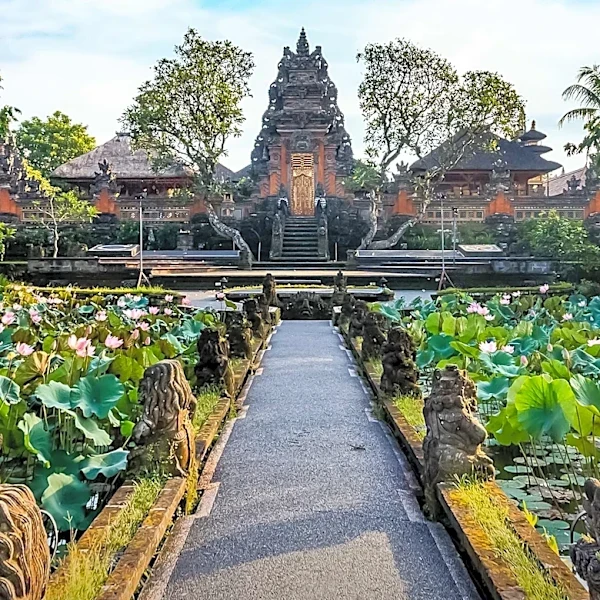
Ubud, located in Bali, Indonesia, continues to be celebrated as a significant cultural and spiritual center. The region is renowned for its art galleries, traditional dance performances, and craft workshops. A prominent natural attraction is the Sacred
Monkey Forest Sanctuary, which draws numerous visitors. Ubud's landscape is characterized by steep river gorges and the iconic Tegallalang Rice Terraces, which are part of the traditional Balinese subak irrigation system. Despite an increase in tourism, Ubud maintains its active agricultural practices and ceremonial life, preserving its unique cultural identity. The area offers a blend of natural beauty, spiritual tranquility, and cultural experiences, making it a popular destination for travelers seeking both relaxation and adventure.
Why It's Important?
Ubud's sustained appeal as a cultural and spiritual destination highlights the global interest in authentic cultural experiences and eco-tourism. For the U.S. tourism industry and related sectors, this trend signifies a demand for destinations that offer more than just leisure, focusing on cultural immersion, wellness, and natural exploration. The continued growth of tourism in Ubud, even with its commitment to preserving local traditions, demonstrates a successful model for balancing economic development with cultural and environmental conservation. This could influence how U.S. travel agencies market international destinations and how American travelers prioritize their vacation choices, potentially shifting preferences towards more culturally rich and sustainable travel options. The region's ability to maintain its unique character despite increasing visitor numbers offers insights into sustainable tourism practices that could be relevant for destinations worldwide.
What's Next?
As Ubud continues to attract tourists, future developments will likely focus on managing the influx of visitors while preserving its cultural and natural heritage. This may involve implementing stricter regulations for tourism activities, promoting responsible tourism practices, and investing in infrastructure that supports both locals and tourists without compromising the environment. There could be an increased emphasis on promoting lesser-known cultural sites and activities to distribute tourist traffic and provide more authentic experiences. Additionally, the wellness and spiritual tourism sectors in Ubud are expected to grow, leading to more offerings in yoga, meditation, and traditional Balinese healing practices. The local government and tourism boards will likely continue to work on strategies to ensure that Ubud remains a vibrant cultural hub while accommodating its growing popularity.
Beyond the Headlines
The enduring popularity of Ubud points to a deeper societal yearning for connection with nature, spirituality, and authentic cultural experiences in an increasingly globalized world. Beyond its economic impact, Ubud's success as a cultural destination raises questions about the delicate balance between cultural preservation and commercialization. The challenge lies in allowing economic benefits from tourism to uplift local communities without eroding the very traditions and natural beauty that attract visitors. This dynamic is a microcosm of broader global discussions on sustainable development and the ethical responsibilities of tourism. The way Ubud navigates these challenges could offer valuable lessons for other destinations grappling with similar issues, highlighting the importance of community involvement and thoughtful planning in maintaining cultural integrity amidst external pressures.