






What's Happening?
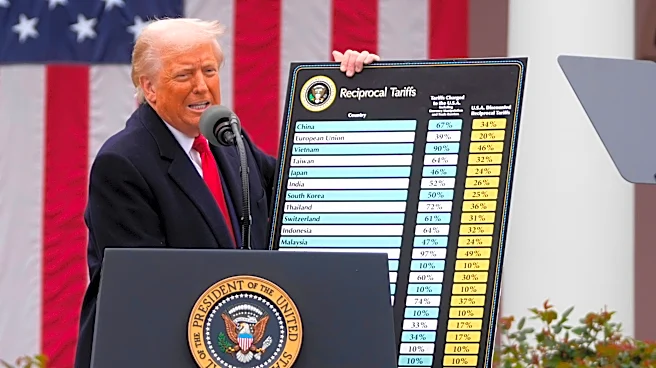
A recent survey by KPMG reveals that 42% of Canadian manufacturing firms have either moved or are planning to move production to the United States. This shift is driven by U.S. tariffs and trade uncertainties under President Trump, as well as competitiveness
challenges in Canada. The survey, conducted in May 2026, highlights that 29% of firms have already relocated, with another 13% planning to do so within the next two years. The move is largely motivated by the desire to avoid high U.S. import tariffs, reduce operating costs, and benefit from a more favorable tax environment. Additionally, Canadian manufacturers face increased energy and compliance costs due to aggressive Net Zero energy policies, which include industrial carbon pricing and regulatory hurdles.
Why It's Important?
The relocation of Canadian manufacturers to the U.S. has significant implications for both countries. For Canada, this trend represents a hollowing out of its manufacturing sector, leading to job losses, reduced tax revenue, and weakened supply chains. The shift also increases Canada's reliance on imported goods, potentially heightening supply-chain vulnerabilities. For the U.S., the influx of manufacturing operations aligns with President Trump's 'America First' agenda, which aims to rebuild domestic manufacturing and reduce dependence on foreign supply chains, particularly from China. This movement could strengthen the U.S. manufacturing base and create jobs, but it also underscores the competitive pressures faced by Canadian industries.
What's Next?
As Canadian manufacturers continue to relocate to the U.S., Canada may need to address underlying competitiveness issues to retain and attract manufacturing investments. This could involve revisiting energy policies, reducing regulatory burdens, and improving trade relations. Meanwhile, the U.S. may continue to implement policies that encourage onshoring and friend-shoring, further attracting foreign manufacturers. The ongoing trade dynamics between the two countries will likely influence future policy decisions and economic strategies.
Beyond the Headlines
The shift of Canadian manufacturing to the U.S. highlights broader economic and policy challenges. It raises questions about the balance between environmental goals and economic competitiveness. The situation also reflects the global trend of reshoring and regionalization of supply chains, driven by geopolitical tensions and the need for supply chain resilience. As countries navigate these challenges, the interplay between trade policies, energy strategies, and economic growth will remain a critical area of focus.