
What's Happening?
Fashion editorials are distinct from commercial modeling in their primary focus on artistic expression and narrative storytelling rather than direct product promotion. These editorials, often featured
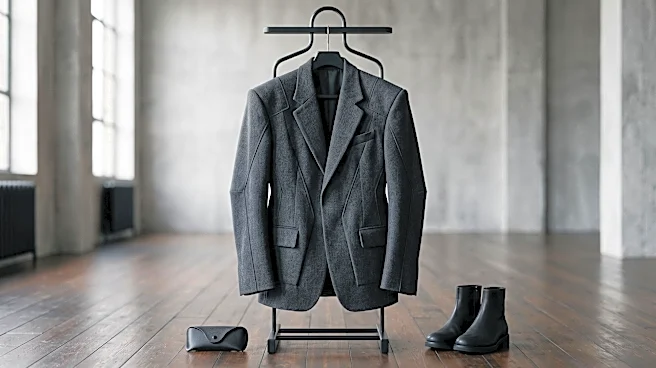
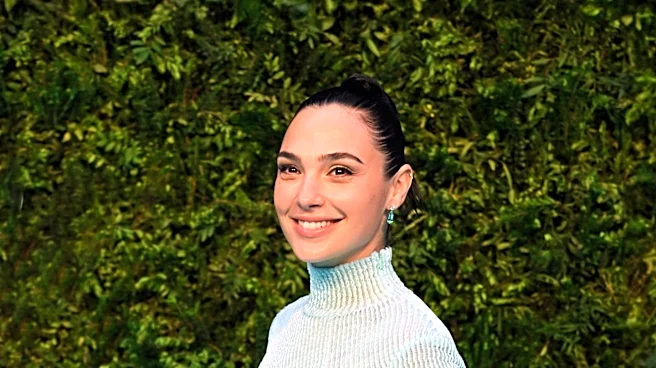
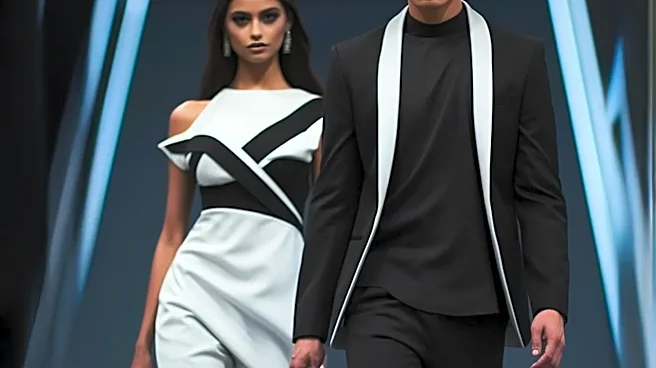
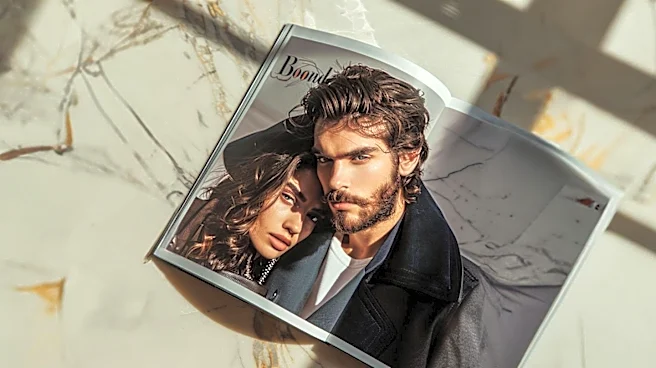
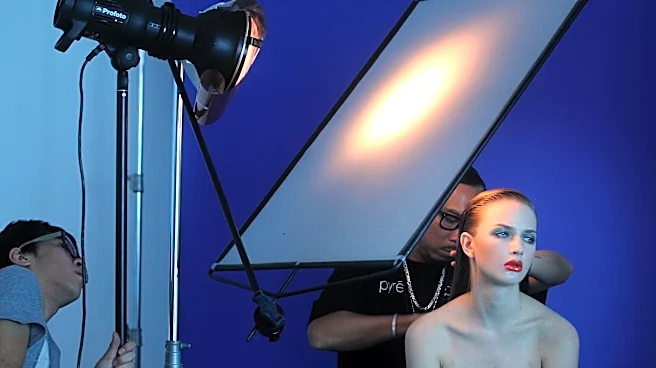
in fashion magazines, online publications, and advertising campaigns, aim to evoke emotion and create a specific mood. Editorial models collaborate extensively with photographers, stylists, and creative directors to produce visually striking content. Unlike commercial images, which are straightforward and product-focused, editorial images are high-fashion and concept-driven, emphasizing the artistic essence of fashion. This approach allows for the elevation of fashion items by conveying a designer's vision and the intended narrative of a photoshoot. The process involves meticulous planning, including concept development, model casting, location scouting, and wardrobe selection, all geared towards creating compelling visual stories that engage viewers and highlight fashion as an art form.
Why It's Important?
The distinction between editorial and commercial fashion modeling is crucial for understanding the evolving landscape of the fashion industry. Editorial content, by prioritizing artistic expression, contributes significantly to brand identity and aesthetic storytelling, which can differentiate a brand in a saturated market. This focus on narrative over direct sales allows brands to build deeper connections with consumers by evoking emotions and creating aspirational imagery. For models, editorial work offers creative opportunities, networking benefits, and portfolio development, enhancing their careers beyond mere product display. The emphasis on collaboration among creative teams—photographers, stylists, and makeup artists—fosters innovation and pushes the boundaries of visual communication in fashion. This artistic approach helps maintain fashion's status as a cultural art form, influencing trends and perceptions, even as the industry navigates increasing commercial pressures.
What's Next?
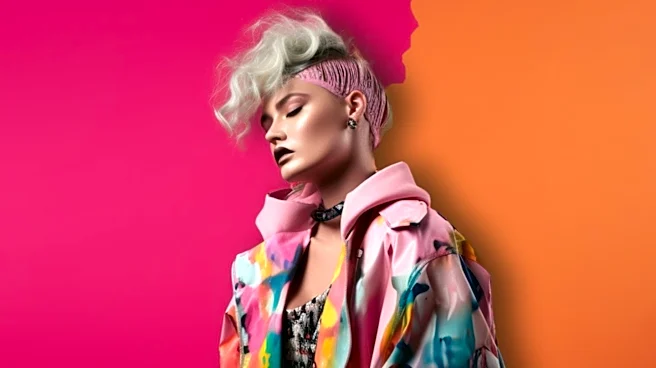
The future of fashion editorials is likely to see continued innovation in storytelling and visual presentation, potentially leveraging advanced technologies. The integration of AI-generated concepts, as seen in some experimental projects, suggests a future where creative boundaries are further expanded, allowing for imaginative compositions, lighting, and unexpected combinations. This could lead to more personalized and diverse editorial content, catering to niche audiences and exploring unconventional themes. As the industry continues to evolve, the role of editorial modeling will remain vital in shaping fashion narratives and influencing consumer perceptions, even as commercial aspects become more prevalent. The ongoing collaboration between models and creative teams, coupled with technological advancements, will drive the development of increasingly sophisticated and impactful fashion editorials.
Beyond the Headlines
The shift towards artistic expression in fashion editorials reflects a broader cultural appreciation for visual storytelling and authenticity. In an era dominated by direct-to-consumer marketing and influencer culture, editorial content provides a space for brands to communicate their values and aesthetic vision without overt commercialism. This approach can foster a sense of aspiration and exclusivity, which are powerful drivers in luxury and high-fashion markets. Ethically, the emphasis on artistic collaboration can empower models and creative professionals, allowing them to contribute meaningfully to the creative process rather than merely serving as conduits for product display. The long-term implication is a more nuanced and sophisticated fashion industry where art and commerce coexist, with editorial content serving as a critical bridge between creative vision and consumer engagement.