





What's Happening?
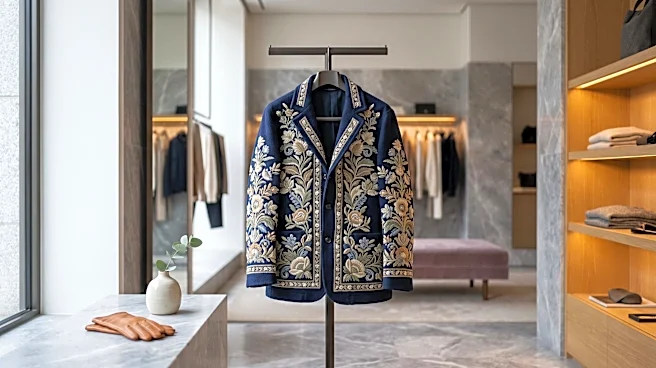
The RealReal, a prominent online luxury resale platform, is under fire after fashion influencer Jack Savoie exposed a misrepresentation in a recent purchase. Savoie bought an embroidered jacket advertised as 'Vintage — Unbranded' for $595. However, upon
receiving the item, he discovered it was neither vintage nor unbranded, identifying the manufacturer as Soft Surroundings, a contemporary brand. Furthermore, Savoie found the exact same coat available on Soft Surroundings' website for over $200 less. This incident has sparked criticism regarding the platform's authentication and labeling practices, particularly as the market for pre-loved and vintage fashion continues to grow. The RealReal has acknowledged the situation, stating they have a dedicated customer service team to address such issues and are committed to providing authentic luxury products.
Why It's Important?
This incident highlights critical issues within the burgeoning luxury resale market, particularly concerning authenticity, accurate labeling, and pricing transparency. For consumers, it underscores the risks associated with purchasing high-value items from online platforms, even those that claim rigorous authentication processes. The trust factor is paramount in the resale industry, and such controversies can erode consumer confidence, potentially impacting sales and the reputation of platforms like The RealReal. For the resale industry as a whole, it emphasizes the need for robust authentication protocols and clear definitions of terms like 'vintage' and 'archival' to prevent consumer deception. The growing demand for sustainable and pre-loved fashion relies heavily on the integrity of these platforms, and missteps can deter shoppers seeking ethical and value-driven purchases. This event could prompt other resale companies to re-evaluate and strengthen their verification procedures to maintain market credibility.
What's Next?
The RealReal will likely face increased scrutiny from consumers and potentially industry watchdogs regarding its authentication and labeling practices. The company has stated its commitment to addressing such issues and preventing future incidents, which may involve reviewing and enhancing its internal processes for verifying product descriptions and origins. Other luxury resale platforms may also take proactive measures to reinforce their authentication methods and improve transparency to avoid similar controversies. Consumers are expected to become more cautious and discerning when purchasing 'vintage' or 'unbranded' items from online resale sites, potentially leading to a demand for more detailed product information and clearer definitions from sellers. This incident could also fuel discussions within the fashion industry about standardized guidelines for classifying and marketing pre-owned garments.
Beyond the Headlines
The controversy surrounding The RealReal's mislabeled coat touches upon broader ethical and cultural implications within the fashion industry. The increasing popularity of 'vintage' and 'archival' fashion reflects a cultural shift towards sustainability and unique style, but it also creates a fertile ground for misrepresentation. The incident raises questions about the responsibility of platforms to educate consumers on the nuances between truly vintage, archival, and merely secondhand items. It also highlights the ethical dilemma of pricing, where a perceived 'vintage' status can significantly inflate an item's value, even if it's still readily available from its original retailer at a lower price. This event could contribute to a larger conversation about consumer protection in the digital marketplace and the need for greater accountability from platforms that position themselves as experts in authentication.