


What's Happening?
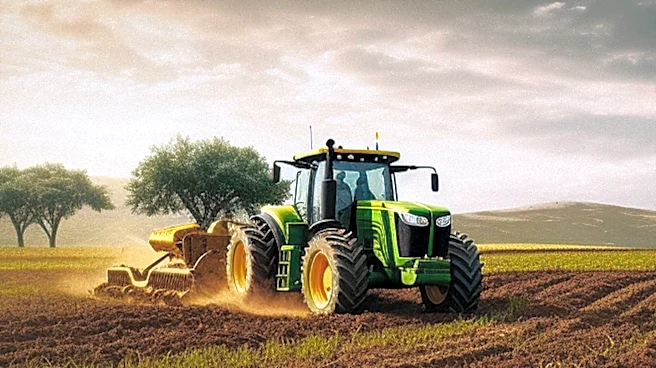
An AI-powered camera system, developed by Orchard Robotics, is being utilized in U.S. orchards and vineyards to gather extensive crop-level data. This system, weighing approximately five pounds, can be mounted on farm vehicles like tractors. As equipment
traverses crop rows, it captures millions of images that are then analyzed for various metrics including fruit counts, size, color, growth rates, canopy health, water stress, disease, and overall yield. The images are processed on an onboard NVIDIA Jetson computer, eliminating the need for large data uploads from areas with limited connectivity. The processed information is then transferred to the FruitScope platform, allowing growers to monitor conditions down to individual trees. According to founder and CEO Charlie Wu, this data enables growers to optimize labor allocation for tasks like pruning and thinning, integrate with precision sprayers, and send field instructions to workers via a mobile application. The technology, initially developed for apples, has expanded to include wine grapes, table grapes, cherries, blueberries, almonds, pistachios, and citrus, with ongoing development for other crops such as pomegranates, coffee, and strawberries.
Why It's Important?
This AI camera system is significantly impacting U.S. agriculture by enhancing efficiency and decision-making for growers. The primary benefit, as highlighted by Charlie Wu, is the reduction in labor and input costs, leading to a substantial return on investment. By providing precise data on fruit counts and health, farmers can allocate resources more effectively, minimizing waste and maximizing productivity. Furthermore, the system's ability to predict yield with over 95% accuracy is crucial for supply-chain planning. Accurate forecasts allow growers to better plan for labor requirements, bin procurement, storage, and sales programs, thereby streamlining operations from farm to market. This technological advancement helps U.S. agricultural businesses become more competitive and sustainable by optimizing resource utilization and improving overall crop management, addressing challenges related to labor availability and market demands.
What's Next?
Orchard Robotics is continuing to expand the application of its AI camera system to a wider variety of crops, with development underway for pomegranates, coffee, and strawberries. The company currently has hundreds of systems operating across tens of thousands of acres, primarily in the U.S., and is also expanding internationally. Growers can choose between self-service and full-service data collection options, with pricing based on an annual per-acre subscription that includes the software platform, unlimited scans, and access to the camera hardware. The frequency of scanning varies, with some growers conducting up to 25 scans per year, while the average is around ten scans per season. This ongoing expansion and adoption suggest a future where data-driven precision agriculture becomes a standard practice, further integrating AI into farm management and supply chain logistics across the U.S. and beyond.
Beyond the Headlines
The deployment of AI in U.S. orchards represents a broader shift towards smart agriculture, where technology plays a pivotal role in addressing complex challenges facing the food industry. Beyond immediate cost savings and yield prediction, this system contributes to environmental sustainability by enabling more precise application of water and other inputs, potentially reducing chemical usage and water waste. The detailed, tree-level data also offers insights into long-term crop health trends and disease prevention, fostering more resilient agricultural practices. This technological integration could also lead to new skill requirements for farm workers, emphasizing data analysis and tech operation, thereby transforming the agricultural labor landscape. The ability to track and analyze fruit characteristics down to individual trees could also pave the way for more specialized and higher-quality produce, potentially influencing consumer markets and preferences for sustainably grown products.