







What's Happening?
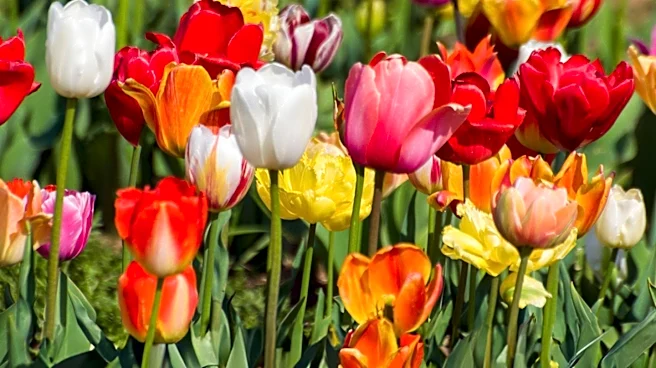
Colorado gardeners are advised on strategies to protect their tulip bulbs and emerging plants from deer and rabbits, which are common wildlife in the state. Tulips are particularly attractive to these animals due to their high sugar content. Recommendations
include planting tulips close to the house or within fenced areas to deter deer. Another effective method is interplanting tulips with bulbs that deer find distasteful, such as daffodils, alliums, or fritillaria, as their scent can encourage deer to move elsewhere. For squirrels and rodents, physical barriers like chicken wire or hardware cloth laid over planted beds are suggested to prevent digging. These measures are crucial for successful tulip cultivation in Colorado's diverse wildlife environment.
Why It's Important?
Protecting tulips from wildlife is important for gardeners in Colorado to ensure successful blooms and prevent financial losses from damaged plants. Wildlife damage can be a significant deterrent for individuals interested in gardening, impacting local aesthetics and personal enjoyment. Implementing effective deterrents helps maintain biodiversity by allowing both cultivated plants and local wildlife to coexist without excessive conflict. For the broader community, successful gardening contributes to green spaces and enhances the visual appeal of neighborhoods. These practices also promote sustainable gardening by reducing the need for replanting and encouraging the use of natural deterrents over potentially harmful chemical solutions, fostering a more harmonious relationship with the local ecosystem.
What's Next?
Colorado gardeners will continue to implement and adapt these protection strategies as they plant tulips in the fall. Ongoing observation of wildlife behavior and the effectiveness of different deterrents will inform future gardening practices. Research into new, environmentally friendly methods for wildlife control may also emerge. Local gardening communities and extension services will likely continue to share best practices and innovative solutions for managing wildlife interactions. The success of these protective measures will directly impact the vibrancy of spring gardens across Colorado, influencing plant choices and landscaping decisions for residents in areas with high wildlife pressure.
Beyond the Headlines
The challenge of protecting garden plants from wildlife in Colorado highlights the broader issue of human-wildlife coexistence in increasingly developed areas. As urban and suburban areas expand into natural habitats, interactions between humans and animals become more frequent. This necessitates creative and sustainable solutions that respect both human interests and wildlife needs. The advice on interplanting and physical barriers reflects an ecological approach to gardening, promoting a balance rather than outright exclusion. This situation also underscores the importance of understanding local ecosystems and animal behaviors to develop effective, non-lethal management strategies, contributing to a more integrated and thoughtful approach to land use and environmental stewardship.