





What's Happening?
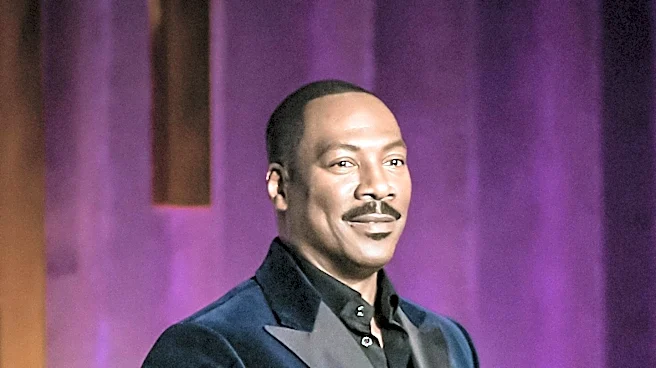
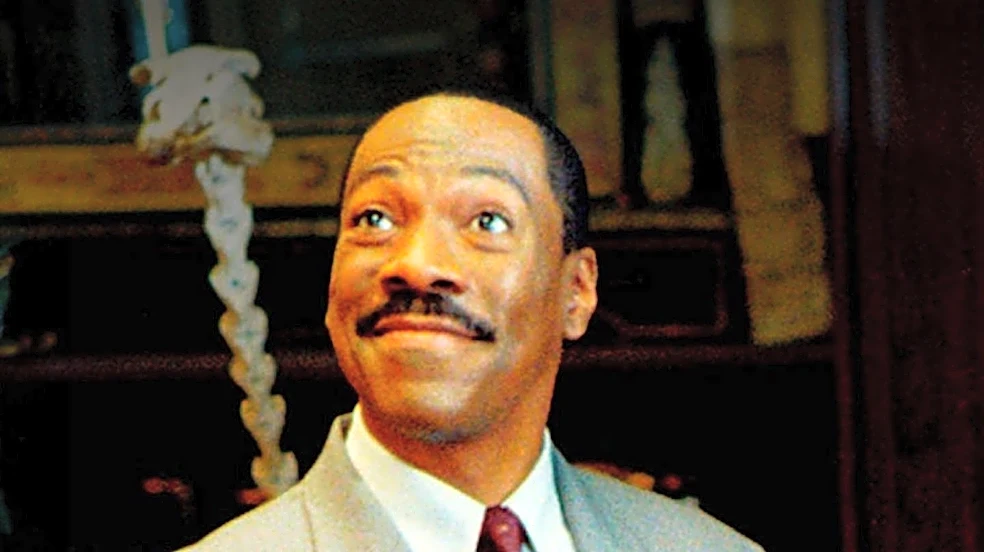
In 1989, acclaimed comedian and actor Eddie Murphy made his directorial debut with the film 'Harlem Nights.' Murphy not only starred in the movie but also took on roles as writer, director, and executive producer. The film, which featured a notable cast
including Richard Pryor, Danny Aiello, and Redd Foxx, transported viewers to 1910s-era New York. Despite grossing $60.9 million, the experience was largely negative for Murphy, who later admitted to the New York Times that he undertook the project for the 'wrong reason' and 'hated doing it throughout the whole trip.' This sentiment was echoed by critics, as the film earned him a 'Worst Screenplay' accolade from the Golden Raspberry Awards and a 'Worst Director' nomination. The critical reception and his personal dissatisfaction led Murphy to decide against directing any further films.
Why It's Important?
Eddie Murphy's experience with 'Harlem Nights' highlights the significant challenges and pressures associated with taking on multiple creative roles in film production, particularly for a prominent actor. His decision to step away from directing after this single attempt underscores the demanding nature of the craft and the potential for creative endeavors to fall short of expectations, even for established talents. This event serves as a cautionary tale within Hollywood, illustrating that success in one area of filmmaking does not automatically translate to proficiency in others. For the industry, it reinforces the value of specialized roles and the potential pitfalls of overextending creative control. For Murphy's career, it solidified his focus on acting and comedy, areas where he has consistently achieved critical and commercial success, ultimately shaping his trajectory as an entertainer.
What's Next?
Following his experience with 'Harlem Nights,' Eddie Murphy has consistently avoided directing, focusing instead on his acting, comedic performances, and voice-over work. This established pattern suggests that he is unlikely to return to the director's chair in the future. While 'Harlem Nights' initially received harsh criticism, it has, over time, garnered a cult following among comedy fans who appreciate its unique blend of crime, comedy, and period setting. This re-evaluation by a segment of the audience indicates that the film's legacy continues to evolve, even if Murphy himself remains disinclined to revisit directing. Future discussions of Murphy's career will likely continue to reference 'Harlem Nights' as a pivotal moment that defined his creative boundaries and reinforced his primary artistic contributions.
Beyond the Headlines
The 'Harlem Nights' episode in Eddie Murphy's career offers a deeper insight into the psychological and professional toll that creative endeavors can exact, especially when an artist attempts to master multiple disciplines simultaneously. Murphy's candid admission of disliking the directing process and acknowledging that it 'affected my performance' speaks to the intricate balance required in creative work. This situation also touches upon the broader industry trend where successful actors are often encouraged or feel compelled to explore directing, sometimes with mixed results. The film's eventual cult status, despite initial critical panning, also highlights the subjective and evolving nature of artistic appreciation, where a work initially deemed a failure can find an audience and relevance years later. This phenomenon underscores the idea that artistic merit is not always immediately recognized or universally agreed upon.