





What's Happening?
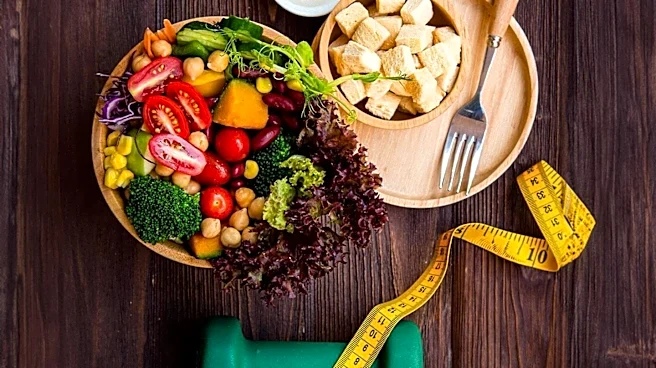
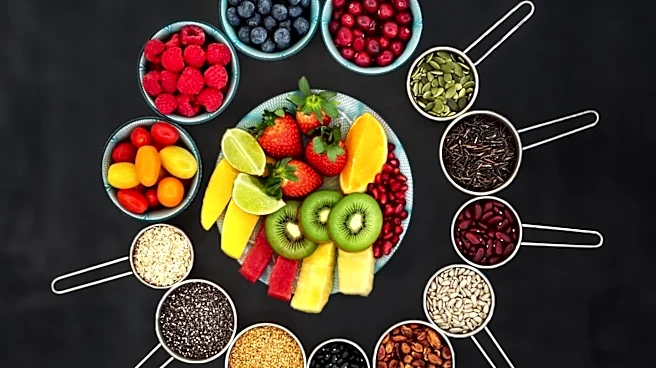
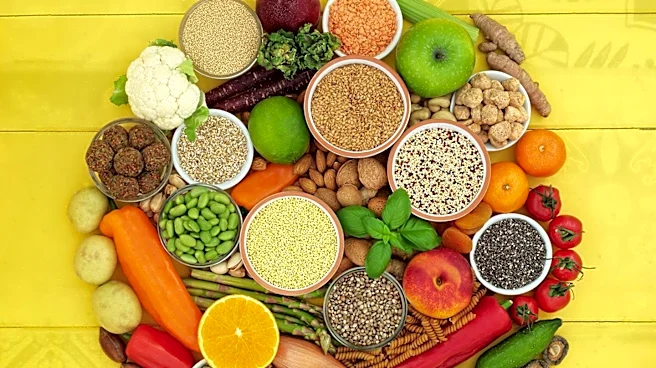
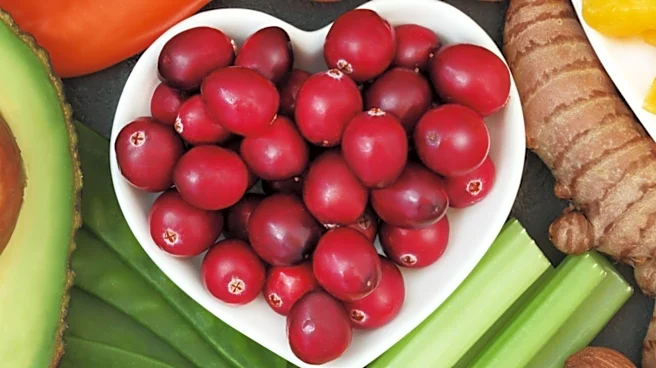
Incorporating more plant foods into daily meals can significantly improve gut health by providing essential fiber and polyphenols, which are crucial for a healthy microbiome. According to dietitians, these nutrients, found in berries, tea, and herbs,
help reduce inflammation and foster a balanced gut environment. Beyond diet, stress management plays a vital role; stress can lead to less nutritious food choices and negatively alter the gut microbiome. Physical activity, such as short walks after meals or yoga, also aids digestion by promoting movement within the digestive system. These lifestyle adjustments are highlighted as key strategies for maintaining optimal digestive health.
Why It's Important?
The emphasis on plant-based diets, stress reduction, and physical activity for gut health underscores a holistic approach to well-being that has broad implications for public health. A healthy gut microbiome is increasingly linked to overall health, influencing everything from immunity to mood. For individuals, adopting these practices can lead to improved digestion, reduced inflammation, and better nutrient absorption, potentially mitigating common digestive issues. For the healthcare industry, this highlights the growing importance of preventative care and lifestyle interventions over solely reactive treatments. The focus on accessible, natural methods also empowers individuals to take a more active role in managing their health, potentially reducing reliance on pharmaceutical solutions for digestive complaints.
What's Next?
As awareness of the gut-brain axis and the microbiome's role in health grows, further research is expected to refine specific dietary recommendations and stress management techniques for optimal gut health. Consumers may see an increase in plant-based food options and functional foods designed to support gut health. Healthcare providers may increasingly integrate nutritional counseling and stress-reduction strategies into treatment plans for various conditions. Public health campaigns could also emerge, promoting these lifestyle changes to a broader audience, aiming to improve overall population health and reduce the prevalence of diet- and stress-related illnesses. The trend suggests a continued shift towards personalized health approaches that consider individual microbiomes and lifestyle factors.
Beyond the Headlines
The interconnectedness of diet, stress, and physical activity with gut health reveals deeper insights into human physiology and well-being. This understanding challenges traditional views that often compartmentalize health issues, instead promoting a more integrated perspective. Ethically, it raises questions about food accessibility and the societal pressures that contribute to stress, highlighting disparities in health outcomes. Culturally, there's a growing movement towards mindful eating and holistic wellness, reflecting a desire for more natural and sustainable health practices. Long-term, this could lead to significant shifts in agricultural practices, food production, and urban planning, as societies increasingly prioritize environments and lifestyles that support gut health and overall human flourishing.