







What's Happening?
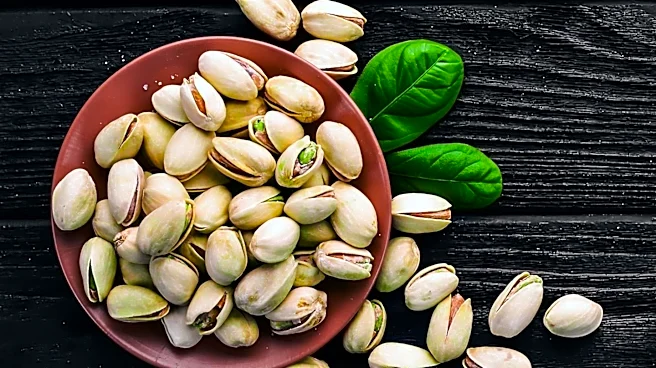
Pistachios, known for their fiber content, are being investigated for their potential role as a mild prebiotic, a food that nourishes beneficial gut microbes. Each ounce of pistachios contains three grams of fiber, including fermentable types that serve
as fuel for colon bacteria. Early research, specifically one small controlled-feeding study, indicated that individuals who consumed pistachios daily for several weeks experienced an increase in butyrate-producing gut bacteria. These bacteria are crucial for fermenting fiber into short-chain fatty acids (SCFAs), which are compounds that nourish the cells lining the colon and are being studied for their roles in inflammation and metabolic health. The study suggested that this effect was more pronounced with pistachios compared to almonds. However, researchers caution that this was a small, short-duration trial, and microbiome science is rapidly evolving, so these findings are considered an intriguing lead rather than an established benefit.
Why It's Important?
The potential for pistachios to act as a prebiotic is significant for public health and the food industry in the U.S. As consumer awareness of gut health grows, foods with prebiotic properties are gaining popularity. If further research confirms pistachios' prebiotic benefits, it could position them as a valuable functional food, driving increased demand and potentially influencing dietary recommendations. For individuals, incorporating pistachios into their diet could offer a simple and enjoyable way to support gut health, which is increasingly linked to overall well-being, immunity, and even mental health. This could also spur innovation in the food industry, leading to new pistachio-based products or the inclusion of pistachios in other health-focused foods. Furthermore, understanding how specific foods like pistachios influence the gut microbiome could contribute to more personalized nutritional strategies for managing various health conditions.
What's Next?
Future research will likely focus on larger, longer-duration clinical trials to definitively establish the prebiotic effects of pistachios and their impact on human gut health. These studies would aim to confirm the increase in beneficial bacteria, measure the production of SCFAs, and assess the broader health implications, such as effects on inflammation, metabolic markers, and digestive comfort. Researchers may also compare pistachios with other known prebiotics to understand their relative efficacy. If the benefits are substantiated, dietary guidelines might eventually include specific recommendations for pistachio consumption to support gut health. The food industry could also invest in research and development to highlight these benefits in marketing and product formulation, potentially leading to a wider array of pistachio-enhanced foods and beverages aimed at the health-conscious consumer.
Beyond the Headlines
The exploration of pistachios as a prebiotic food highlights a broader scientific shift towards understanding the intricate relationship between diet, the gut microbiome, and human health. This goes beyond simply identifying 'healthy' foods to understanding the specific biochemical interactions that occur within the digestive system. The focus on butyrate-producing bacteria and short-chain fatty acids underscores the importance of microbial metabolites as key mediators of health. This area of research could eventually lead to highly personalized dietary interventions based on an individual's unique microbiome composition. Furthermore, it emphasizes the concept of food as medicine, where everyday dietary choices can have profound effects on physiological processes. The ongoing discoveries in microbiome science suggest a future where dietary advice is not just about macronutrients and micronutrients, but also about cultivating a diverse and healthy internal ecosystem through specific food choices, moving towards a more holistic and integrated view of nutrition and health.