




What's Happening?
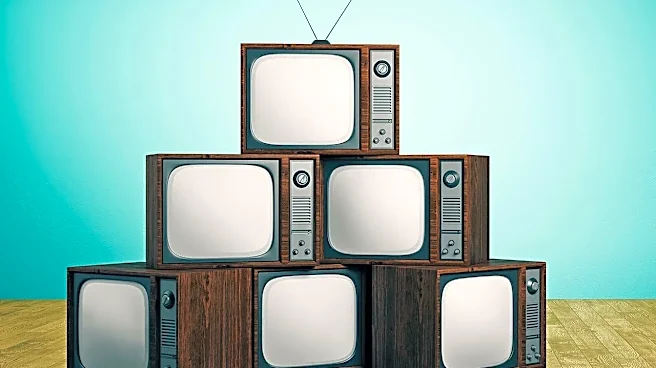
Business Insider is actively seeking nominations for the most innovative influencer marketers working for brands in 2026. This initiative comes as creator marketing has become a fundamental component of brand strategies, with audiences increasingly shifting
from traditional linear television to social media platforms like YouTube and TikTok. Projections indicate a significant increase in U.S. ad spending in this category, estimated to reach $44 billion in 2026, up from $37 billion in 2025, according to a report by the Interactive Advertising Bureau. Brands are demonstrating increased creativity and sophistication in their collaborations with creators. Examples include Gap's partnerships with creators like Julia Huynh and the global pop group Katseye for apparel promotion, and State Farm's engagement with Gen Z through top streamers like Kai Cenat for its 'Gamerhood' reality TV competition. Business Insider is looking for professionals who directly oversee creator marketing efforts, have been in their roles for at least six months, and can demonstrate tangible results and impact on their company's financial performance and the broader influencer space.
Why It's Important?
The growing investment in influencer marketing, as evidenced by the projected $44 billion in U.S. ad spending, underscores its critical role in contemporary brand strategy. This shift reflects a fundamental change in consumer behavior, particularly among younger demographics like Gen Z, who are heavily influenced by social media personalities and digital content. For brands, effective influencer marketing is no longer a niche tactic but a core driver of engagement, brand awareness, and sales. The recognition of top marketers in this field highlights the increasing professionalization and strategic importance of creator partnerships. It also signals a maturation of the industry, moving beyond simple endorsements to more integrated and innovative campaigns that leverage creators' authentic connections with their audiences. This trend impacts the advertising industry by reallocating budgets from traditional media to digital platforms, fostering new skill sets in marketing departments, and creating new opportunities for content creators and agencies specializing in this area.
What's Next?
The continued growth and evolution of influencer marketing suggest that brands will further integrate creators into their overall marketing strategies. We can expect to see more sophisticated and data-driven approaches to selecting influencers, measuring campaign effectiveness, and fostering long-term partnerships. The demand for skilled influencer marketers will likely increase, leading to specialized training programs and career paths within the advertising and marketing sectors. As the market matures, there may also be a greater emphasis on regulatory compliance and transparency in influencer disclosures, driven by consumer protection agencies. Furthermore, the innovative campaigns highlighted by Business Insider's nominations could inspire new creative formats and platforms for brand-creator collaborations, pushing the boundaries of digital advertising and audience engagement. The focus on Gen Z engagement indicates that brands will continue to tailor their strategies to reach younger, digitally native consumers through authentic and relatable content.
Beyond the Headlines
The rise of influencer marketing reflects a broader cultural shift towards decentralized media and personalized content consumption. It challenges traditional advertising models by leveraging trust and authenticity built between creators and their followers, often bypassing conventional gatekeepers. This phenomenon raises questions about the nature of celebrity, the ethics of sponsored content, and the impact of digital platforms on consumer decision-making. The emphasis on 'innovative' marketers suggests a continuous need for creativity and adaptation in a rapidly changing digital landscape, where trends and platforms evolve quickly. Moreover, the financial investment in this sector highlights the economic power of individual creators and the potential for new forms of entrepreneurship in the digital economy. This shift also has implications for media literacy, as consumers increasingly need to discern between organic content and paid promotions, fostering a more critical engagement with online information.