






What's Happening?
The global market for luxury wellness retreats is undergoing significant expansion, driven by a growing consumer demand for personalized, intentional, and enriching travel experiences. This trend emphasizes preventive healthcare, longevity programs, and holistic
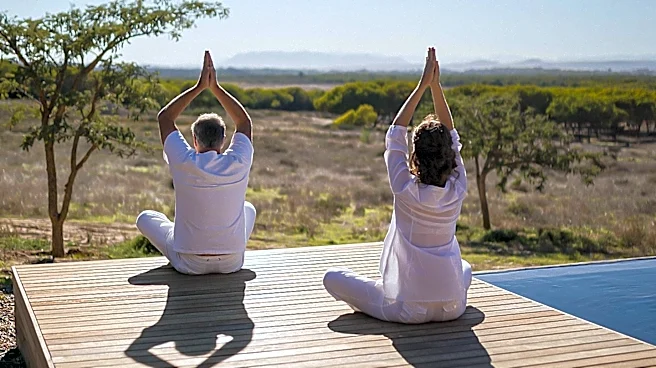
wellness therapies. Travelers are increasingly seeking destinations that offer more than just traditional vacations, opting instead for journeys focused on personal transformation and authentic connections. The Asia Pacific region, in particular, is seeing robust growth in this sector, with a projected Compound Annual Growth Rate (CAGR) of 8.8% from 2026 to 2034, potentially reaching USD 30 billion by 2034 from USD 14 billion in 2025. This market includes high-end wellness resorts, destination spas, Ayurveda retreats, meditation centers, medical wellness facilities, and nature-based luxury hospitality. Key services offered range from therapeutic massages and detoxification programs to yoga, nutritional counseling, and stress management.
Why It's Important?
This surge in luxury wellness tourism signifies a fundamental shift in consumer priorities, moving away from transactional travel towards experiences that enhance well-being and personal growth. For the U.S. hospitality and travel industries, this trend presents both opportunities and challenges. U.S.-based companies like Canyon Ranch, Marriott International, and Hyatt are already players in this global market, indicating a potential for increased investment and expansion in luxury wellness offerings within the United States. The emphasis on preventive healthcare and longevity programs could also influence the U.S. healthcare sector, fostering collaborations between medical professionals and wellness retreat providers. Furthermore, the demand for specialized services like AI-supported health assessments and personalized nutrition programs could spur innovation in health technology and personalized care, impacting how wellness is approached across various industries.
What's Next?
The luxury wellness retreat market is expected to continue its rapid growth, with further integration of advanced diagnostics, digital wellness monitoring, and longevity-focused therapies. This will likely lead to the development of more specialized retreats, such as those focusing on specific health conditions or advanced anti-aging protocols. Investment in exclusive wellness resorts, particularly in regions like Southeast Asia, is anticipated to increase. For U.S. consumers, this means a wider array of sophisticated wellness options, potentially including more accessible domestic luxury wellness experiences. The industry will also need to address challenges such as high investment requirements, the shortage of qualified wellness practitioners, and maintaining consistent service quality to sustain this growth.
Beyond the Headlines
The rise of luxury wellness retreats reflects a broader societal trend towards prioritizing self-care, mental health, and holistic well-being in an increasingly demanding world. This shift has ethical implications regarding accessibility, as these high-end experiences are often exclusive to affluent populations, potentially widening the gap in health and wellness opportunities. Legally, the integration of medical wellness treatments and traditional healthcare services within these retreats may necessitate new regulatory frameworks to ensure safety and efficacy. Culturally, the adoption of practices like Ayurveda and traditional Chinese medicine in Western luxury settings highlights a growing global exchange of wellness philosophies, prompting a re-evaluation of conventional health paradigms and a greater appreciation for diverse healing traditions.