

What's Happening?
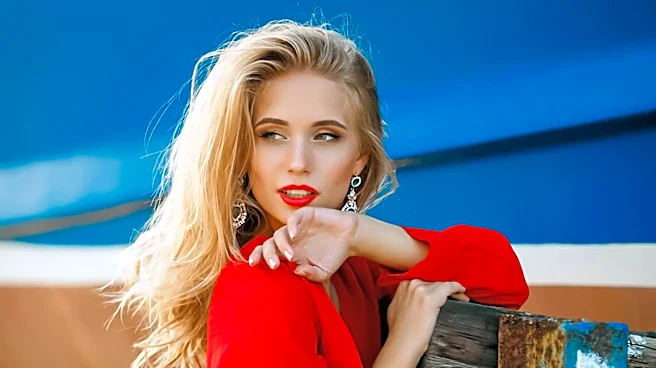
The 'mob wife' aesthetic is emerging as a prominent fashion trend, characterized by luxurious and bold style choices. This aesthetic frequently incorporates elements such as fur, animal prints, and conspicuous gold jewelry. It draws inspiration from characters
depicted in mob-related media, aiming to blend glamour with a sense of power and opulence. This trend is part of a broader movement in fashion that is driven by nostalgia, which also includes styles like 'coastal grandmother' and 'nonnamaxxing.' While 'coastal grandmother' emphasizes a softer, slower lifestyle with linen, knitwear, and natural tones, the 'mob wife' aesthetic presents a contrasting image of overt luxury and confidence. The rapid rise and fall of such microtrends are often accelerated by social media platforms, where styles gain widespread visibility through popular creators and quickly disseminate across user feeds.
Why It's Important?
The rise of the 'mob wife' aesthetic highlights the significant influence of social media on contemporary fashion trends and consumer behavior. These microtrends, which gain rapid popularity and often fade just as quickly, can drive increased consumption, particularly within the fast fashion industry. Consumers are incentivized to purchase new items to keep up with fleeting styles, potentially leading to overconsumption and environmental concerns. This phenomenon also reflects a cultural shift where fashion is increasingly used to express specific personas or narratives, moving beyond mere clothing to embody a lifestyle or attitude. The aesthetic's emphasis on luxury and boldness could also influence design choices in the broader fashion industry, potentially leading to a resurgence of opulent materials and statement accessories in mainstream collections. Furthermore, the trend's connection to 'mob-related media' suggests a fascination with powerful, often rebellious, female archetypes, which can have broader implications for how femininity and power are portrayed and consumed in popular culture.
What's Next?
The trajectory of the 'mob wife' aesthetic will likely follow the typical pattern of social media-driven microtrends. Its popularity may continue to surge in the short term, influencing fashion retail and marketing strategies as brands attempt to capitalize on its appeal. However, given the rapid cycle of such trends, it is also likely to be supplanted by a new aesthetic in the near future. Fashion commentators and influencers will continue to dissect and promote new styles, constantly shifting consumer focus. There may also be discussions regarding the sustainability of such fast-paced trend cycles and their impact on ethical consumption. Designers might integrate elements of this aesthetic into their upcoming collections, but the full-blown 'mob wife' look may soon evolve or be replaced by another nostalgic or character-driven style. Consumers might also begin to integrate specific elements of the 'mob wife' aesthetic into their personal style rather than adopting the entire look, leading to a more nuanced and personalized interpretation of the trend.
Beyond the Headlines
Beyond its immediate fashion implications, the 'mob wife' aesthetic touches upon deeper cultural and psychological aspects of identity and aspiration. The adoption of such a distinct persona through clothing can be seen as a form of escapism or empowerment, allowing individuals to project an image of strength and affluence. This trend, alongside others like 'coastal grandmother,' suggests a societal yearning for defined roles and aesthetics in an increasingly fluid world. It also raises questions about authenticity in fashion, as individuals adopt styles that are often curated and amplified by algorithms rather than organically developed. The aesthetic's association with 'mob' culture, while fictionalized, could also subtly reflect societal attitudes towards power, wealth, and rebellion. The rapid consumption fueled by these trends also highlights the ethical dilemmas of fast fashion and the environmental footprint of constantly chasing new looks, prompting a reevaluation of sustainable practices within the industry and among consumers.