






What's Happening?
Country artist Charley Crockett has publicly stated he has lost significant respect for Jack White following White's decision to offer a support slot to the band Twin Temple. This development stems from an earlier incident where Crockett removed Twin Temple from his tour,
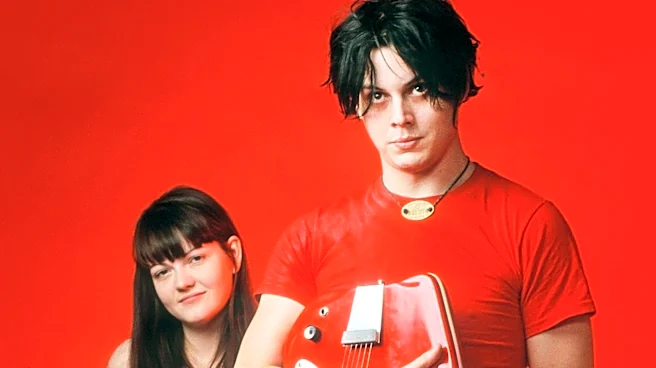
initially citing their 'Satanic imagery.' However, Crockett later clarified that the removal was due to production requests that could not be accommodated and a general 'vibe' unsuitable for all-ages audiences, not solely the Satanic imagery. He accused Twin Temple of misrepresenting the situation to promote their new album. White subsequently invited Twin Temple to open for him, prompting Crockett to criticize White for using the controversy to sell tickets and questioning White's past political outspokenness during his time with The White Stripes. White responded by denying he is a practicing Catholic or Christian and stating he is not afraid of Satanic imagery, encouraging individuals to find their own spiritual path.
Why It's Important?
This public disagreement highlights the evolving dynamics within the music industry regarding artistic expression, religious themes, and commercial interests. The controversy underscores the challenges artists face in managing public perception and media narratives, especially when sensitive topics like religious imagery are involved. For Jack White, his response clarifies his personal stance on religion, potentially influencing how his artistic choices are perceived by fans and critics. For Charley Crockett, his comments reflect a concern about the authenticity of artistic motives and the commercial exploitation of disputes. The incident also brings to light the role of media in shaping public discourse around such events, with Crockett specifically criticizing how the media handled the initial story for 'clickbait traffic.' This situation could influence how artists approach collaborations and public statements in the future, particularly concerning potentially controversial acts.
What's Next?
The immediate aftermath of this exchange may see continued discussion among fans and within music circles regarding the artists' statements and the broader implications for artistic freedom and commercialism. Jack White is scheduled to embark on a UK and Ireland tour, followed by a North American leg, where the presence of Twin Temple as an opener, or the discussion around it, might continue to be a talking point. Charley Crockett's tour is also ongoing, and he may face further questions about his stance on artistic collaborations and his criticisms of other musicians. The incident could also prompt other artists to be more cautious or deliberate in their public endorsements or criticisms, especially concerning bands with provocative imagery. The music industry may observe how this public spat affects ticket sales or public image for both artists involved.
Beyond the Headlines
This dispute delves into deeper questions about artistic integrity versus commercial viability in the music industry. Crockett's accusation that White used the situation to 'sell tickets' touches on the ethical considerations of leveraging controversy for financial gain. Furthermore, Crockett's questioning of White's past political silence with The White Stripes raises a broader discussion about when and how artists choose to engage with political or social issues, and whether such engagement is perceived as genuine or opportunistic. White's declaration about his personal spiritual beliefs, or lack thereof, challenges conventional expectations placed on public figures regarding their faith. The incident also reflects a cultural tension between traditional values and more avant-garde or provocative artistic expressions, particularly in a country with diverse religious and cultural viewpoints. This could contribute to ongoing debates about censorship, artistic boundaries, and the responsibility of artists to their audience.