


What's Happening?
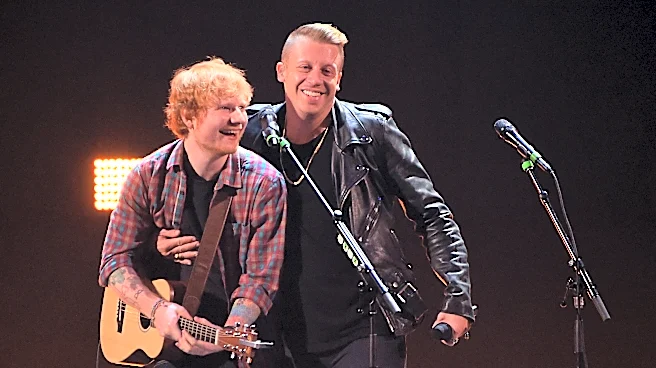
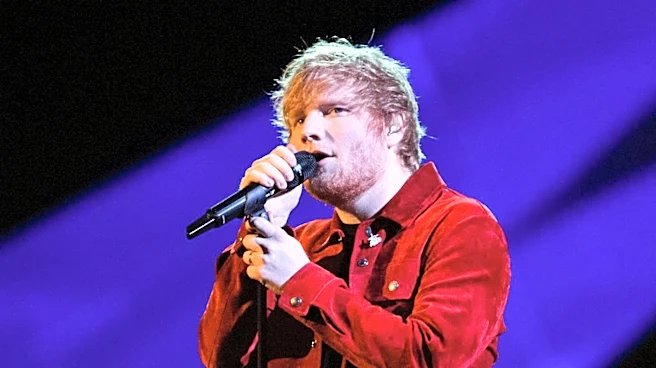
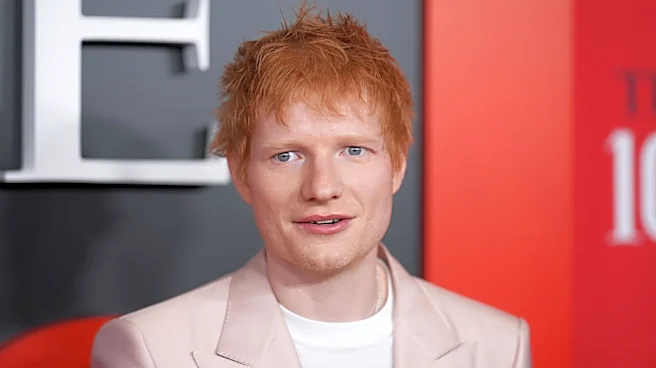
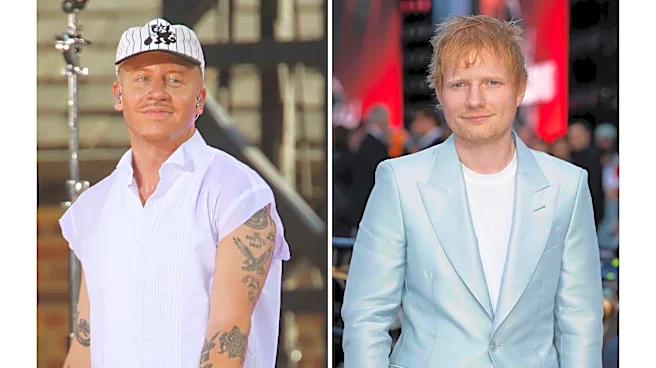
Ed Sheeran has issued a statement clarifying the circumstances surrounding Macklemore's removal from the remaining U.S. dates of his 'Loop Tour'. According to Sheeran, the decision to remove Macklemore was made by the tour promoter and venues, not by him.
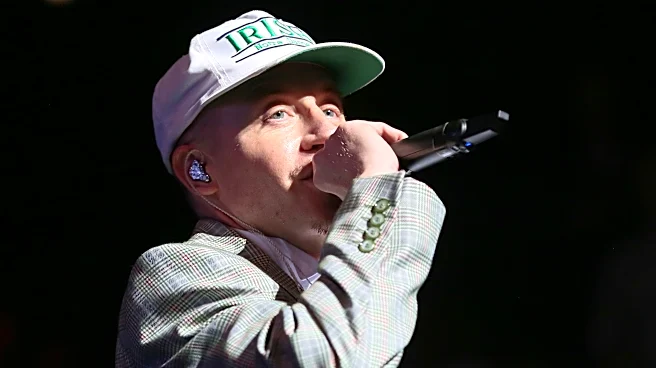
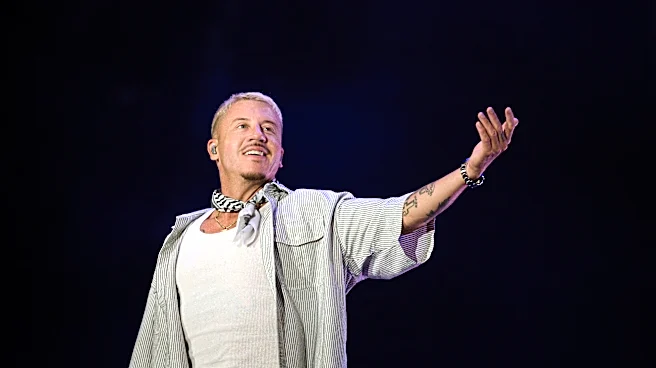
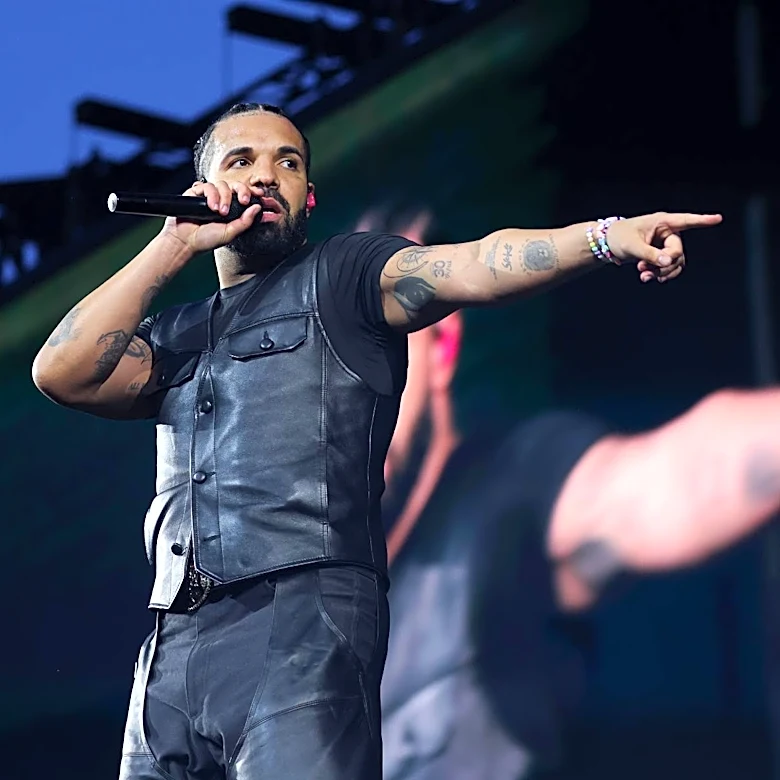
Macklemore was dropped after making pro-Palestinian comments during performances at MetLife Stadium in New Jersey. Sheeran stated that after these performances, venues for upcoming tour dates communicated that they would cancel shows if Macklemore remained on the lineup. He explained that Macklemore's contract was with the promoter, not directly with him. Sheeran also revealed that he engaged in discussions with venues, including Robert Kraft, and promoters, as well as activists from both sides, to find a resolution, but the decision to remove Macklemore was ultimately final. He emphasized his commitment to his fans and touring crew, stating he would not abandon them.
Why It's Important?
This event highlights the complex interplay between artistic expression, political commentary, and commercial interests within the entertainment industry, particularly in the U.S. The removal of Macklemore due to his pro-Palestinian comments underscores the sensitivity surrounding the Israeli-Palestinian conflict and its potential impact on public figures and events. It also brings to light the power dynamics between artists, promoters, and venue owners, where commercial viability and public perception can influence artistic freedom. For artists, it raises questions about the risks associated with using their platforms for political statements. For promoters and venues, it demonstrates the pressure they face to navigate controversial topics to ensure events proceed without disruption or backlash. The incident could set a precedent for how political stances are handled in future large-scale entertainment events in the U.S., potentially leading to more cautious approaches from all parties involved.
What's Next?
The immediate aftermath may involve continued public discussion and debate regarding freedom of speech in entertainment and the role of artists in political discourse. Macklemore may choose to address the situation further, potentially through new music or public statements, to elaborate on his perspective and the impact of his removal. Other artists might be prompted to either take a more definitive stance on political issues or, conversely, become more circumspect to avoid similar complications. The entertainment industry, including promoters and venue operators, may review their policies regarding political expression at events to prevent future conflicts. This incident could also influence how artists negotiate their contracts, potentially seeking clearer clauses regarding political speech. The broader public conversation around the Israeli-Palestinian conflict within the U.S. entertainment sphere is likely to continue, with this event serving as a significant point of reference.
Beyond the Headlines
This situation delves into the deeper implications of 'cancel culture' and the boundaries of free speech in commercial settings. While artists often use their platforms to advocate for causes, the financial and logistical pressures on promoters and venues can lead to decisions that prioritize business continuity over unfettered expression. The involvement of figures like Robert Kraft, a prominent sports team owner, suggests the influence of powerful individuals and their networks in shaping public discourse, even within the entertainment sector. This incident also touches upon the ethical dilemma faced by artists like Ed Sheeran, who must balance their personal views with their professional obligations and the expectations of a diverse audience. It raises questions about whether artists have a moral imperative to speak out on global issues, and the potential consequences when they do, or choose not to. The event could contribute to a broader re-evaluation of how political activism intersects with mainstream entertainment in the U.S.