



What's Happening?
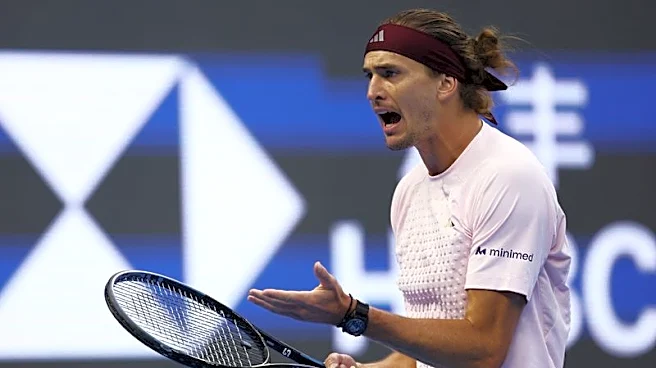
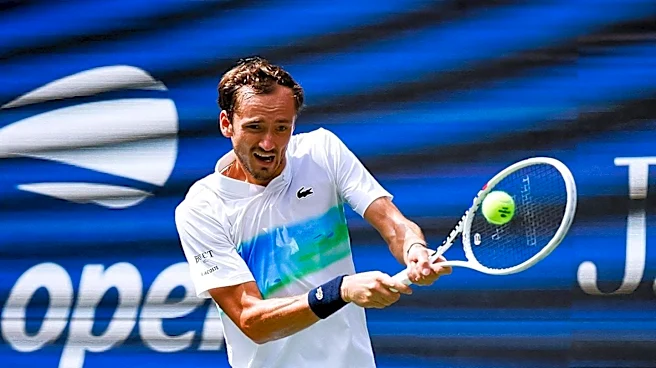
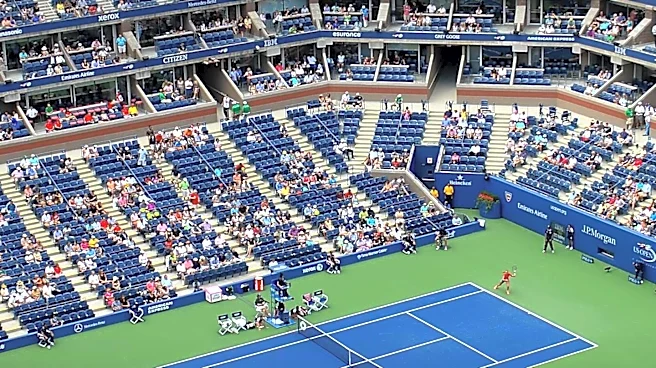
Tennis stars Alexander Zverev and Carlos Alcaraz have publicly defended the continuation of best-of-five set matches in Grand Slams, pushing back against calls to shorten them to best-of-three. The debate intensified after a U.S. Open quarterfinal match between
Alcaraz and Ben Shelton concluded at 3:33 AM New York time. Alcaraz stated that reducing the format would 'kill the Grand Slams,' emphasizing their unique historical significance. Zverev echoed this sentiment, highlighting that the five-set format is what distinguishes Grand Slams from other tournaments and makes winning them one of the hardest achievements in sports. He also dismissed the argument that shrinking attention spans among younger fans necessitate shorter matches, pointing to record viewership numbers at recent Australian and U.S. Opens as evidence of tennis's growing popularity. Zverev believes that the physical and mental endurance required for five-set matches is a core part of the sport's challenge and tradition.
Why It's Important?
The debate over match length in Grand Slams carries significant implications for the future of professional tennis, particularly in the U.S. market. Shorter matches could potentially attract new, younger audiences accustomed to short-form content, which might increase viewership and sponsorship opportunities. However, altering the traditional best-of-five format risks alienating long-time fans and diminishing the historical prestige and physical challenge that define Grand Slams. For U.S. tennis, which hosts one of the four Grand Slams, the U.S. Open, any change could impact its identity and appeal. Maintaining the current format preserves the epic narratives and endurance tests that have historically captivated audiences, while a shift could lead to a different, potentially less demanding, style of play. The financial impact on tournaments, broadcasters, and player endorsements could also be substantial, depending on how such a change affects overall engagement and revenue streams.
What's Next?
The discussion around the best-of-five set format is likely to continue within the tennis community, involving players, tournament organizers, and governing bodies. While top male players like Zverev and Alcaraz are firmly against changes, the conversation on the women's side appears to be moving in the opposite direction. Former Australian Open tournament director Craig Tiley suggested that women could play best-of-five sets from the quarterfinals onwards at Grand Slams, aiming to enhance the drama and physical challenge of women's matches. This indicates a potential divergence in format discussions between the men's and women's tours. Any formal changes would require extensive deliberation and agreement among various stakeholders, including the ATP, WTA, and the Grand Slam boards. The outcome will shape the competitive landscape and commercial appeal of major tennis events for years to come.
Beyond the Headlines
Beyond the immediate debate on match length, this discussion touches upon broader themes of tradition versus modernization in sports. The resistance from players like Zverev and Alcaraz highlights a desire to preserve the historical integrity and unique challenges of Grand Slams, which are seen as the pinnacle of the sport. The argument about shrinking attention spans also reflects a wider societal trend influenced by digital media and short-form content, prompting sports organizations to consider how to remain relevant to evolving audience habits. The potential introduction of best-of-five sets for women's matches, as suggested by Craig Tiley, could also have significant cultural and ethical implications, addressing issues of gender parity in sports and the perceived physical capabilities of female athletes. This could lead to a re-evaluation of how different genders are represented and challenged within professional tennis.