
What's Happening?
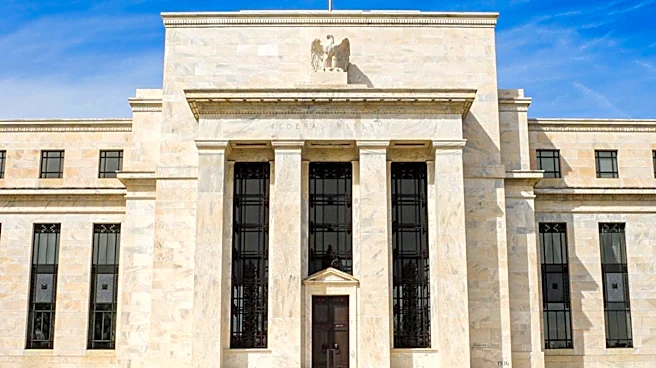
The Federal Reserve's anticipated interest rate hike in September is now uncertain following a disappointing July jobs report. The U.S. economy unexpectedly lost 23,000 jobs, leading to a shift in market expectations. Traders now anticipate that the Fed will
hold rates steady, with the probability of a rate hike dropping significantly. The labor market's weakness complicates the Fed's dual mandate of controlling inflation and maximizing employment. The central bank faces a challenging environment as it balances these objectives amid ongoing economic uncertainty.
Why It's Important?
The Fed's decision on interest rates has significant implications for the U.S. economy, affecting borrowing costs, consumer spending, and business investment. A pause in rate hikes could support economic growth by keeping borrowing costs low, but it may also allow inflation to persist. The Fed's actions are closely monitored by investors and policymakers, as they influence market stability and economic confidence. The upcoming Consumer Price Index report will be crucial in shaping the Fed's decision-making process, as it provides insights into inflationary pressures.
What's Next?
The Federal Reserve will closely monitor upcoming economic data, including the Consumer Price Index report, to assess inflation trends and their impact on monetary policy. The central bank's September meeting will be a key event, as it will provide further guidance on interest rate decisions. Market participants will also watch for any changes in the Fed's communication or policy stance, as these could signal shifts in the central bank's approach to balancing inflation control with economic growth.