


What's Happening?
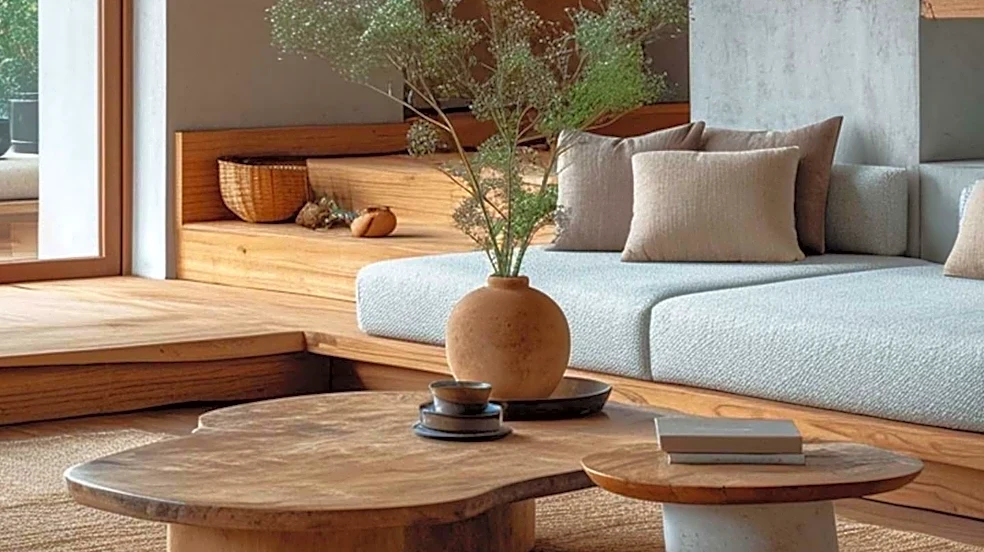
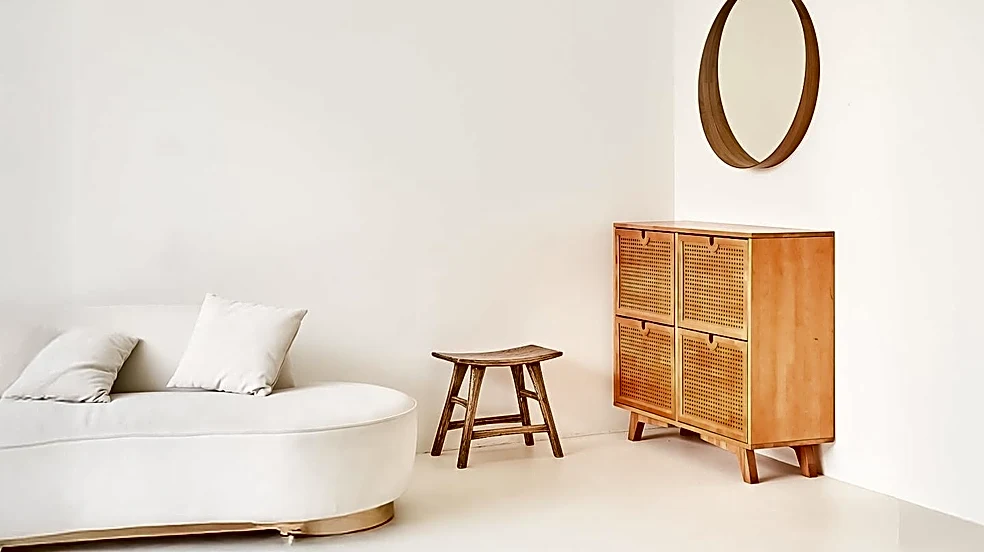
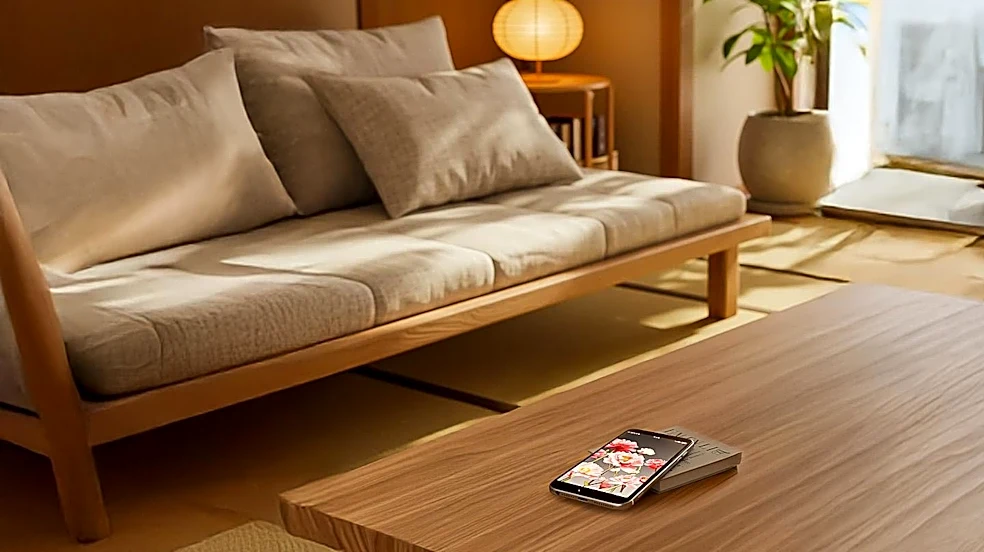
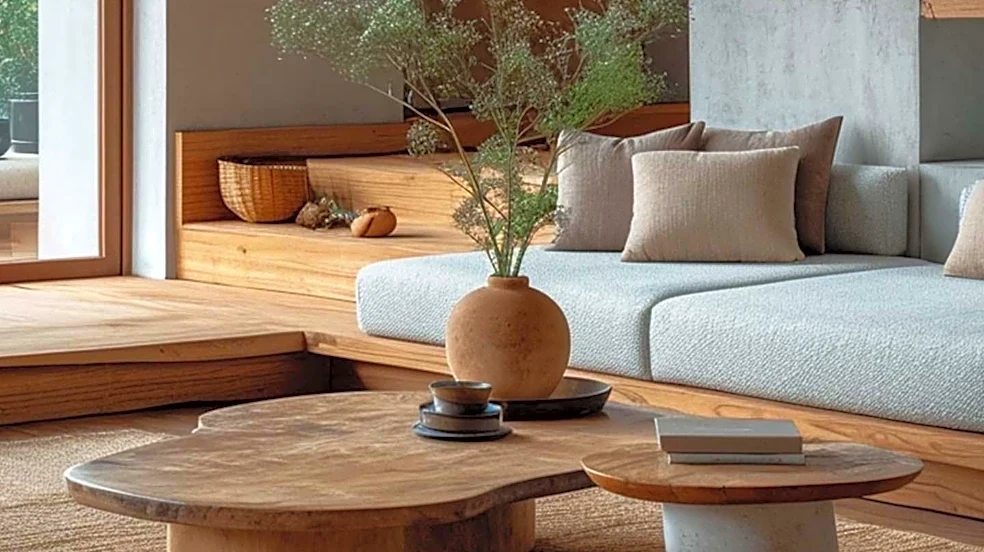
Japandi style is an emerging interior design aesthetic that combines the minimalist principles of Japanese design with the functional warmth of Scandinavian decor. This style emphasizes simplicity, natural materials, and a serene atmosphere, often utilizing
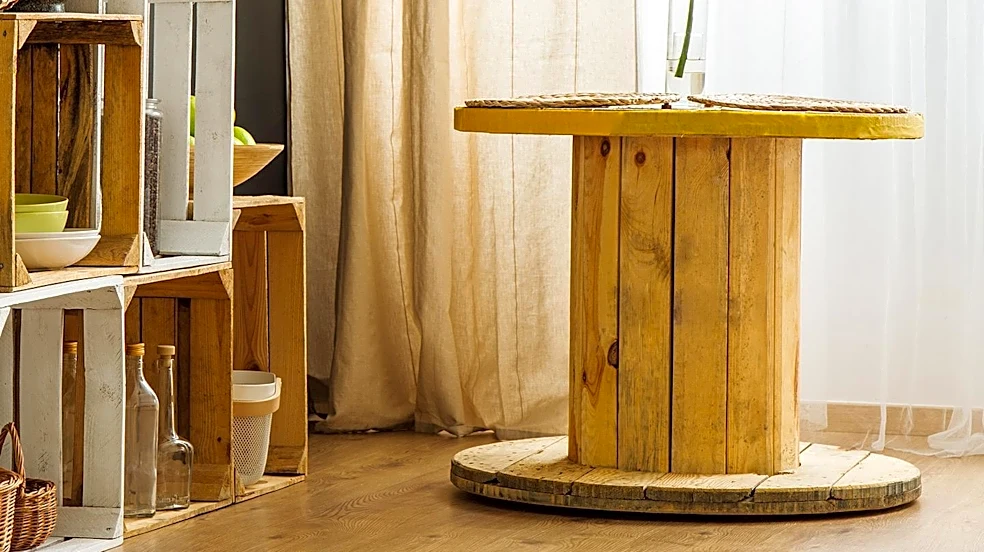
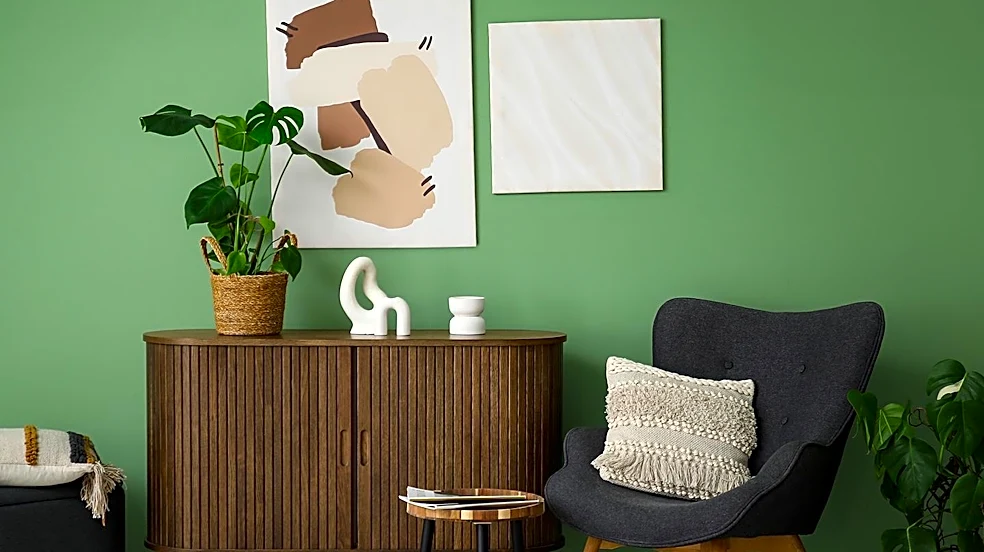
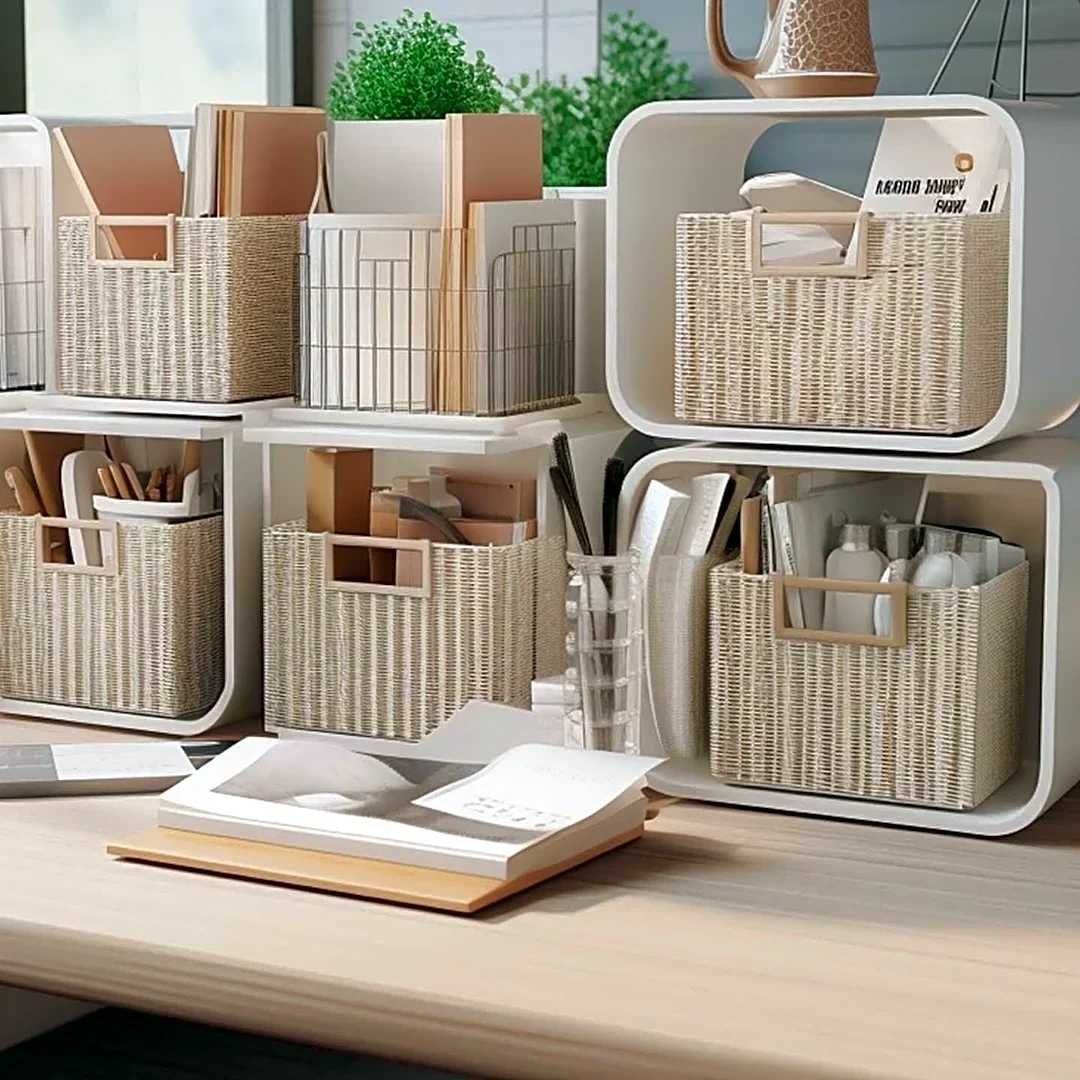
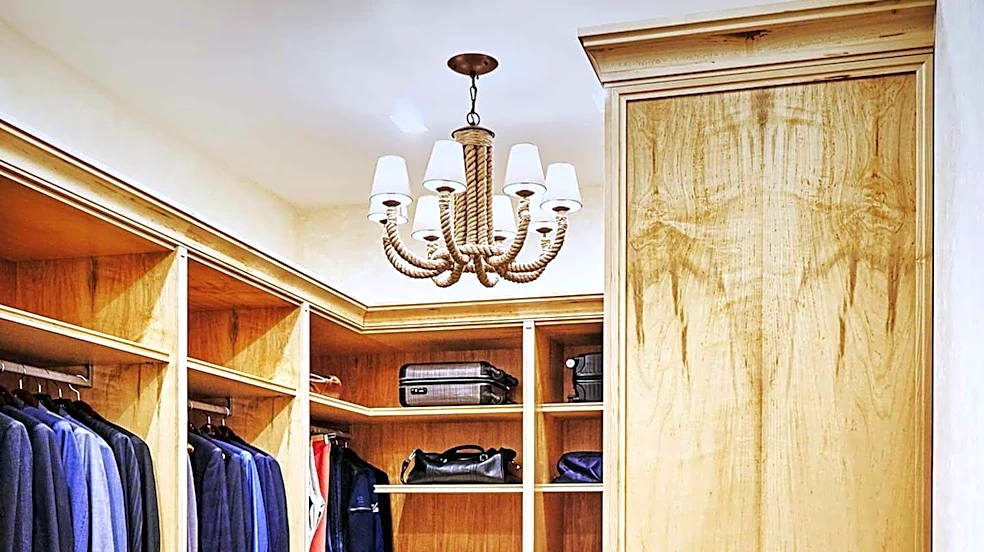
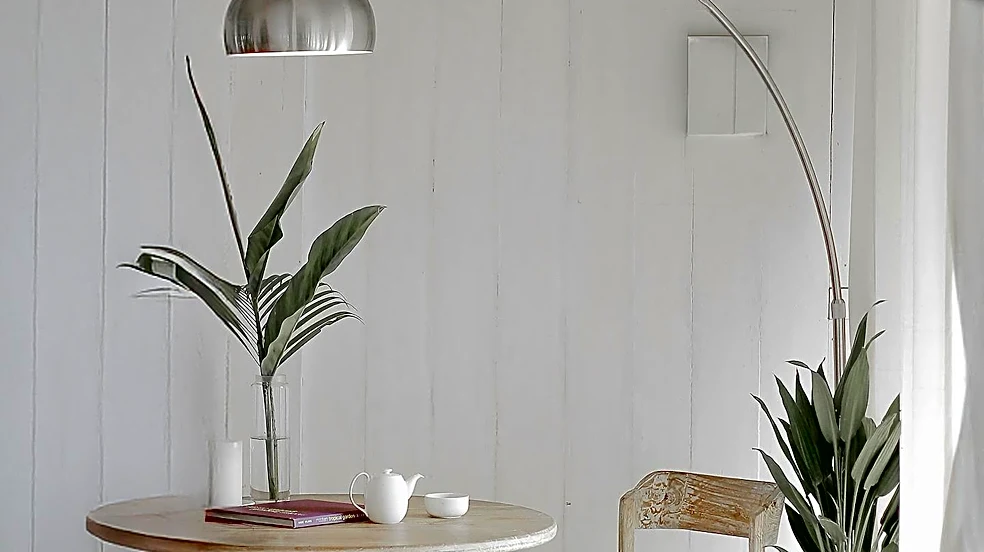
neutral color palettes such as whites, beiges, taupes, and soft grays. Key elements include clean lines in furniture, the integration of natural materials like wood, bamboo, and terracotta, and multi-functional furniture pieces that offer versatility and help maintain a clutter-free environment. The style also incorporates practical and stylish storage solutions and subtle decorative accents to complete the look. This design approach aims to create inviting and sophisticated spaces that prioritize calm and functionality.
Why It's Important?
The rise of Japandi style reflects a broader consumer trend towards mindful living and sustainable design. Its emphasis on natural materials and decluttered spaces aligns with growing preferences for environments that promote well-being and reduce stress. For the U.S. interior design and home furnishings industries, this trend signifies a shift in consumer demand, potentially leading to increased production and import of furniture and decor that fit this aesthetic. Businesses that adapt to offer Japandi-inspired products, characterized by their clean lines, neutral tones, and natural textures, stand to gain market share. This style also encourages a more thoughtful approach to consumption, favoring quality and longevity over transient trends, which could influence manufacturing practices and retail strategies.
What's Next?
As Japandi style gains traction, interior designers and furniture retailers are likely to further integrate this aesthetic into their offerings. We can expect to see more collections featuring minimalist designs, natural wood finishes, and neutral textiles. AI-powered design tools, which are already being used to visualize and restyle rooms in various aesthetics, will likely incorporate more sophisticated Japandi-specific algorithms to assist consumers and professionals. The style's focus on functionality and space optimization may also influence architectural trends, particularly in urban areas where efficient use of space is paramount. Educational resources and workshops on Japandi design principles could also become more prevalent, catering to both design professionals and DIY enthusiasts.
Beyond the Headlines
Beyond its aesthetic appeal, Japandi style embodies a philosophical approach to living that prioritizes harmony, balance, and connection with nature. It encourages a less-is-more mentality, fostering environments that are not only visually pleasing but also conducive to peace and productivity. This cultural fusion highlights a global appreciation for design principles that transcend geographical boundaries, demonstrating how different traditions can converge to create something new and resonant. The style's emphasis on natural materials also subtly promotes sustainability by encouraging the use of renewable resources and durable goods, potentially influencing consumer values towards more eco-conscious choices in home decor and beyond.