





What's Happening?
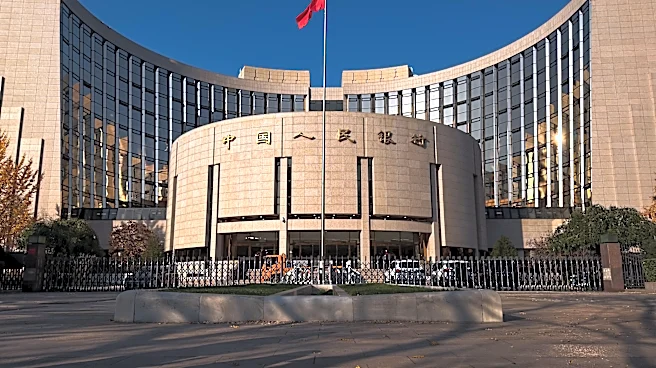
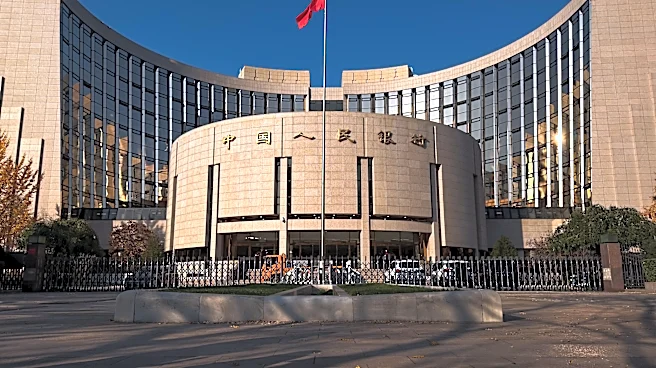
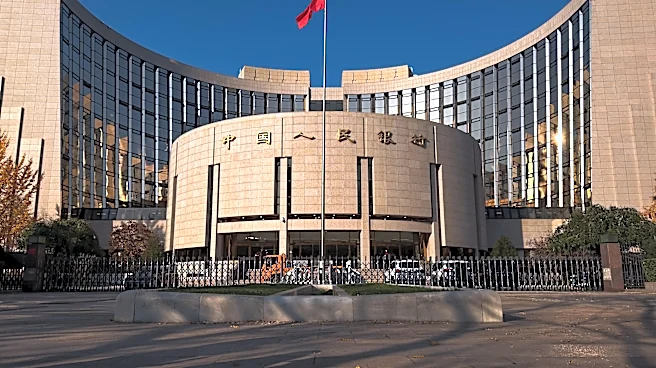
The People's Bank of China (PBC) has highlighted the Financial Street Forum as its primary channel for market communication, emphasizing its global influence and broad market reach. This information comes from an English-language webpage published by
the PBC, which serves as an overview rather than a formal policy document. The PBC also introduced a new publication series that compiles speeches and policy research papers on Central Bank Digital Currency (CBDC) from its management and staff. This initiative aims to share insights and research related to the development and implications of digital currencies. No new regulations, obligations, or effective dates were announced in this communication. The PBC's focus on these two areas underscores its efforts to engage with financial markets and advance its research in digital currency, particularly the e-CNY.
Why It's Important?
This development is important for several reasons, particularly for entities involved in banking, payments, fintech, digital currency, blockchain, and financial market infrastructure. The PBC's emphasis on the Financial Street Forum signals its preferred platform for conveying policy signals and engaging with global financial stakeholders. For market participants, monitoring speeches and discussions at this forum could provide crucial insights into China's monetary policy direction and financial regulatory landscape. The introduction of a CBDC publication series indicates the PBC's continued commitment to developing and understanding digital currencies. This research could influence future global standards and practices in digital finance, potentially impacting how international transactions are conducted and how central banks approach digital currency issuance. While no immediate actions are required, these signals suggest ongoing evolution in China's financial sector that could have broader implications for global financial stability and innovation.
What's Next?
Stakeholders should continue to monitor official communications from the People's Bank of China, particularly for formal regulations and implementing rules concerning the e-CNY/CBDC. Future publications from the Digital Currency Research Institute and expansions of pilot programs will be key indicators of the PBC's progress and strategic direction in digital currency. Additionally, transcripts of speeches from the Financial Street Forum should be closely analyzed for any policy signals or shifts in the PBC's stance on monetary policy and financial regulation. Other regulatory bodies, such as the National Financial Regulatory Administration (NFRA) and the China Securities Regulatory Commission (CSRC), may issue accompanying rules related to payments and financial infrastructure. Furthermore, the Cyberspace Administration of China (CAC) could introduce data and cross-border data rules that are relevant to digital currency operations, which will require careful attention from businesses operating in or with China.
Beyond the Headlines
Beyond the immediate policy signals, the PBC's proactive communication strategy through platforms like the Financial Street Forum and its dedicated CBDC publication series reflects a broader trend of central banks engaging more directly with the public and market participants on complex financial innovations. This transparency, even if limited, can help shape global discourse around digital currencies and potentially influence international regulatory frameworks. The focus on CBDC research also highlights the ongoing geopolitical competition in financial technology, where nations are vying for leadership in digital payment systems. The long-term implications could include a shift in global financial architecture, with digital currencies potentially altering traditional banking models, cross-border payment mechanisms, and even the role of reserve currencies. Ethical considerations around data privacy and surveillance in a CBDC-dominated financial system will also become increasingly prominent as these technologies mature.