






What's Happening?
The New York Historical Society has unveiled a new exhibition titled “You Should Be Dancing: New York, 1976 and Beyond,” which explores the emergence and impact of punk, disco, and hip hop in New York City during the 1970s. The exhibition, running through
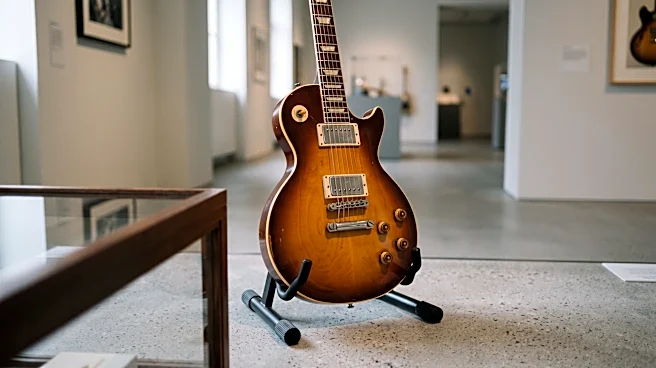
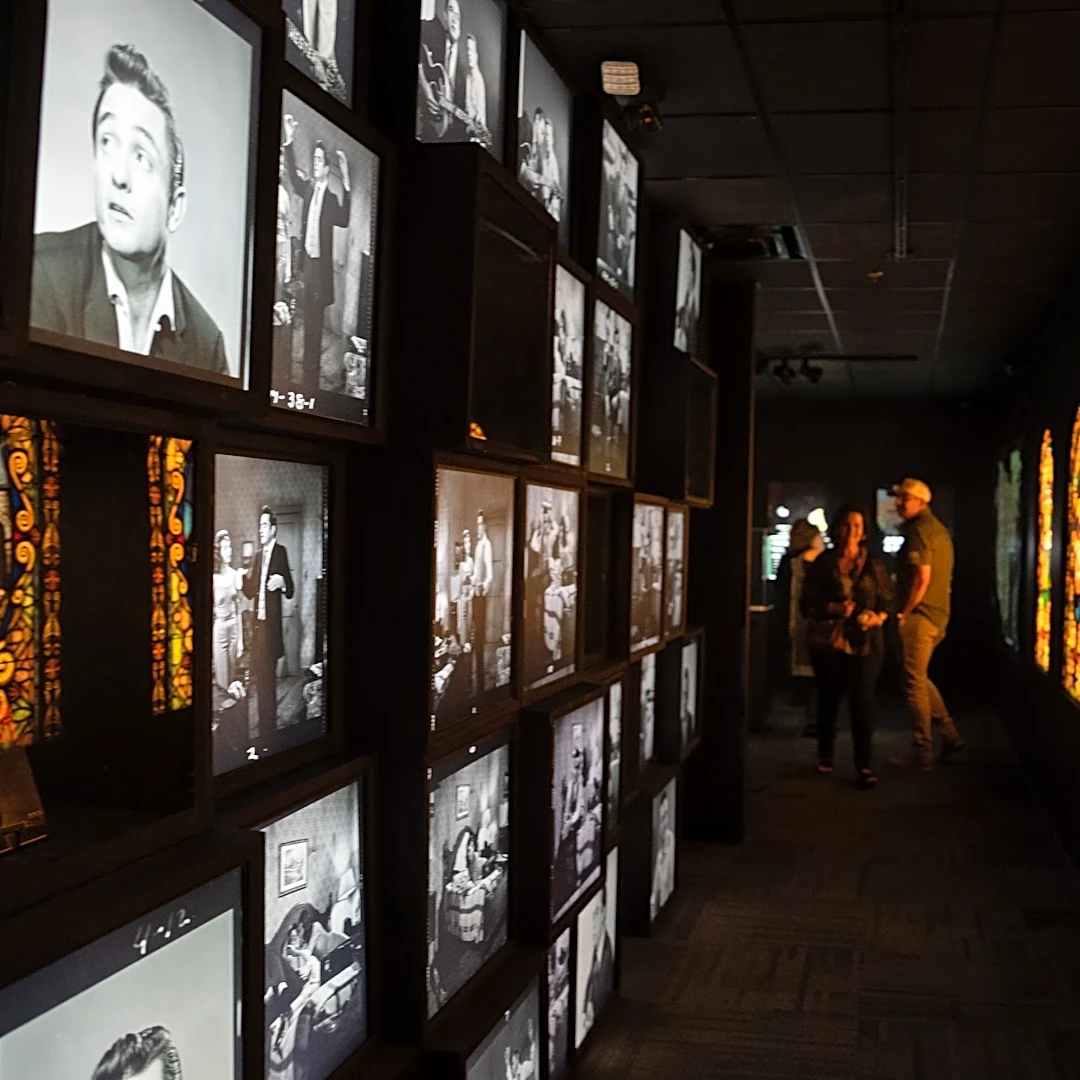
April 4, 2027, showcases how the city, amidst a financial crisis, fostered a new generation of creativity. It features a collection of musical instruments, performance gear, fashion items, photographs, albums, flyers, and posters, designed to evoke the atmosphere of the era's clubs and gathering places. Visitors can view artifacts such as a Fender signed by Dee Dee Ramone, a dress shirt worn by Patti Smith, and original cover art for Punk Magazine. The exhibition also includes footage of iconic bands like the Ramones and Talking Heads, and music clips from the Velvet Underground and the New York Dolls. It delves into the origins of disco, influenced by soul, funk, and Latin rhythms, and the rise of hip hop in the Bronx, highlighting personal items from DJs like Grandmaster Flash and DJ Kool Herc. The exhibition aims to illustrate the lasting influence of this period on American culture.
Why It's Important?
This exhibition is important as it provides a comprehensive look at a pivotal decade in American cultural history, specifically how New York City became a crucible for groundbreaking music genres that continue to resonate globally. The 1970s in New York were marked by significant social and economic challenges, including the city's near-bankruptcy. The exhibition demonstrates how, despite these adversities, the city's vibrant artistic community thrived, giving birth to punk, disco, and hip hop. These genres not only transformed the music landscape but also reflected and shaped broader societal trends, influencing fashion, dance, and youth culture. Understanding this period offers insights into the resilience of urban creativity and the power of music as a catalyst for cultural change. The display of original artifacts and historical footage provides a tangible connection to the artists and movements that defined this era, offering educational value and a deeper appreciation for the roots of contemporary music.
What's Next?
The exhibition “You Should Be Dancing: New York, 1976 and Beyond” will remain open to the public through April 4, 2027, offering an extended opportunity for visitors to engage with the cultural history of 1970s New York. The New York Historical Society will likely continue to host related educational programs, lectures, and events to complement the exhibition, further exploring the themes of music, urban resilience, and cultural innovation. Given the exhibition's focus on the enduring impact of these music genres, future discussions might center on how punk, disco, and hip hop have evolved and influenced subsequent generations of artists and cultural movements. The success of this exhibition could also inspire other cultural institutions to explore similar periods of significant artistic output during times of societal upheaval, highlighting the role of the arts in reflecting and shaping national identity.
Beyond the Headlines
Beyond the immediate celebration of music and fashion, this exhibition subtly highlights the profound connection between urban environments, economic hardship, and artistic innovation. The narrative of New York City in the 1970s, grappling with financial crisis and social unrest, yet simultaneously birthing three globally influential music genres, underscores a powerful cultural phenomenon. It suggests that adversity can often be a fertile ground for creativity, as artists respond to their surroundings and societal conditions through their work. The exhibition also touches upon the democratization of music and culture, as these genres emerged from diverse communities—punk from downtown Manhattan, disco from various boroughs, and hip hop from the Bronx—challenging established norms and providing new platforms for expression. This deeper implication reveals how cultural movements can arise organically from the grassroots, reflecting the collective experiences and aspirations of a city's inhabitants, and ultimately shaping the broader American cultural identity.