








What's Happening?
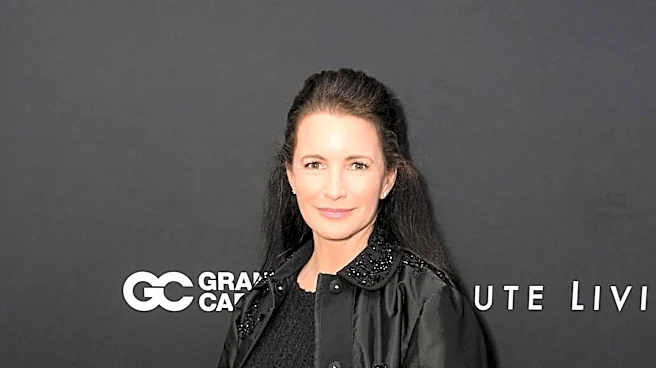
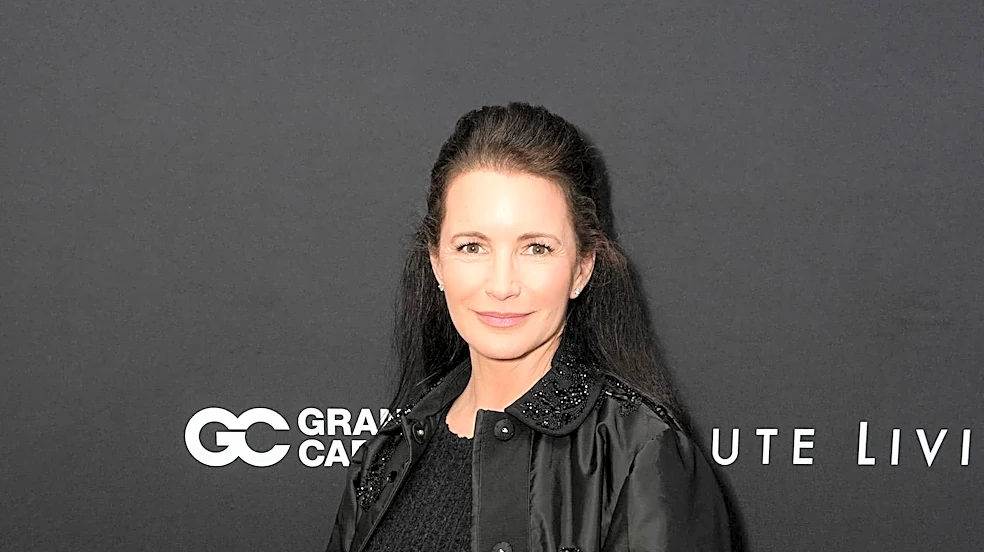
Actress Kristin Davis has revealed her struggles with extreme dieting and body image issues during her time on the television series 'Sex and the City'. In an October 15 episode of her podcast, 'Are You a Charlotte?', Davis, now 61, discussed with co-star
Evan Handler the hurtful comments she received from viewers who called her 'fatter'. She recounted a period in the show's early seasons where she was so thin her ribs were visible. Davis admitted to eating only M&Ms for weeks during a hot summer, a habit she adopted after reading about ballet dancers who smoked cigarettes and ate candy bars. Despite not smoking, she mimicked the eating pattern, which she recognized as unhealthy. An acupuncturist once questioned her diet, to which Davis responded, 'Why not? It's all I eat.' Her co-star, Evan Handler, who played Harry Goldenblatt, also shared similar experiences of strangers commenting on his appearance, telling him he looked 'fatter on the show.'
Why It's Important?
Kristin Davis's revelations highlight the intense public scrutiny and body shaming faced by actors, particularly women, in the entertainment industry. Her experience underscores the pressure to conform to unrealistic beauty standards, which can lead to unhealthy dieting practices. The comments from viewers and the actress's subsequent extreme measures illustrate the detrimental impact of public perception on an individual's mental and physical health. This issue extends beyond Hollywood, influencing societal beauty ideals and contributing to body image issues among the general public. The discussion also sheds light on the often-hidden struggles behind the glamorous facade of celebrity, emphasizing the need for greater awareness and empathy regarding body shaming and disordered eating.
What's Next?
The ongoing discussion initiated by Kristin Davis on her podcast is likely to continue fostering dialogue around body image, celebrity culture, and the pressures within the entertainment industry. Such candid disclosures from public figures often encourage broader conversations about mental health and healthy body perceptions. It may prompt more celebrities to share their experiences, further destigmatizing these issues. For the public, it serves as a reminder of the unrealistic standards often portrayed in media and the importance of critical engagement with such content. The conversation could also influence how media outlets and fans discuss celebrity appearances, potentially shifting towards more respectful and less critical commentary.
Beyond the Headlines
Davis's account delves into the deeper psychological and cultural implications of body shaming. Her adoption of an unhealthy diet, influenced by a perceived ideal, reflects a broader societal issue where individuals, particularly women, are conditioned to believe their worth is tied to their physical appearance. The pressure from costume designers, as mentioned in the source, further illustrates how industry standards can inadvertently contribute to these struggles. This situation highlights the ethical responsibility of media and entertainment to promote diverse and healthy body representations. It also brings to the forefront the long-term psychological toll of constant public judgment, which can persist even after the immediate pressures of a role or show have passed, impacting an individual's self-perception and well-being for years.