

What's Happening?
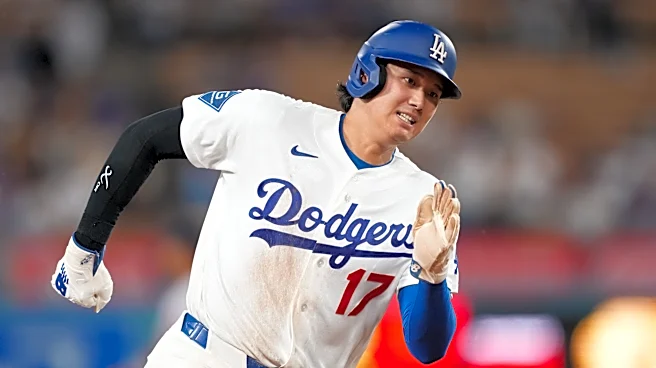
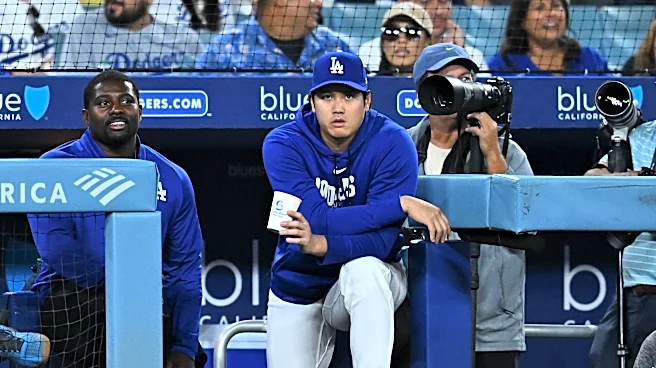
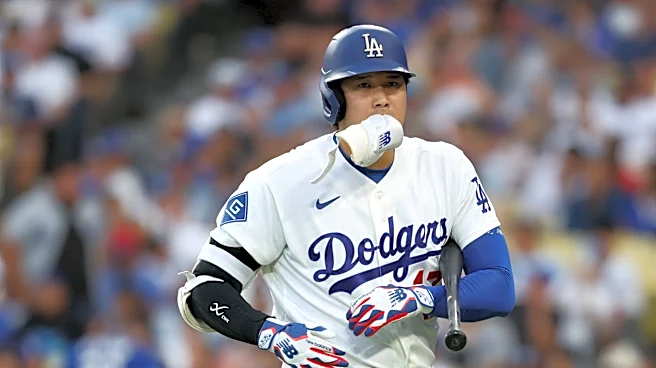
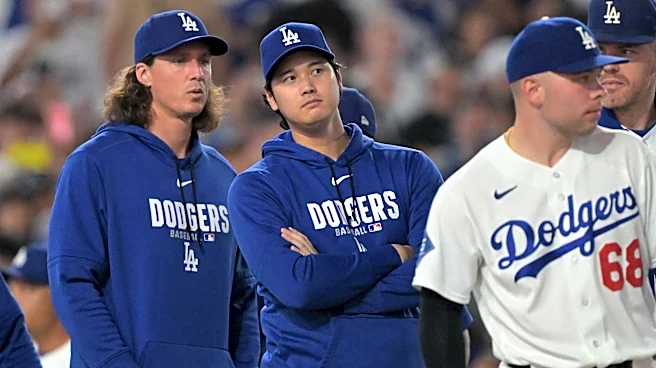
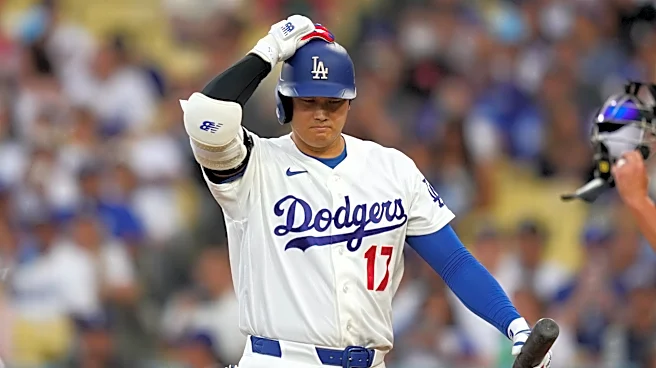
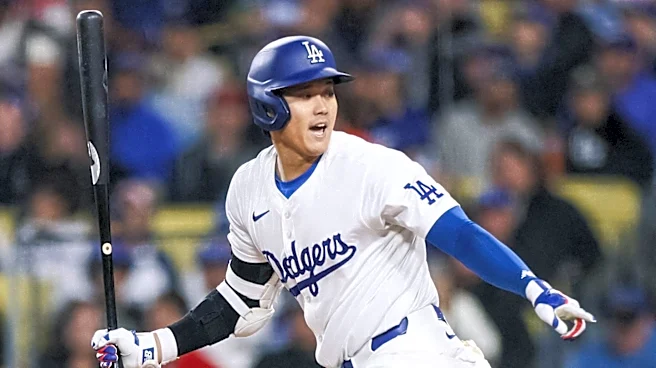
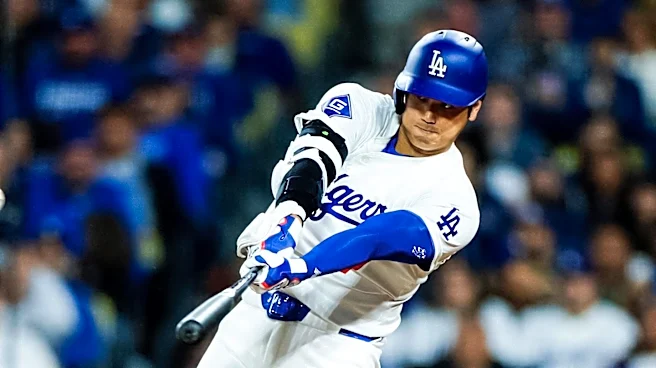
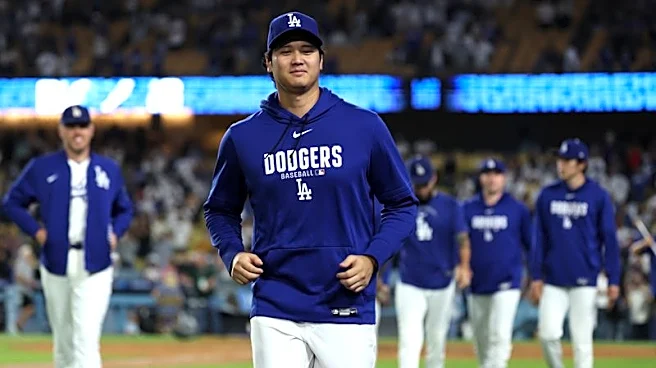
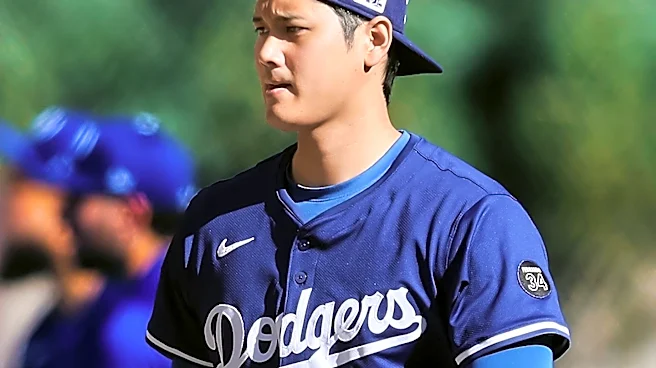
Shohei Ohtani, the Los Angeles Dodgers' designated hitter, is set to return to the starting lineup on Monday against the Cincinnati Reds, following a four-game absence. His recent respite was due to ongoing soreness in his left knee and right biceps,
issues that have affected him since before the All-Star break. Ohtani had a challenging performance last Wednesday, striking out four times against the St. Louis Cardinals, which preceded his longest break from play since missing the final month of the 2022 season with an elbow injury while with the Los Angeles Angels. Manager Dave Roberts confirmed Ohtani's progress, stating that Saturday was a good day for him, and he felt well after hitting in the indoor batting cage. Ohtani's knee soreness has particularly impacted his pitching, preventing him from taking the mound since July 3. The Dodgers are optimistic about his return to hitting, though his chances of pitching again this season are considered slim. Currently, Ohtani is batting .279 with 30 home runs and 80 RBIs in 129 games, marking his sixth consecutive season with at least 30 homers.
Why It's Important?
Ohtani's return to the Dodgers' lineup is significant for the team as they approach the playoffs, despite his recent struggles and ongoing injury concerns. His ability to contribute offensively, even if limited to hitting, is crucial for the team's performance. The decision to keep him off the injured list and manage his recovery reflects the Dodgers' strategy to maximize his availability for the postseason. His offensive production, characterized by 30 home runs and 80 RBIs, remains a vital component of their lineup. The focus on his hitting rather than pitching underscores the team's prioritization of his immediate impact, acknowledging the long-term implications of his knee and biceps issues. This situation highlights the delicate balance professional sports teams face in managing star players' health, especially those with dual roles like Ohtani, to ensure both short-term success and long-term career viability. The team's cautious optimism suggests they believe his presence, even if not at 100%, is more beneficial than a prolonged absence.
What's Next?
The immediate next step for Shohei Ohtani is his planned return to the Dodgers' starting lineup on Monday against the Cincinnati Reds. Manager Dave Roberts indicated that Ohtani would go through his work on Sunday and, assuming no setbacks, would be in the lineup. The team will closely monitor his left knee and right biceps soreness, which have reportedly improved with the extended rest. While Ohtani is expected to resume his role as designated hitter, the likelihood of him pitching again this season is minimal, given the calendar and his recent lack of throwing activity. The Dodgers' strategy will likely involve carefully managing his workload to ensure he remains available and effective for the remainder of the regular season and into the playoffs. His performance in the coming games will be critical in determining his full capacity and the team's offensive strength as they head into the postseason.
Beyond the Headlines
Ohtani's ongoing injury management and the Dodgers' approach to his recovery highlight a broader trend in professional sports regarding the handling of multi-talented athletes. The decision to prioritize his hitting over pitching for the remainder of the season, despite his impressive pitching statistics (8-2 with a 1.79 ERA in 14 starts), reflects a strategic calculation of risk versus reward. This situation could influence future contract negotiations and team strategies for players who excel in multiple demanding roles. It also raises questions about the long-term sustainability of a two-way player's career, especially given the physical toll of both pitching and hitting at an elite level. The Dodgers' careful management of Ohtani's health could set a precedent for how other teams handle similar situations, emphasizing player welfare and strategic deployment to maximize impact while mitigating injury risks. The ethical dimension involves balancing the player's desire to perform both roles with the team's need for a healthy, productive asset.