



What's Happening?
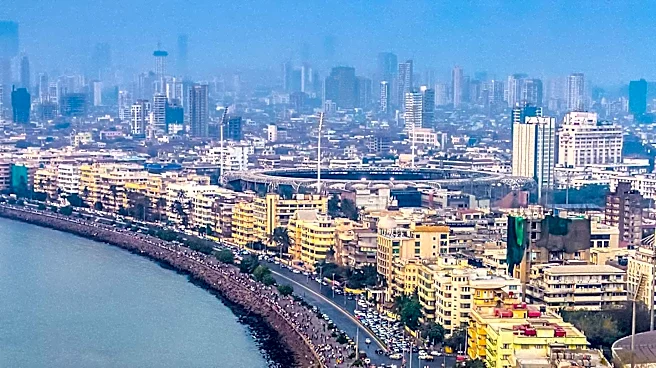
India's Meetings, Incentives, Conferences, and Exhibitions (MICE) industry is undergoing a significant transformation, moving its focus from traditional metropolitan centers to emerging Tier II and Tier III cities. This shift is driven by the broader
geographical diversification of India's economy over the past decade. Manufacturing, technology, pharmaceutical, textile, engineering, and automotive clusters have expanded beyond major cities like Delhi, Mumbai, Bengaluru, Hyderabad, and Chennai. Improved connectivity through new airports and expressways, along with expanding hospitality infrastructure and aggressive competition among state governments for investment, talent, and tourism, are facilitating this change. Corporate India's address is changing, with dynamic enterprises now based in regional manufacturing hubs and emerging technology centers, leading to a decentralization of MICE opportunities. The industry is recognizing that business events follow business growth, and as investment and industries move to new regions, so do conferences, dealer meets, product launches, training programs, and incentive travel.
Why It's Important?
This geographical shift in India's MICE industry signifies a deeper economic transformation within the country, moving away from a metro-centric model to a more distributed economic landscape. For U.S. businesses and investors, this presents new opportunities and challenges. Companies looking to engage with the Indian market will need to adapt their strategies to target these emerging regional hubs, which are becoming significant economic forces. The expansion of MICE activities into Tier II and III cities indicates growing local economies and a rising middle class with increased purchasing power and business needs. This could lead to new market entry points for U.S. companies in sectors like hospitality, event management, and related services. Furthermore, the emphasis on developing MICE ecosystems that reflect local industrial strengths, rather than simply replicating metropolitan models, suggests a more sustainable and integrated approach to regional economic development. U.S. firms involved in infrastructure development, such as transportation and logistics, could also find opportunities as these cities enhance their capabilities to support increased business travel and events.
What's Next?
The Indian MICE industry is expected to continue its decentralization, with further growth in Tier II and III cities. This will likely lead to continued investment in infrastructure, including convention centers, hotels, and transportation networks, in these emerging locations. Stakeholders, including event organizers, hotel chains, and destination management companies, will need to adjust their strategies to cater to the specific needs and economic identities of these regional markets. The focus will be on building MICE ecosystems that align with local industrial strengths, such as pharmaceutical hubs attracting healthcare congresses or engineering centers drawing manufacturing exhibitions. While immediate agreements from such shifts may not be apparent, significant investments are anticipated to materialize over the next 12 to 18 months. This ongoing evolution will require continuous adaptation from both domestic and international players to capitalize on the new opportunities presented by India's diversifying economic geography.
Beyond the Headlines
The decentralization of India's MICE industry reflects a broader global trend of economic growth spreading beyond traditional urban centers, driven by improved connectivity and regional development initiatives. This shift has significant implications for how international businesses, including those from the U.S., approach market entry and expansion in large, diverse economies. It highlights the importance of understanding local nuances and regional economic strengths rather than applying a one-size-fits-all approach. Ethically, this development could lead to more equitable distribution of economic benefits and job creation across India, potentially reducing urban-rural disparities. Culturally, it may foster the development of unique regional identities within the MICE sector, moving beyond the generic offerings of major cities. For U.S. companies, this means a need for more localized market research, partnership development with regional entities, and a flexible business model to succeed in these diverse and rapidly evolving markets. The long-term shift could redefine global business engagement strategies, emphasizing regional specialization and localized value creation.