






What's Happening?
In 2023, the U.S. Department of Agriculture (USDA) granted approval for the sale of lab-grown chicken products from Upside Foods and Good Meat, a subsidiary of Eat Just. This landmark decision allows facilities producing these cultivated meat products to
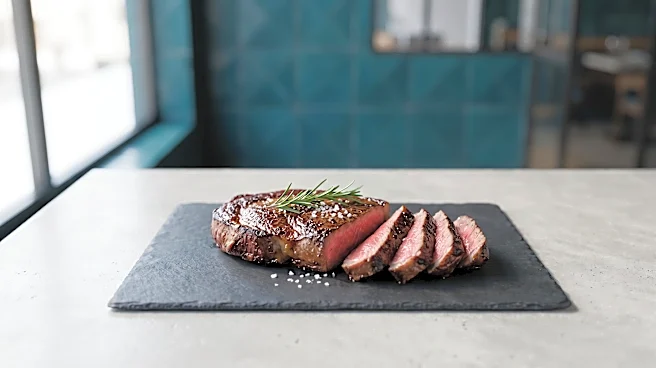
undergo USDA inspection, aligning them with conventional meat processing facilities. Both companies have initiated distribution through restaurant partnerships; Upside Foods collaborated with Bar Crenn in San Francisco, while Good Meat introduced its products via a restaurant in Washington, D.C., associated with chef José Andrés. This development signifies a crucial step for the U.S. cultured meat industry, demonstrating progress in regulatory approval, commercial production, and consumer access. The cultured meat market is characterized as an emerging and highly innovation-driven sector, with companies actively investing in cell cultivation technologies, production processes, product development, and commercialization strategies.
Why It's Important?
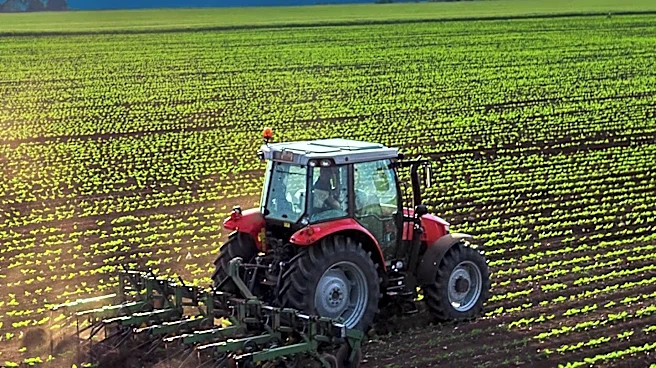
This USDA approval is a pivotal moment for the U.S. food industry and the broader agricultural landscape. It validates the safety and regulatory pathway for cultivated meat, potentially paving the way for a new category of food products. For consumers, it introduces an alternative protein source that could address concerns related to environmental impact, animal welfare, and food security associated with traditional livestock farming. The U.S. is anticipated to lead the cultured meat market, fostering innovation and investment in this sector. Companies like Upside Foods are at the forefront of developing scalable and cost-effective production methods, which could eventually reduce the environmental footprint of meat production, including land and water usage, and greenhouse gas emissions. This development also signals a shift in how meat is produced and consumed, with potential long-term implications for global food systems and supply chains.
What's Next?
Following the USDA approval, Upside Foods and Good Meat are expected to continue expanding their distribution channels beyond initial restaurant partnerships, potentially moving towards broader commercial availability. The industry will likely focus on improving production efficiency and product quality to make cultivated meat more competitive in terms of cost, taste, and texture compared to conventional meat. Continued investment in research and development will be crucial for addressing challenges related to large-scale manufacturing and consumer acceptance. Regulatory clarity will remain a significant factor as these products seek to enter new markets and gain wider adoption. The success of these initial ventures will likely influence further regulatory decisions and investment in the cultivated meat sector, potentially accelerating its growth and integration into the mainstream food supply.
Beyond the Headlines
The emergence of cultivated meat, sanctioned by regulatory bodies like the USDA, raises profound questions about the future of food and its ethical, environmental, and economic dimensions. This technology could fundamentally alter the agricultural industry, potentially reducing reliance on traditional livestock farming and mitigating its associated environmental pressures. However, it also presents challenges, such as consumer perception and acceptance of 'lab-grown' products, the need for robust regulatory oversight to ensure safety and quality, and the economic impact on conventional meat producers. The long-term implications include potential shifts in dietary habits, the development of new supply chains, and the redefinition of what constitutes 'meat.' This innovation could also spark debates about food sovereignty, technological ethics, and the role of science in addressing global food challenges, pushing society to reconsider its relationship with food production.