





What's Happening?
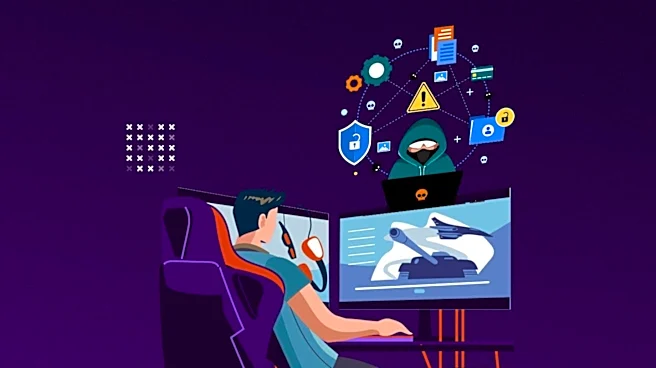
Apollo Global Management, a prominent private equity firm, has confirmed a data breach where hackers stole personal information from its cloud systems. The breach occurred between July 6 and July 10, with hackers gaining access through a social engineering
attack. The stolen data includes names, birth dates, contact information (including home addresses), and Social Security numbers. This incident is part of a larger hacking campaign targeting financial and private equity firms, which security researchers at Google had previously warned about. Other firms reportedly targeted in this widespread extortion campaign include Blackstone, Bridgewater, and Bain Capital. The hackers, known by various names such as Falcon, Helix, Pink, and Redact, typically use social engineering to trick employees into revealing login credentials.
Why It's Important?
The data breach at Apollo Global Management, one of the world's largest private equity firms with $938 billion in assets, highlights the severe cybersecurity vulnerabilities facing the U.S. financial sector. The theft of sensitive personal information, including Social Security numbers, poses significant risks of identity theft and financial fraud for those affected. This incident, part of a broader campaign targeting multiple financial giants, underscores the sophisticated and persistent nature of cyber threats. The reliance on social engineering attacks by hackers indicates a critical need for enhanced employee training and robust multi-factor authentication protocols across the industry. Such breaches can erode public trust in financial institutions, lead to substantial financial losses, and necessitate costly remediation efforts, impacting the stability and security of the U.S. financial system.
What's Next?
Apollo Global Management has confirmed the breach and filed a letter with California’s attorney general, indicating that affected individuals will likely be notified. The firm will need to implement enhanced security measures to prevent future attacks and address the vulnerabilities exploited by the social engineering tactics. Other financial and private equity firms, including those previously targeted like Blackstone, Bridgewater, and Bain Capital, are expected to review and strengthen their cybersecurity defenses in response to this widespread hacking campaign. Regulatory bodies may also increase scrutiny on the cybersecurity practices of financial institutions, potentially leading to new compliance requirements. The ongoing threat of these hacking groups, who often extort companies for ransom, means that vigilance and continuous adaptation of security strategies will be paramount for protecting sensitive financial data.
Beyond the Headlines
This series of cyberattacks on major financial institutions, including Apollo, reveals a critical weakness in the human element of cybersecurity. Social engineering, which manipulates individuals into divulging confidential information, remains a highly effective method for breaching even the most secure systems. This highlights the need for a cultural shift within organizations, where cybersecurity is not just a technical issue but a fundamental aspect of employee training and awareness. The potential for hackers to publish stolen data if ransoms are not paid also raises ethical dilemmas for companies, balancing the cost of payment against the reputational damage and harm to individuals. Furthermore, the interconnectedness of the financial system means that a breach in one firm can have ripple effects, potentially compromising partners and clients, underscoring the systemic risk posed by these sophisticated cyber threats.