
What's Happening?
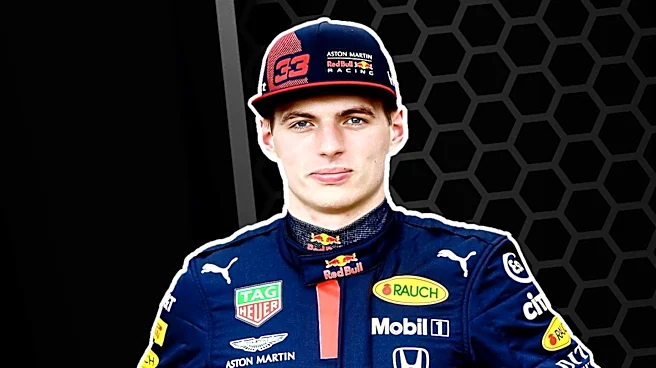
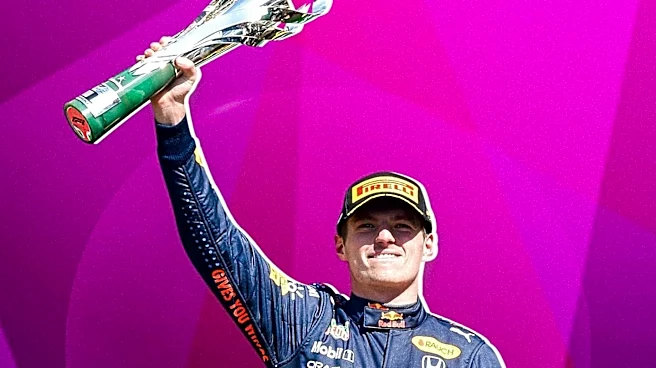
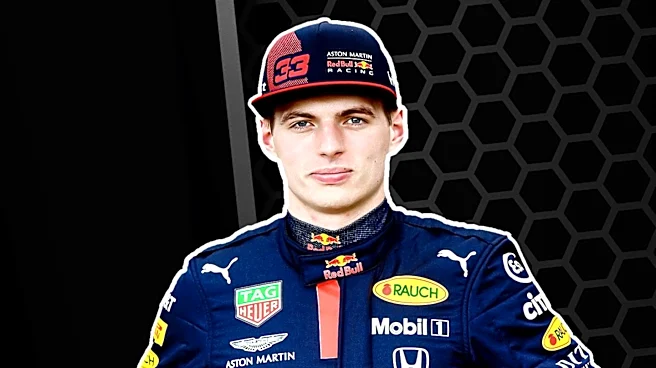
A recent analysis of Formula 1 driver salaries for the 2026 season reveals a wide range of earnings, from rookies making $500,000 to top drivers earning over $75 million. The highest-paid driver, Max Verstappen, is estimated to earn $76 million, while
rookies like Arvid Lindblad earn between $500,000 and $1 million. The analysis highlights the disparity in earnings based on experience and performance, with established drivers commanding significantly higher salaries.
Why It's Important?
The disparity in driver salaries underscores the competitive and hierarchical nature of Formula 1, where experience and performance are highly valued. High salaries for top drivers reflect their market value and the significant role they play in a team's success. The financial dynamics of driver contracts, including bonuses and personal sponsorships, also highlight the complex economic landscape of the sport. Understanding these dynamics is crucial for teams and drivers as they negotiate contracts and plan their careers.
Beyond the Headlines
The exclusion of driver salaries from Formula 1's cost cap highlights the unique financial considerations in the sport. This exclusion allows teams to invest heavily in top talent without affecting their budget for car development. The structure of driver contracts, with a focus on performance bonuses, aligns the interests of drivers and teams, incentivizing high performance. The financial landscape of Formula 1 continues to evolve, with driver salaries playing a key role in the sport's economic ecosystem.