




What's Happening?
Maxell is developing high-temperature solid-state batteries to power next-generation downhole tools, addressing the limitations of traditional primary lithium cells in extreme environments. Current lithium thionyl chloride (ER) primary cells, while industry
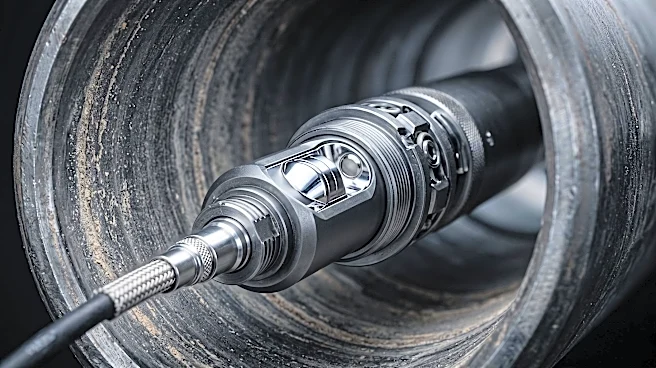
workhorses, pose handling and safety challenges due to their liquid electrolyte. Maxell's solid-state batteries offer improved safety, miniaturization, and rechargeability, making them suitable for wells exceeding 150°C and applications requiring longer deployments and increased functionality. The company's expertise, derived from producing heat-resistant coin lithium batteries for automotive tire-pressure monitoring sensors, is being applied to develop Ah-class rechargeable all-solid-state cells capable of charging and discharging at 150°C. This advancement is crucial for digitalized and automated downhole tools that transmit, decide, and act, such as wireless telemetry, intelligent completions, and advanced drilling tools.
Why It's Important?
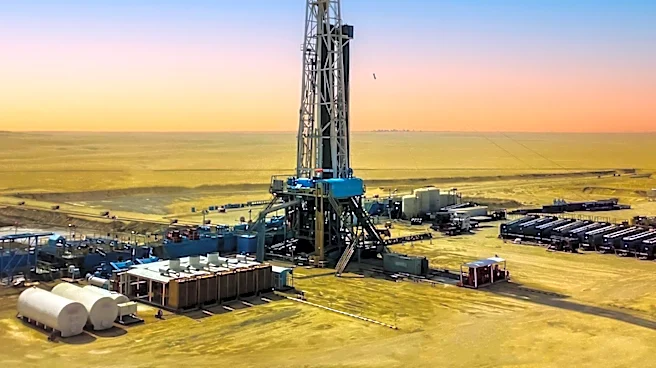
The development of high-temperature solid-state batteries by Maxell is critical for the U.S. oil and gas industry, particularly for drilling and exploration in deeper, hotter, and more complex wells. Current battery limitations hinder the performance and reliability of advanced downhole tools, leading to increased intervention costs and reduced operational efficiency. Maxell's technology promises to enhance the safety of downhole operations by eliminating flammable liquid electrolytes and providing more contained failure modes. The rechargeability of these solid-state batteries also opens the door to energy harvesting within the tool, potentially enabling self-sustaining systems and significantly extending deployment times. This innovation can lead to more reliable data acquisition, improved decision-making, and ultimately, more efficient and cost-effective oil and gas extraction, benefiting U.S. energy security and technological leadership in the sector.
What's Next?
Maxell is actively developing Ah-class rechargeable all-solid-state cells for high-temperature applications like downhole tools, building on its existing PSB401010H and PSB401515H models. The company's research extends beyond battery chemistry to focus on technologies that enable effective use of these cells in harsh environments, including battery health monitoring, optimized charging strategies, and thermal management. Initial adoption is expected in applications where reliability and service life are paramount, such as backup power, data retention, and remote monitoring devices. Broader deployment may follow in intelligent completion systems and autonomous monitoring platforms. The long-term vision includes autonomous downhole systems that operate with minimal intervention, leveraging rechargeable solid-state batteries, health monitoring, and energy harvesting to improve operational efficiency and reduce lifecycle costs.
Beyond the Headlines
The shift towards solid-state batteries in extreme environments like downhole drilling represents a significant technological leap with broader implications. It highlights the increasing demand for robust and reliable power solutions in critical infrastructure and industrial applications. The emphasis on safety, miniaturization, and rechargeability reflects a growing trend towards more sustainable and efficient energy storage solutions across various sectors. This development could also influence other industries facing similar high-temperature or harsh operating conditions, such as aerospace, defense, and geothermal energy. The ability to turn energy storage into system reliability, rather than just focusing on capacity, signifies a more holistic approach to engineering, where the battery is integrated as a smart component within a larger intelligent system. This paradigm shift will likely drive further innovation in materials science, power electronics, and system-level optimization.