



What's Happening?
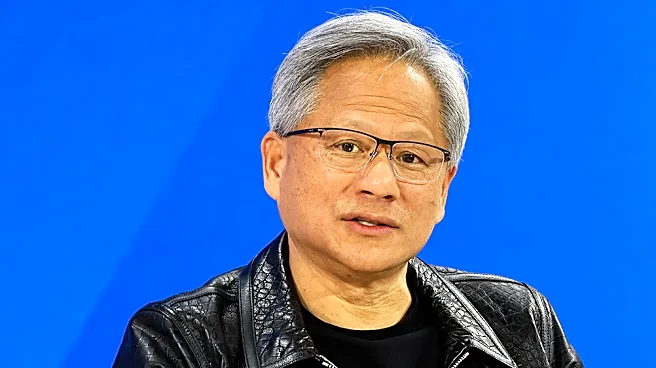
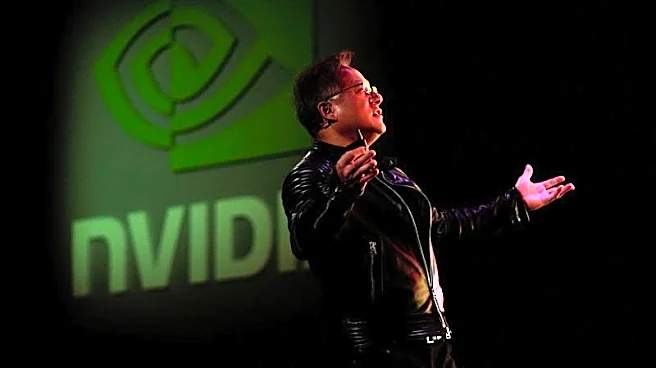
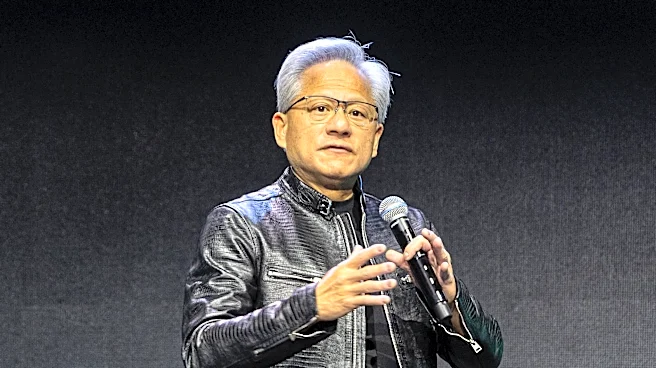
Jensen Huang, CEO of Nvidia, was reinstated by the company's board on November 23, 2026, just 11 days after his resignation. Huang had initially stepped down on November 12, following reports of alleged extramarital affairs with a woman suspected of having
ties to Chinese intelligence services. Colette Kress, Nvidia's CFO, temporarily assumed leadership during Huang's absence. The board, which initially dismissed his return, reconsidered its decision after meetings with Huang and receiving information from U.S. government officials. According to the company, the directors were satisfied with Huang's transparency and concluded that his reincorporation posed no national security risk. Huang co-founded Nvidia in 1993 with Chris Malachowsky and Curtis Priem.
Why It's Important?
The swift reinstatement of Jensen Huang as Nvidia's CEO underscores the critical role of leadership stability and national security considerations in the technology sector, particularly for companies vital to artificial intelligence infrastructure. Nvidia's chips are fundamental to AI computing, making its leadership and operational integrity a matter of significant economic and strategic importance for the U.S. The initial concerns about Huang's alleged ties to Chinese intelligence highlight the increasing scrutiny on corporate executives, especially those leading companies with sensitive technological assets, amidst geopolitical tensions. His return, approved after government consultation, suggests a prioritization of business continuity and technological advancement, while also indicating a robust vetting process for key industry leaders. This event could influence how other U.S. tech companies manage executive conduct and potential foreign influence risks.
What's Next?
Following Jensen Huang's reinstatement, Nvidia is expected to continue its focus on its core business of developing and supplying chips for artificial intelligence. The company will likely work to reassure investors and stakeholders about its leadership stability and commitment to national security protocols. This incident may prompt a review of executive vetting processes within other major U.S. technology firms, particularly those involved in critical infrastructure or sensitive technologies. The involvement of U.S. government officials in the decision-making process suggests a continued, perhaps heightened, level of oversight on key tech industry leaders, especially concerning potential foreign influence or security risks. Nvidia's performance and strategic direction under Huang's renewed leadership will be closely watched by the market and government entities.
Beyond the Headlines
The rapid departure and return of Jensen Huang illuminate the complex interplay between corporate governance, personal conduct, and national security in the modern era. The allegations of extramarital affairs linked to foreign intelligence underscore a growing concern about non-traditional vectors of espionage and influence within the private sector. This incident highlights the ethical dilemmas faced by boards when balancing executive talent with potential security risks, especially in industries critical to national interests like AI. It also raises questions about the extent of government involvement in private corporate leadership decisions when national security is perceived to be at stake. The resolution, emphasizing transparency and a lack of national security risk, sets a precedent for how similar situations might be handled in the future, potentially leading to more stringent background checks and ethical guidelines for executives in sensitive industries.