
What's Happening?
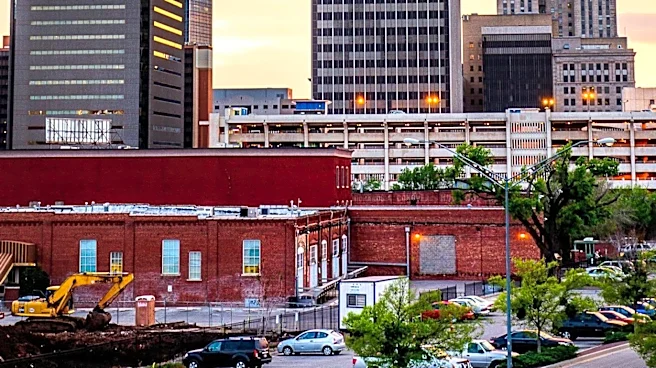
Greensboro is moving forward with plans to construct approximately 270 new apartments at the site of the former Sears store. This development is part of a broader trend of urban revitalization and increased housing options within the city. The project
aims to repurpose a large, previously retail-focused area into residential units, contributing to the evolving landscape of Greensboro's commercial and residential zones. The initiative reflects a strategic effort to address housing needs and redevelop underutilized commercial properties. The specific details regarding the architectural design, amenities, and timeline for construction are expected to be finalized as the project progresses through the city's planning and approval processes. This move is anticipated to bring new residents and economic activity to the area, transforming a vacant retail space into a vibrant living community.
Why It's Important?
This development is important for Greensboro as it signifies a shift in urban planning and land use, moving away from traditional retail-centric models towards mixed-use developments that integrate residential components. The creation of 270 new apartments will help address the growing demand for housing in the city, potentially easing pressure on the existing housing market and offering more diverse living options for residents. Economically, the project is expected to generate construction jobs and, once completed, contribute to the local tax base through property taxes and increased consumer spending by new residents. This type of redevelopment can also revitalize surrounding businesses and public spaces, fostering a more dynamic urban environment. The repurposing of a large, vacant commercial site like the former Sears store is a strategic move to maximize urban land use and promote sustainable growth within Greensboro.
What's Next?
Following the approval, the next steps will involve detailed architectural and engineering planning, securing necessary permits, and potentially engaging in further community consultations. Construction is expected to commence once all regulatory requirements are met and financing is secured. The development will likely proceed in phases, with initial site preparation followed by the vertical construction of the apartment buildings. Local businesses and residents in the vicinity can anticipate increased activity during the construction period. The city will also monitor the project's progress to ensure compliance with zoning regulations and urban development plans. The successful completion of this project could serve as a model for future redevelopments of similar underutilized commercial properties in Greensboro and other urban centers.
Beyond the Headlines
Beyond the immediate impact of new housing, this project reflects a broader societal trend of adapting urban spaces to changing economic and demographic needs. The decline of traditional retail, exemplified by the closure of large department stores like Sears, has left many cities with significant commercial vacancies. Repurposing these sites into residential or mixed-use developments is a creative solution that addresses housing shortages, promotes walkability, and reduces urban sprawl. This shift can also foster a stronger sense of community by bringing more people into urban centers, supporting local businesses, and encouraging the development of public amenities. The ethical implications include ensuring equitable access to new housing and managing the potential for gentrification, while the cultural dimension involves redefining the identity of urban areas from commercial hubs to integrated living and working environments.