










What's Happening?
Annabel Karmel, a renowned children's food expert, emphasizes the importance of incorporating fiber-rich, plant-based foods into infants' diets to promote gut health. Karmel, who has been a leading figure in children's nutrition for over three decades,
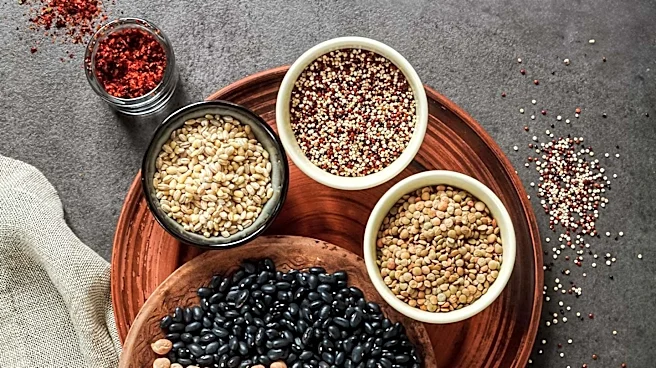
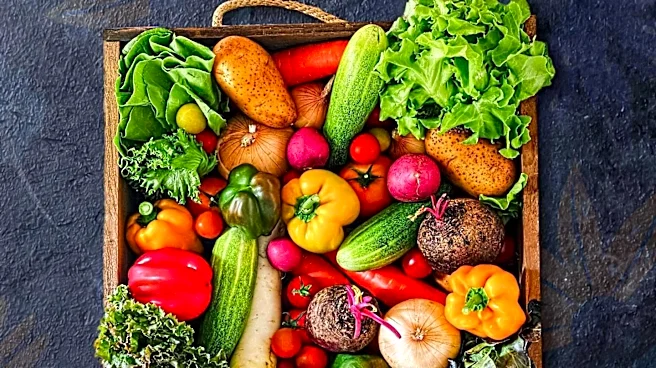
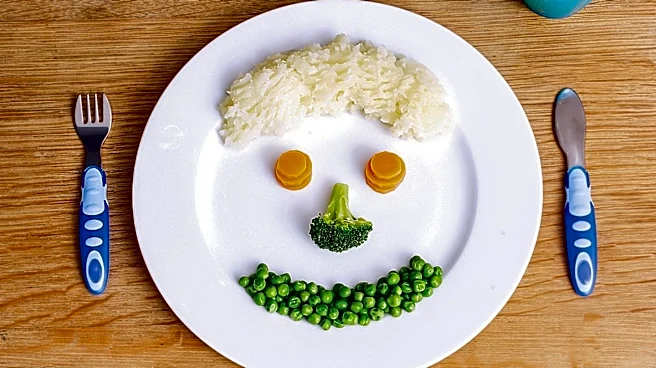
suggests that parents should focus on natural foods like live yoghurts, oats, sweet potatoes, broccoli, and lentils instead of expensive supplements. She highlights the significance of introducing common allergens early, around six months, to reduce the risk of allergies. Karmel also addresses the pressures modern parents face, noting that the abundance of advice and comparison culture can heighten stress. She reassures parents that it's normal for children to be picky eaters and encourages them to offer foods in various ways without turning mealtimes into a battle.
Why It's Important?
Karmel's advice is crucial as it aligns with current nutritional guidelines that emphasize the early introduction of diverse foods to support a healthy gut microbiome in infants. This approach can potentially reduce the risk of allergies and promote better long-term health outcomes. Her focus on natural, fiber-rich foods over supplements is significant in an era where parents are often overwhelmed by commercial dietary products. By advocating for a balanced and varied diet, Karmel provides a practical and cost-effective strategy for parents, which can alleviate some of the pressures associated with feeding young children. Her insights also highlight the broader societal issue of parental guilt and the unrealistic expectations set by social media and modern parenting norms.
What's Next?
Parents may begin to adopt Karmel's recommendations by gradually introducing a variety of fiber-rich foods into their children's diets. This could lead to a shift in consumer behavior, with a potential decrease in the reliance on dietary supplements for infants. Additionally, as more parents embrace these practices, there may be increased demand for educational resources and support systems that align with Karmel's approach. Health professionals and pediatricians might also play a role in reinforcing these dietary guidelines during consultations with new parents, further promoting the benefits of a natural, balanced diet for infants.
Beyond the Headlines
Karmel's approach underscores a cultural shift towards more holistic and less commercialized parenting practices. By focusing on natural foods and reducing dependency on supplements, her advice challenges the prevailing consumer culture that often prioritizes convenience over nutrition. This perspective may encourage a broader reevaluation of how society approaches child nutrition and health, potentially influencing future dietary guidelines and public health policies. Furthermore, her emphasis on reducing parental guilt and stress highlights the need for more supportive and realistic parenting narratives in media and public discourse.