





What's Happening?
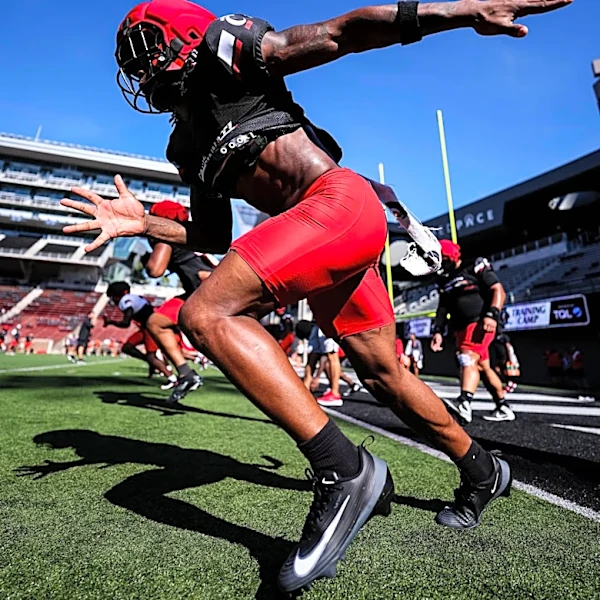
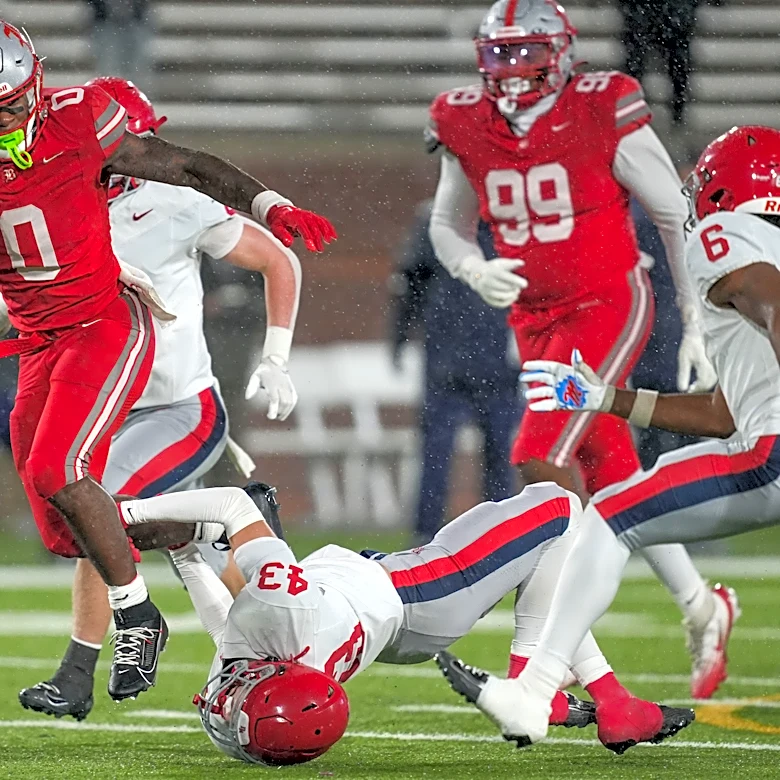
A coalition of doctors and scientists has formally petitioned the Big 12 Conference and the NCAA to suspend a new sponsorship agreement with Monster Energy. The deal, reportedly valued at approximately $20 million annually, involves prominent branding
of Monster Energy on player uniforms, football fields, and basketball courts. The group's primary concern is the potential health risks energy drinks pose to children and adolescents, citing the Big 12's extensive viewership among younger demographics. John Higgins, a sports cardiologist with the Houston Rockets and Rice Athletics, emphasized that Big 12 games reach 10-18 million viewers weekly, with significant exposure to young fans. The petition requests a pause on all youth-facing activations of the sponsorship, an independent health review involving pediatric and cardiovascular medicine experts, and a discussion of the matter by the Big 12 board before the branding becomes fully integrated. The group has sent letters to both the Big 12 and NCAA leadership but has not yet received a response. The Big 12, in a statement to USA TODAY Sports, noted that energy drink partnerships are not new to collegiate athletics, while Monster Energy asserted the safety of its products, highlighting that they contain about half the caffeine of a similarly sized coffee-house coffee.
Why It's Important?
This petition highlights a growing tension between collegiate sports' pursuit of revenue and public health concerns, particularly regarding the marketing of potentially harmful products to young audiences. The Big 12's $20 million annual deal with Monster Energy underscores the financial incentives driving such partnerships in college athletics, especially as conferences seek to increase revenue. The group of doctors and scientists argues that the widespread exposure of energy drink branding through college sports normalizes these products for children and adolescents, who are more susceptible to their effects. This situation brings to light the absence of age restrictions on energy drink sales in the U.S., contrasting with regulations in countries like Norway, the UK, and Quebec, Canada. The NCAA's own prohibition on schools directly providing energy drinks to athletes due to caffeine being a banned stimulant further complicates the issue, creating a perceived double standard where advertising is permitted but direct provision is not. The outcome of this petition could set a precedent for how collegiate athletic organizations balance commercial interests with their responsibility for the well-being of their audience, particularly minors.
What's Next?
The immediate next steps involve awaiting a formal response from the Big 12 Conference and the NCAA to the petition. The group of doctors and scientists has specifically requested a pause on youth-facing sponsorship activations, an independent health review, and a board discussion before the branding is fully implemented across football and basketball. Should the Big 12 and NCAA decline to act, the group may explore further avenues to raise awareness and pressure for change, potentially involving public campaigns or legislative advocacy, given the lack of age restrictions on energy drinks in the U.S. The NCAA's stance, as communicated to USA TODAY Sports, indicates that its rules and policies are driven by member schools and leagues, suggesting that any policy change would need to originate from within the membership. This implies a potentially lengthy process if the issue is to be addressed through internal governance. The situation could also prompt other athletic conferences or individual universities to re-evaluate their existing or potential partnerships with energy drink companies, especially if public scrutiny intensifies.
Beyond the Headlines
This controversy extends beyond a single sponsorship deal, touching upon broader ethical considerations in collegiate sports marketing and the commercialization of youth-oriented platforms. The debate highlights the power of sports as a marketing vehicle and the potential for unintended consequences when products with health implications are promoted to impressionable audiences. It also raises questions about the responsibility of educational institutions and athletic organizations to protect the health of young people, even as they navigate complex financial landscapes. The differing regulations on energy drink sales globally, compared to the U.S., underscore a significant policy gap that this petition implicitly challenges. Furthermore, the NCAA's historical shift from banning energy drink advertising during championship events to allowing it, driven by financial considerations, reveals the evolving priorities within college athletics. This situation could catalyze a larger discussion about the appropriate boundaries for corporate sponsorships in youth sports and the need for more robust health-focused guidelines in an increasingly commercialized environment.